
The Nigerian government has reportedly made a secret ceasefire deal with the Boko Haram faction led by Bakura Doro. This agreement has helped keep parts of northeastern Nigeria quiet for the last three months, according to a report by The New Humanitarian.
There are about three groups within Jama’atu Ahlis-Sunna Lidda’awati wal-Jihad (JAS), better known as Boko Haram.
PREMIUM TIMES reports that these groups are spread across North-east and North-central Nigeria and are thought to be loyal to Mr Doro. He took over after Abubakar Shekau was killed in 2021 during a fight with the rival group, Islamic State West Africa Province (ISWAP).
Two factions are believed to operate in the North-east under the leadership of Ali Ngulde and Alhai Kale. The third faction, based in North-central, is led by Mallam Sadiku.
Mr Doro is thought to be currently on Lake Chad island, using the weak security in the area to strengthen his position.
Three sources close to senior members of Boko Haram told The New Humanitarian that the ceasefire has been in place since June and is likely to continue. This truce is linked to efforts to free over 300 civilians seized in March from Ngoshe, a community in Gwoza Local Government Area of Borno State.
After around 95 days in captivity, these victims were released thanks to what the government described as an intelligence-led operation by Operation Hadin Kai, a joint task force in the North-east, and the State Security Service (SSS).
However, The New Humanitarian reports that the hostages were freed in June after negotiations involving government officials, intermediaries, and the insurgents. Sources indicated that the agreement included a ransom of N5 billion, which the government has denied.
Samaila Kaigama, a youth leader in Borno, was the first to claim that the government paid ransom to free the Ngoshe captives. In an interview on Channels TV in July, Mr Kaigama said a N5 billion ransom was paid and linked Senator Ali Ndume, who represents Borno South, to the ransom facilitation. The senator denied this claim.
Mr Kaigama has since been arrested by the SSS and brought to court. The SSS claims to have evidence linking him to extorting families of kidnap victims, a claim first made by Mr Ndume while explaining his position on Channels TV.
A recent report by SBM Intelligence also stated that a N5 billion ransom was paid for the Ngoshe captives.
The Nigerian government has always maintained a policy against paying ransoms to terrorist groups. But critics have often accused the government of breaking this policy.
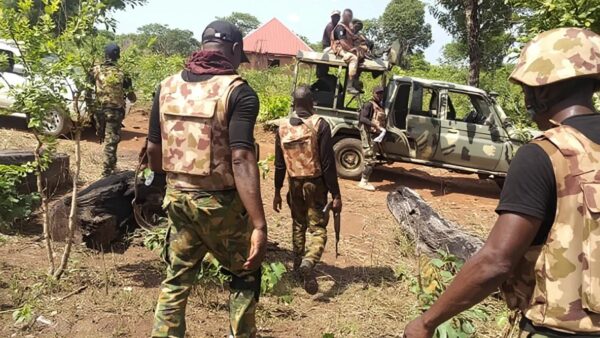
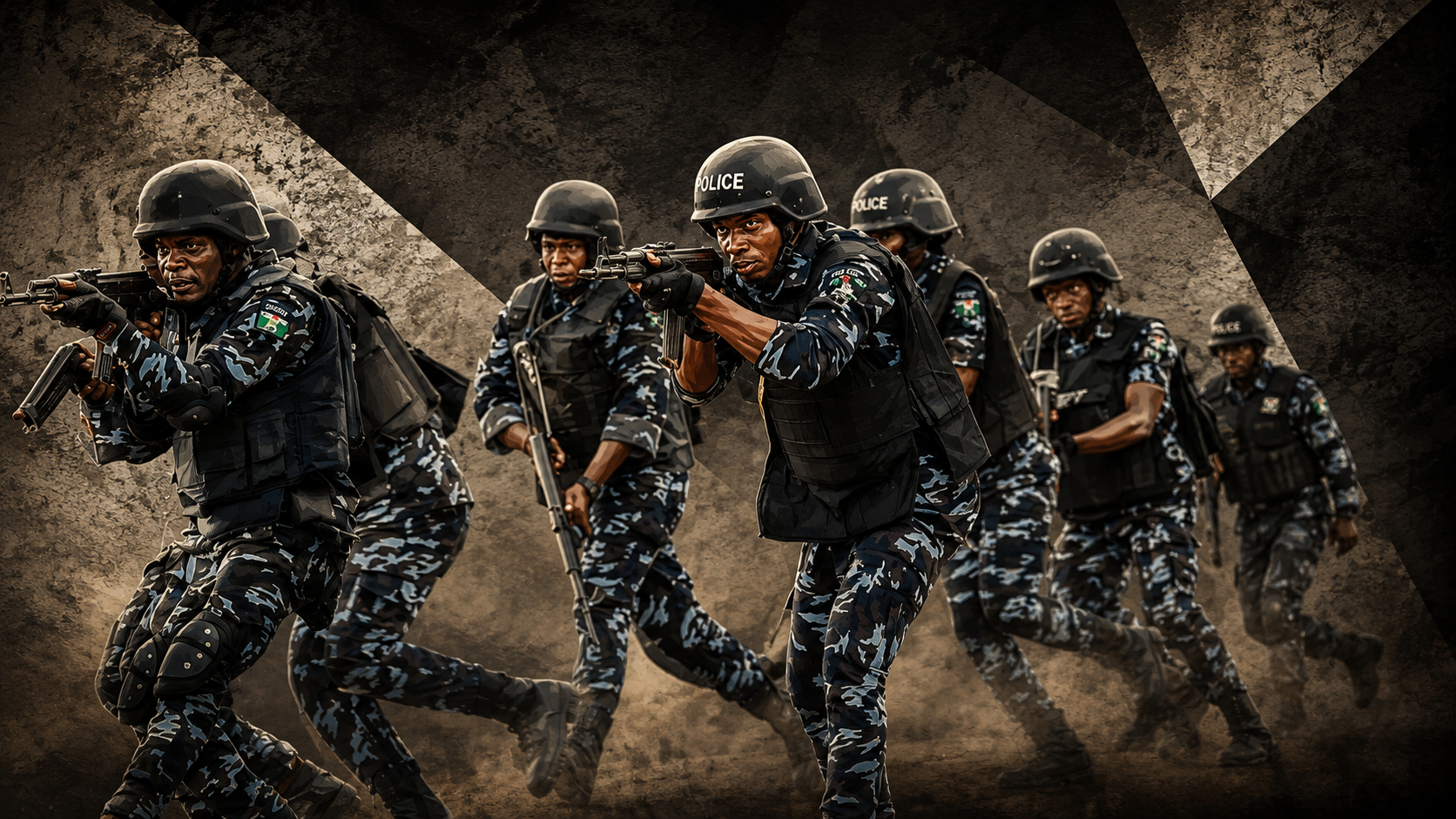
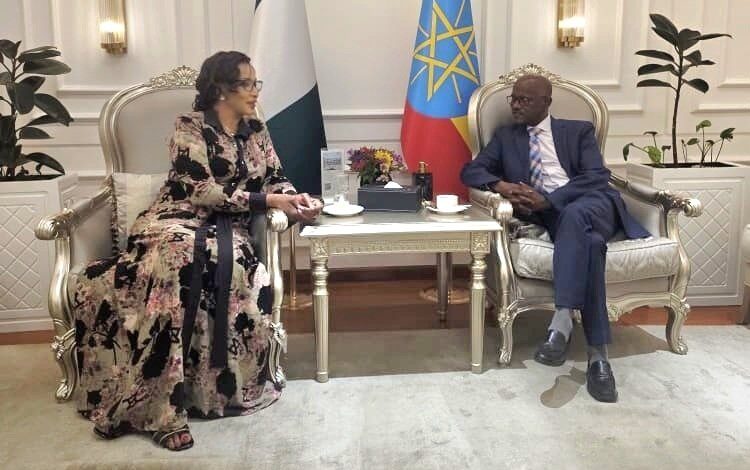
The report from The New Humanitarian said that the ceasefire has led to a drop in attacks from the Bakura Doro faction since June. Humanitarian workers and locals have noticed a rare calm in parts of Borno State.
But, the publication pointed out that the truce does not include the Islamic State West Africa Province (ISWAP), which is still launching attacks on military and civilian targets in the Lake Chad area.
Officials familiar with the talks told the publication that these discussions were motivated by humanitarian needs and the government’s aim to find ways to reduce violence after more than 16 years of insurgency.
The federal government has not publicly confirmed the ceasefire.
When asked, presidential spokesperson Bayo Onanuga replied to PREMIUM TIMES that they should contact the Ministry of Defence or the Office of the National Security Adviser (ONSA).
The spokesperson for Defence Headquarters, Samaila Uba, did not answer calls. A message sent to him has not been answered. A similar message sent to an NSA spokesperson also went unanswered.
Analysts quoted in the publication warned that while temporary truces can help save lives and free hostages, they also risk allowing insurgent groups to regroup unless there are broader peace efforts and accountability measures.
"It could be just a temporary, tactical ceasefire that benefits both sides, but doesn’t really affect the course of the war," Malik Samuel, a conflict researcher at Good Governance Africa (GGA), said.
Mr Samuel doubts that such a truce could lead to lasting peace.
The report called the ceasefire one of the most significant attempts at dialogue between the Nigerian government and Boko Haram in recent years. But it also noted that its long-term success is uncertain given the fragmented nature of the groups in the North-east.



Drop your comment
No comments yet — be the first to drop the gist 👇