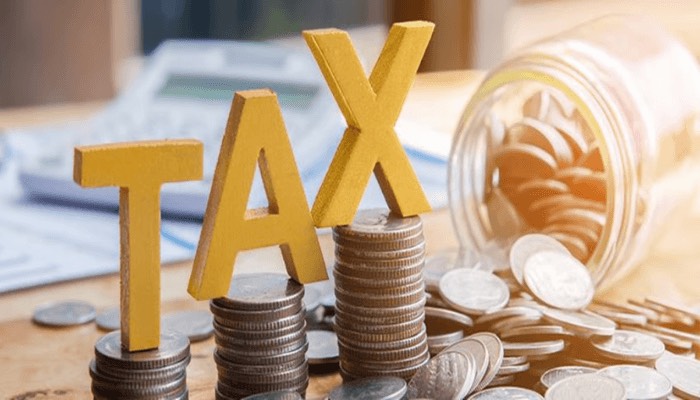
Nigeria saw a 27 percent rise in tax revenue from 23 states in the first half of 2026. This increase follows the government's new tax policy and ongoing efforts to reduce multiple taxation.
Olusegun Adesokan, the Executive Secretary of the Joint Revenue Board (JRB), shared this news on Wednesday in Abuja. He noted that the revenue collected by these states from January to June was higher than what they earned during the same period in 2025.
Adesokan explained that this increase coincided with measures to lower personal income tax for low- and middle-income earners. He argued that the changes aim to boost revenue collection without putting too much pressure on regular Nigerians.
"The vision is to tax prosperity, not poverty. Tax the fruit, not the seed. We should tax returns, not investments," he stated.
The board's figures show that the 23 states generated about N2.2 trillion in the first half of 2026. This is compared to N1.75 trillion in the same period of 2025.
Adesokan attributed this growth to efforts to better tax management, expand the tax base, and ensure those with more money pay their fair share. He mentioned that around 92 percent of income earners in these states now pay lower personal income tax or no tax at all under the new rules.
These figures only cover the 23 states that reported to the board. They do not reflect the tax situation of all 36 states and the Federal Capital Territory.
Adesokan also revealed that 21 states have accepted a model tax law created by the JRB with the help of the Presidential Committee on Fiscal Policy and Tax Reforms. This law aims to tackle multiple taxation issues at the state level, where businesses and individuals often deal with overlapping demands from different government bodies.
This new law combines over 100 taxes, levies, and charges into nine groups. The goal is to make the tax system simpler and easier to follow.
"One of the things it addresses is the issue of multiple taxation at the subnational level, and it’s a major problem," Adesokan said.
"Sometimes, the state government will collect the same thing. So what we have done is we have harmonised all the multiple taxes into just nine."
He emphasized that these reforms are not meant to create new taxes but to simplify the current ones. They aim to improve transparency and make tax collection more consistent across states.
The 21 states that have accepted this new framework include Kebbi, Kaduna, Zamfara, Ekiti, Enugu, Abia, Anambra, Gombe, Adamawa, Yobe, Borno, Niger, Plateau, Benue, Kogi, Kwara, Nasarawa, Akwa Ibom, Bayelsa, Delta, and Ondo. The other 15 states have not yet adopted this model law.
Adesokan said that getting this done requires legislative approval and talks with stakeholders, not just orders from state governors.
He is hopeful that more states will follow suit as the implementation continues. The Nigeria Tax Act 2025, effective from January 1, 2026, brought a new personal income tax structure. It includes an exemption for the first N800,000 of annual taxable income. Higher income brackets will pay higher rates, up to 25 percent on taxable income over N50 million.
Adesokan noted that these changes aim to leave more money for eligible low- and middle-income earners while ensuring the wealthy contribute fairly.
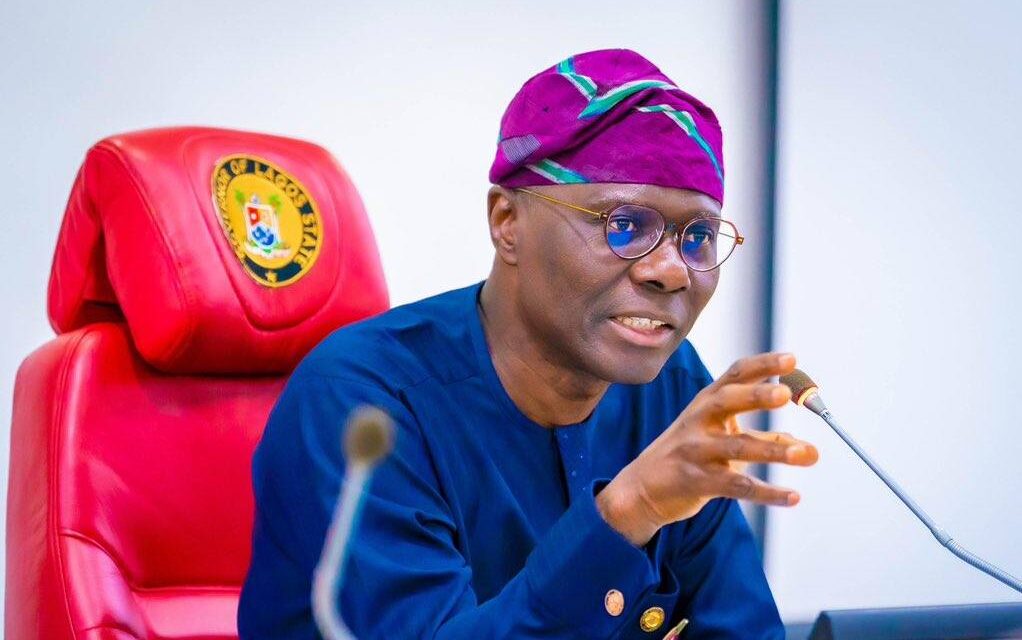
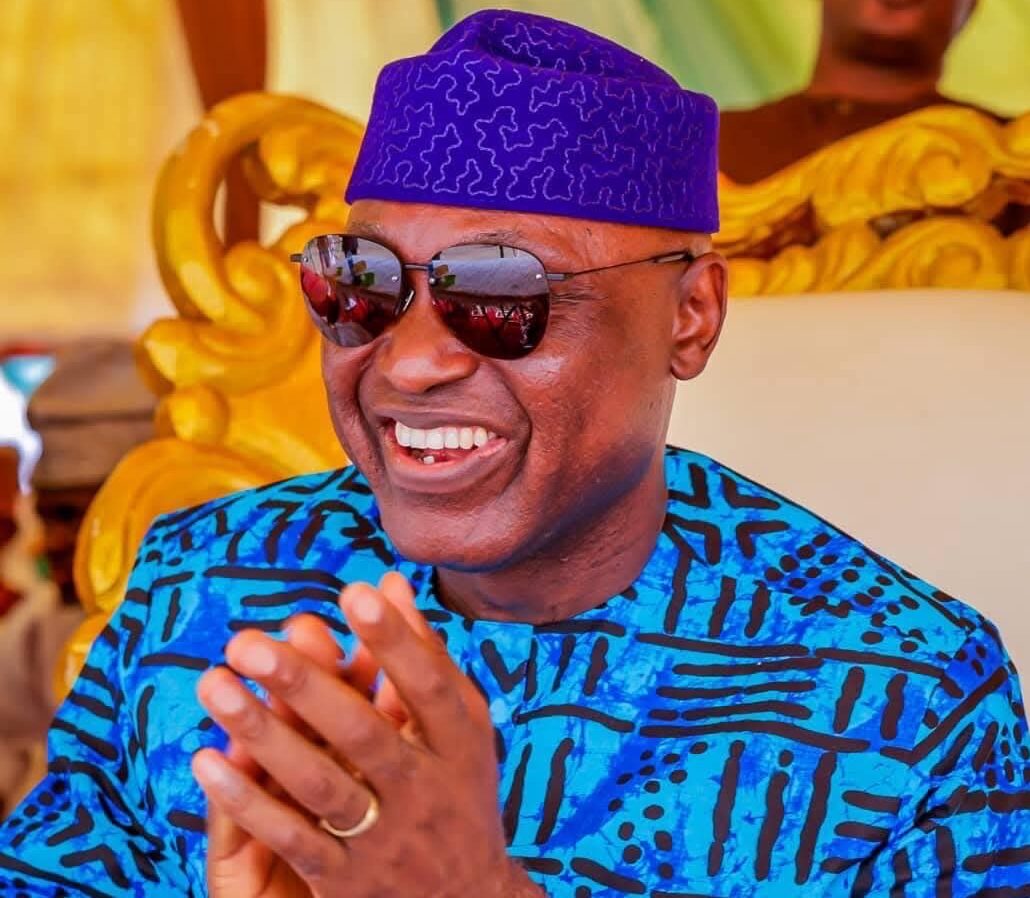
He added that the success of these tax changes will not just be measured by the number of taxes removed but by whether businesses can grow, jobs are created, and families see better economic conditions.
"The success of tax reform will continue to be measured not by taxes being removed, but by businesses being able to grow, jobs being created, and prosperity being shared," he said.
The updated system also allows for certain deductions, including pension contributions and some housing expenses, to be factored in when calculating taxable income.
The board has urged employers and payroll managers to apply these new rules correctly when figuring out workers’ tax deductions. They are also working with police and state revenue agencies to stop illegal levies and unauthorized collections on roads and transport routes.
Adesokan pointed out that these practices raise transport costs. The added expenses are often passed on to consumers in the form of higher prices for food and essential goods.
"You can’t just be stopping and harassing people," he said, calling for better use of technology and stricter action against illegal collectors.
He recognized that ending such practices will take time since roadside collections have become common in some areas.
The JRB has also announced steps to stop the sale of revenue stickers and emblems, roadblocks for tax collection, and unauthorized cash payments. Adesokan urged taxpayers to confirm revenue demands with the right authorities and avoid paying money into private accounts or those belonging to consultants without proper verification.
He mentioned that informal traders who qualify for tax exemptions should not face income tax demands, although other legal charges may still apply.
Adesokan said the board is collaborating with the Nigeria Revenue Service (NRS) and state revenue agencies to connect existing taxpayer records to a national Tax Identification Number system. This unified system will help revenue authorities verify taxpayer records across state lines, cut down on duplicate documentation, and prevent repeated income tax demands due to poor coordination.
He mentioned that taxpayers will be able to retrieve their Tax IDs online using their personal details. The board is also planning joint tax audits with the NRS and state agencies to reduce repeated inspections and disruptions to businesses.
Adesokan encouraged Nigerians with complaints about tax management to seek help through the right channels, including the Office of the Tax Ombud, which offers a free way to resolve taxpayer issues.
The JRB, which was previously known as the Joint Tax Board, has a broader mandate under the Joint Revenue Board (Establishment) Act 2025. Its roles include coordinating tax administration, harmonizing taxes and levies, resolving disputes between tax authorities, and improving the sharing of tax-related data.
Adesokan said the ultimate test of these reforms will be whether they boost compliance, lessen the burden on businesses, and support economic growth. He added that the government's goal is to create a tax system that is fair, accountable, and transparent, without placing demands beyond what taxpayers can manage.


Drop your comment
No comments yet — be the first to drop the gist 👇