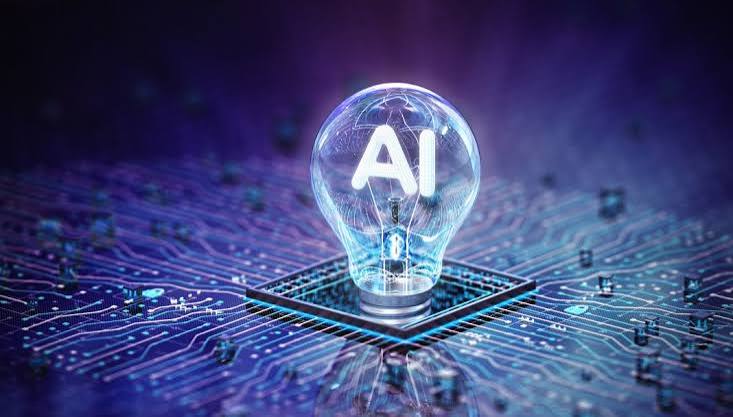
In May 2026, Nigeria faced a serious test of its readiness for synthetic media. A viral audio recording appeared online, supposedly featuring President Bola Tinubu. The voice made sensitive comments about opposition parties, insecurity, public borrowing, and the 2027 elections. The presidency condemned the recording. Presidential adviser Bayo Onanuga called for the prosecution of social media commentator Martins Otse, known as VeryDarkMan, accusing him of spreading the audio.
The following day, FactCheckHub confirmed that Mr. Otse did not share the doctored recording. Someone took footage from one of his Instagram videos, added AI-generated audio that sounded like the president's voice, and spread the false version. About a week later, police arrested Ifechukwu Dennis, whom the presidency said was behind the fake voice. But by then, the issue had already gained national attention, and the presidency had called for action against a man who was not responsible for it.
This incident reveals a problem that goes beyond just deepfakes. The presidency was the victim, the accuser, and the first responder all at once, naming a suspect before anyone could verify the source of the audio. Now, synthetic content can be produced faster than it can be checked. In this gap, institutions act on unverified information, journalists report unclear claims, and the public forms opinions based on false evidence. With Nigeria gearing up for another election in 2027, the key question is whether our institutions can spot fake content and whether verification can stay independent from those who have a stake.
Global Reactions to the Threat
Political leaders around the world are already reacting to this challenge. On October 5, Italian Prime Minister Giorgia Meloni applied to trademark her voice with the European Union Intellectual Property Office. She took this step because of worries about AI-generated impersonations. This came after manipulated images of her circulated as real in May 2026, raising concerns about how public figures can protect themselves when their voices and likenesses are easily reproduced.
The risks during elections can be severe. In October 2025, just days before Ireland’s presidential election, an AI-generated video falsely showed candidate Catherine Connolly announcing her withdrawal from the race. The video mimicked an RTÉ news report, making the false announcement seem legitimate. Ms. Connolly had not made any such announcement and remained in the race, but this incident highlighted how synthetic media can confuse voters, journalists, and election authorities at critical moments. Nigeria faces a similar risk in 2027.
Fake Media Already in Nigeria
In September 2026, DUBAWA investigated AI-generated newspaper images that wrongly attributed rent promises to Atiku Abubakar. The fake pages claimed he promised that Nigerians would no longer pay rent if he became president and that landlords collecting rent could be jailed. The images looked like real newspaper reports, using the credibility of established news outlets to make the claims believable. On social media, where such images are often shared without links to original publications, readers could easily stumble across these false headlines.
In July 2026, social media users accused Peter Obi of faking photos to suggest he attended a roundtable in Berlin. FactCheckHub confirmed that Mr. Obi did attend the event, although some photos he shared may have been digitally altered. The issue quickly shifted from the authenticity of the photos to whether Mr. Obi was even at the event. Doubts about images became doubts about reality.
In December 2025, British-Nigerian boxer Anthony Joshua was injured in a car crash on the Lagos, Ibadan Expressway. President Tinubu expressed concern, but soon after, photos showing him visiting Joshua in the hospital were found to be AI-generated. These images falsely inserted the president into a real event, creating a political meeting that never happened.
Verifying AI Fakes is Costly
With widely available AI tools, someone can create many versions of a fake political statement in minutes and share them on different platforms. It takes much longer to verify whether that content is real. This includes tracing the original source, examining the material for signs of tampering, checking it against records, and sometimes getting help from specialists. Even once a claim is proven false, the correction does not reach everyone who saw the original. During elections, this gap can shape public opinion before journalists or election authorities confirm the facts. The ability to produce manipulated content is growing quickly, while expertise and resources needed to verify it are lagging behind.
The Business of Synthetic Media
Not everyone making AI-generated content aims to sway political views. Platforms like TikTok, Facebook, YouTube, Instagram, and X reward attention and engagement, giving creators a direct financial interest in content that goes viral. AI tools let creators produce content in large amounts at low cost. Fake celebrity endorsements, synthetic interviews, false breaking news clips, and manipulated political statements may be made for money, influence, or fraud, but they all use the same tools and spread through the same channels. For newsrooms and fact-checkers with limited resources, this rising volume adds to the verification workload, which is growing faster than their ability to keep up.
Is Nigeria Ready for 2027?
Elections tighten the time available for responses. Voting happens in a set period, results come out under scrutiny, and political events provoke immediate reactions. A fake concession speech, an AI-generated recording with inflammatory remarks, a false announcement from INEC, or doctored footage of violence could spread widely before journalists or security agencies confirm what really happened.
The opposite problem is also serious. As deepfakes become more common, politicians may dismiss real recordings as fake. Legal scholars Robert Chesney and Danielle Citron refer to this as the liar’s dividend. The Obi controversy showed how quickly doubts about images can turn into doubts about whether an event even happened. Proving that a recording is real may become just as important as exposing one that is fake.
Nigeria has fact-checkers, newsrooms, regulators, and law enforcement tackling false information, but their systems were not built for the speed of synthetic media. A fact-checker may find that a video is fake without having a direct link to where it is hosted. A party may deny a recording without showing proof. And, as the VDM case demonstrated, authorities might chase someone connected to a viral clip before figuring out its source.
Bridging these gaps needs preparation before the election campaign kicks off. INEC should set clear procedures for handling fabricated announcements and manipulated statements from officials. Political parties and candidates should have known ways for journalists and the public to check their statements. Newsrooms should verify disputed audio, video, or images before presenting them as real and state any uncertainties clearly when the material is newsworthy. Fact-checkers, especially the smaller ones, need tools and training in digital investigation and source tracing. Platforms should provide support for credible fact-checkers and election officials, clarify how their policies on synthetic media will work during the election, and act quickly when content is proven to be misleading.
All of this fails if these institutions meet for the first time on election day. If a fake INEC announcement starts circulating at midday, election officials should already know who to contact for help. Journalists should know where to seek confirmation, and platforms should have a system ready for credible reports. Independent verification must remain possible throughout, especially when political authorities are involved in the dispute.
Two more points are important. First, many AI models and detection tools used in Africa are developed elsewhere, with limited support for African languages and local contexts. Reliable tools and access to platform data are often too costly for smaller organizations. Working together among African newsrooms, universities, fact-checkers, and public-interest technologists could help through shared expertise and verification resources tailored to local needs. Second, public education is important, but most people can't verify complex synthetic media alone. They rely on journalists and trusted institutions to do it for them, which is why ongoing investment in investigative reporting and verification is crucial.
Challenges Ahead of 2027
Nigeria has dealt with propaganda and false claims for years. What AI changes is how easily convincing material can be created and how far it can spread. The documented cases in Nigeria, along with experiences from other places, show the need to strengthen systems for finding and responding to synthetic political content before the next major issue arises. As Nigeria gets ready for 2027, the big question is whether our institutions will be ready to determine what is true when it matters most.

Drop your comment
No comments yet — be the first to drop the gist 👇