---
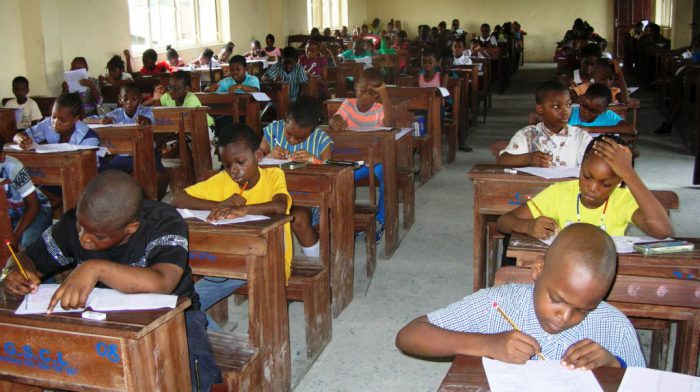
The Federal Government of Nigeria has changed the education system again. They have removed the 6-3-3-4 system that started over 40 years ago. Now, there will be a linear 12-year schooling from primary to the end of secondary education. In the old system, students spent six years in primary school, three years in junior secondary school, another three years in senior secondary school, and at least four years in university.
On July 1, the Minister of Education, Tunji Alausa, said the switch from JSS 3 to SSS 1 created a problem. He said, “We have 20 million dropouts from primary school to Junior Secondary School. Where are the students? We found out that we have 80,000 public primaries and about 15,000 Junior Secondary schools. That is a ratio of one-to-eight.”
Education is a public good, and any major change needs serious discussion for the benefit of everyone. But the Nigerian government did not hold such discussions. They did the same with the recent changes to the National Youth Service Corps (NYSC) scheme, which drew a lot of public anger. Education is still a joint responsibility of the federal and state governments, as shown in the 1999 Constitution. The private sector is also heavily involved in all education levels.
The 6-3-3-4 system was introduced in 1982 after discussions in 1977. The curriculum was changed to focus on career paths and job needs. This included technical and business subjects like Technical Drawing, Computer Science, Fishery, and Animal Husbandry. Other subjects like Marketing, Horticulture, Introductory Technology, Creative Arts, Entrepreneurship, Data Processing, and Interior Decoration were also added to attract students alongside core subjects like Mathematics, Physics, Chemistry, Biology, Geography, Fine Arts, Agricultural Science, Government, English Language, and English Literature.
In 2025, the Federal Ministry of Education and the Nigerian Educational Research and Development Council (NERDC) noticed too many subjects in the classroom. They decided to cut down. JSS classes reduced subjects from 18 to 12, while SSS classes dropped from 20 to 9.
The goal of Junior and Senior Secondary Schools was to identify students who struggled academically. Those students were meant to receive guidance through counseling to learn vocational skills based on their abilities. Passing the JSS level was necessary to move on to SSS.
For Mr. Alausa to blame Nigeria’s 20 million out-of-school children on the failure of the 6-3-3-4 system is misleading. The real issues are high insecurity, especially in northern Nigeria, lack of teachers, poor school conditions, poverty, and cultural practices that push girls into early marriages. These factors keep children out of school.
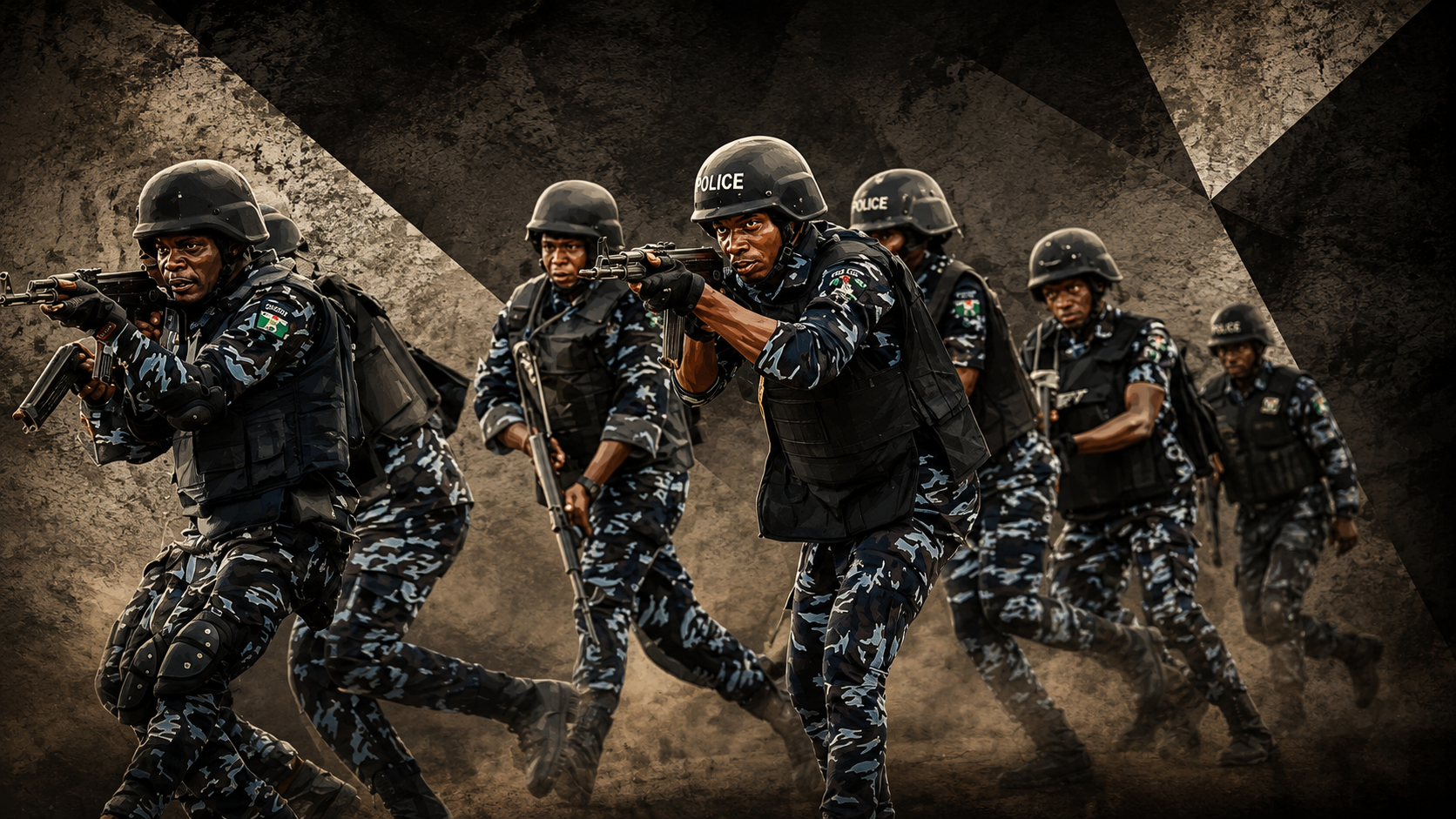
Recent data from the ICIR showed that between April 2024 and May 2026, insurgents and kidnappers attacked 26 schools, kidnapping 2,416 students for ransom. In Internally Displaced Persons (IDP) camps in Borno, Benue, Plateau, and other states, many school-age children are present. Some traumatized Chibok schoolgirls, abducted in 2014, promised not to return to school after their rescue. Other victims share similar fears about schooling.

It is not surprising that “three out of four children at the basic education level cannot read or understand an age-appropriate text by the age of 10,” as the minister noted. Many Nigerian states do not prioritize education. As of March 18, 2026, ₦97.88 billion from the Universal Basic Education Commission (UBEC) is unused because states did not apply for it to improve basic education. States need to provide their own 50 percent funding to access these funds. Only 21 states have managed to access the funds so far.
UNESCO warns that “Nigeria risks a generational catastrophe” without proper investment in education. This is a major problem. Many state governments are not investing enough in education.
Hamid Bobboyi, former Executive Secretary of UBEC, said that out of 694,078 teachers needed, only 499,202 are available. This leaves a shortage of 194,876 teachers in basic schools across the country. To avoid school closures, Parents Teachers Associations (PTA) in many communities now hire and pay teachers. Sometimes, classes One and Two are merged for one teacher. Many pupils learn while sitting on bare floors, and teachers lack proper desks. This is unacceptable when many trained NCE holders and graduates are unemployed.
A stakeholder said, “Right now, the problem of primary and post-primary education in Nigeria is not restructuring; it is the provision of a better learning environment, laboratories, infrastructure, and qualified teachers.”
The minister needs to understand simply that the 6-3-3-4 system did not fail. The government failed with poor funding and execution of the system. Without technical equipment, workshops, electricity, and trained teachers, it could be said that the system never really got off the ground.
This kind of policy change is why History was removed from the school curriculum until the public demanded its return. The government also almost made a big mistake by raising WASC and NECO registration fees to ₦50,000 without talking to anyone. They quickly reversed that decision, at least for now.
Education matters are too delicate to be left only to politicians. The government should avoid making policies that have not been thoroughly considered, which could greatly harm the country’s future. Education needs serious, long-term investment, not just superficial changes.
Drop your comment
No comments yet — be the first to drop the gist 👇