Education leaders in Ebonyi are strongly against the federal government's plan to scrap the 6-3-3-4 education system. Instead of changing the policy, they want better infrastructure, teacher training, and more funding to help the system reach its goals.
In separate interviews with the News Agency of Nigeria (NAN) in Abakaliki, the respondents said the proposed change would hurt Nigeria's aim of having a solid and competitive education system. They pointed out that inconsistent policy implementation is a major hurdle to national progress.
Chinedu Nwankwo, a professor of educational administration at Alex Ekwueme Federal University, Ndufu-Alike, said the 6-3-3-4 structure was meant to encourage self-reliance by adding vocational and technical training at the junior secondary level. "The goal was to help students who might not continue to senior secondary school or university gain practical skills for jobs and entrepreneurship," he explained.
"Sadly, governments have not provided the infrastructure, equipment, and qualified teachers needed to meet that goal; removing the policy will not fix these problems."
Grace Onwe, a director of academic planning at the Ebonyi Ministry of Education, talked about how frequent policy changes hurt long-term planning. She urged the federal government to focus on strengthening existing structures through proper monitoring and resource allocation.
"We should not change policies every time a challenge comes up; what we need is commitment to implementation because every reform needs time, resources, and consistency to work," she said.
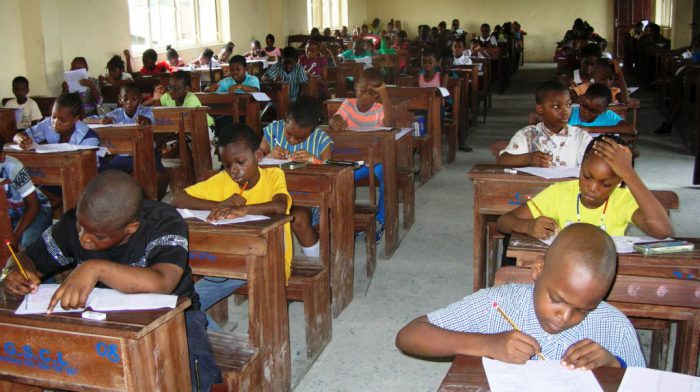

Sunday Ogbu, Director of Schools at the Ebonyi Ministry of Education, mentioned that the vocational part of the 6-3-3-4 system was never fully achieved nationwide. Many schools do not have the workshops and technical teachers needed.
Ngozi Enyi, a professor of curriculum studies at Ebonyi State University (EBSU), agreed. She advised the federal government to thoroughly assess the current system before making new changes. She disagreed with the government’s claim that the system causes high dropout rates, saying this is an institutional problem, not a structural one.
Emmanuel Eze, a representative of the EBSU Students’ Union Government, also called on the government to involve students, teachers, and experts before making a final decision. He pointed out that students care more about modern technology, quality teaching, and good facilities than about structural changes.
The stakeholders concluded that the 6-3-3-4 system, which includes six years of primary education, three years of junior secondary, three years of senior secondary, and at least four years of tertiary education, can still work if there is strong political will. They urged the federal government to keep the policy, improve its implementation, and invest more in technical and vocational education to boost national economic growth.



Drop your comment
No comments yet — be the first to drop the gist 👇