
Maternal mortality is a big issue in Nigeria. It is also easy to misunderstand. Accurate statistics can sometimes give a wrong impression when taken out of context. This is why recent reports on Nigeria’s maternal mortality numbers need more careful examination than what the headlines suggest.
Some news reports said that UNICEF released new information showing that Nigeria’s maternal mortality problem is getting worse. The reports implied that UNICEF had shared new findings about the current situation in the country.
The numbers in those reports came from a publication titled “Trends in Maternal Mortality: 2000, 2023,” released in April 2025 by the United Nations Maternal Mortality Estimation Inter-Agency Group. This group includes WHO, UNICEF, UNFPA, the World Bank, and the United Nations Department of Economic and Social Affairs. This report covers a 23-year span and has been available to the public for months. It is not a new UNICEF report nor an evaluation of the current reforms in Nigeria. The figures mainly relate to a time before the current reform program started. UNICEF has sincemade it clear that no new maternal mortality report or estimates were announced at the Bauchi event. They confirmed that their work with the Federal Government and Bauchi State Government focuses on improving maternal and newborn health services through direct collaboration.
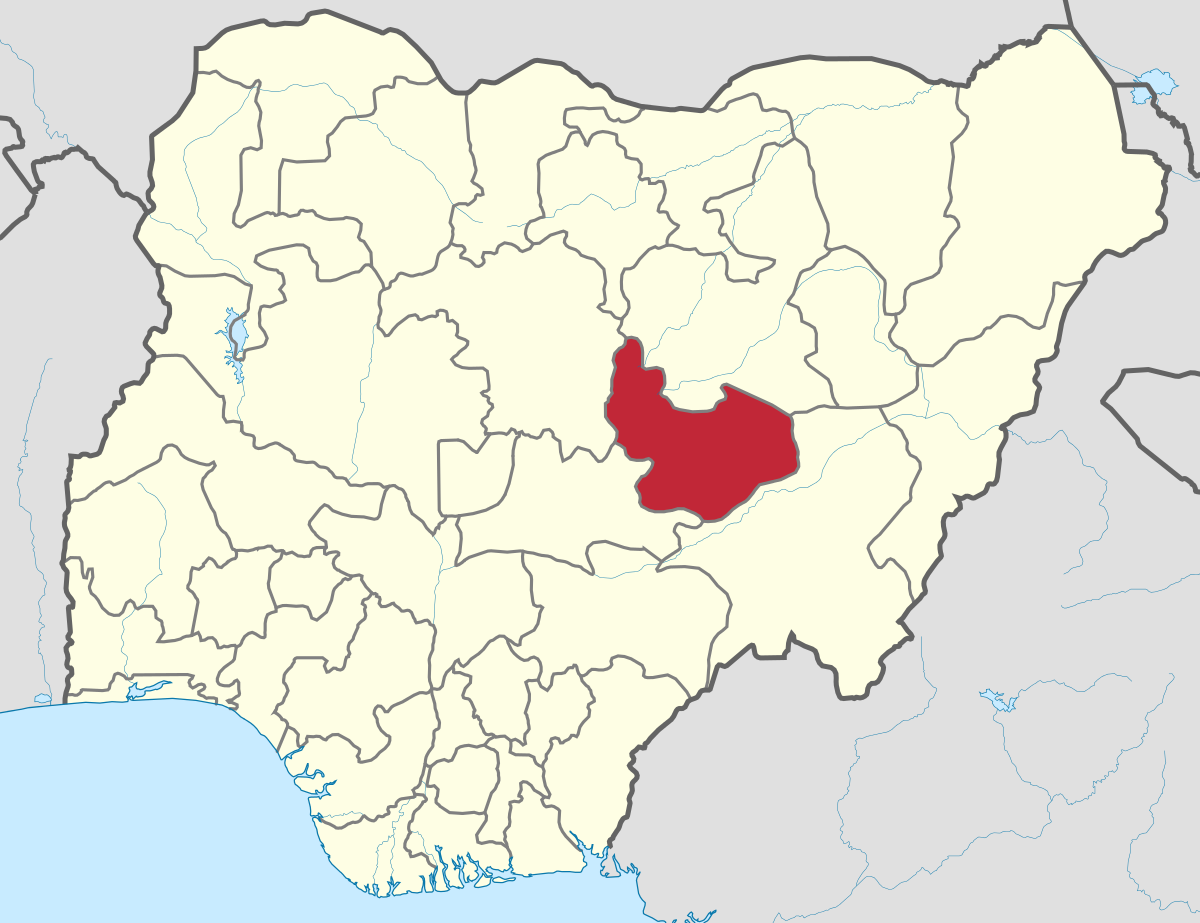
The media reports came out during the launch of the Federal Government’s ₦10 billion Comprehensive Emergency Obstetric and Newborn Care initiative in Bauchi. The Coordinating Minister of Health and Social Welfare, Professor Muhammad Ali Pate, joined the Bauchi State Government, UNICEF, and other partners to improve Nigeria’s maternal and newborn health goals. They announced plans for ambulances, emergency obstetric and newborn equipment, essential medicines, maternity kits for healthcare facilities, and better emergency referral systems. This initiative aims to improve healthcare access for about 45 million Nigerians every quarter while speeding up efforts to cut down preventable maternal and newborn deaths. The mortality figures provided context for these initiatives. Most discussions centered on what is needed to lower those numbers over time through better primary healthcare, improved emergency care, and stronger partnerships.
The challenge is clear. The more important discussion is whether the reforms being implemented tackle the root causes of the problem. Maternal mortality is a serious issue as it shows the failure of the health system to protect women during pregnancy and childbirth. Yet, it is one of the last measurements to respond to changes.
Deaths during pregnancy often happen due to multiple failures. Delayed antenatal care, lack of staff or equipment at health facilities, late referrals, unavailability of blood, and financial issues can all contribute. Treatment costs may delay urgent decisions that should not depend on money.
A well-functioning primary healthcare facility helps more women start antenatal care early. This allows risks to be spotted before they turn into emergencies. Better-trained health workers increase the chances of recognizing complications on time. Direct funding to primary healthcare ensures that essential medicines and services are available where women actually go for care, not just where the budget is managed.
When a death eventually shows up in national statistics, the reasons behind it have usually been building over months or even longer. Mortality statistics show the result, but they tell us little about where the failures began. For this reason, maternal mortality is a tough measure of current performance. It is still a vital indicator of a country’s burden, but it is less reliable for judging ongoing reforms. The health system reflected in today’s mortality numbers took years to build, and it will not change overnight.
Countries that have successfully reduced maternal mortality usually take similar steps. They strengthen primary healthcare, invest in health workers, enhance emergency care, improve referral systems, lower financial barriers for women, and ensure that essential medicines and equipment are available. Most importantly, they treat every maternal death as a lesson to improve the health system.
This wider context helps explain the direction of the Nigeria Health Sector Renewal Investment Initiative. Many of its programs are often discussed separately, but they actually support each other by addressing different points where the health system can fail a pregnant woman.



A functioning primary healthcare facility means more women can start antenatal care early enough for risks to be identified before they become emergencies. Better-trained frontline health workers can spot complications on time. Direct funding to these facilities ensures essential medicines and services are available where women seek care.
This thinking also guides the Maternal Mortality Reduction Innovation Initiative (MAMII). This initiative recognizes that when complications arise during pregnancy or childbirth, outcomes can change in hours. Delays, distance, lack of trained personnel, shortages of blood, or inability to pay can all be decisive. That’s why the Bauchi initiative goes beyond funding. It brings together emergency obstetric and newborn equipment, ambulances, essential medicines, maternity kits, and improved referral systems to create a better care path during emergencies.
If we compare two countries with the same maternal mortality ratio today, one is improving primary healthcare and expanding emergency care while the other does nothing. Their mortality rates might look the same for a time, but it is clear they are not moving in the same direction.
Maternal mortality statistics remind us of the women a country has lost. They should also raise another question: is enough being done to prevent more women from dying in the future? We cannot answer that question with statistics alone. It requires looking at the systems and reforms that will affect these numbers long before they show up in reports.
The early signs of progress usually show up in other ways. More women visit antenatal clinics, more births are attended by skilled health workers, referral systems become more reliable, and essential medicines and blood are more consistently available. Primary healthcare facilities are better equipped, and financial protections expand. None of these factors alone proves that maternal mortality is decreasing. But together, they give a better picture of whether the conditions for lasting improvement are developing.
Historical maternal mortality rates and ongoing reforms should not be compared as they serve different purposes. One shows the scale of the problem, while the other reflects the response direction.
UNICEF's recent clarification aligns with this understanding. Recognizing Nigeria’s maternal mortality issue goes hand in hand with supporting reforms to reduce it. The key question is whether the country is strengthening the systems that have led to sustained reductions in maternal mortality in other places. That is how we should assess today’s reforms.
The ongoing Demographic and Health Survey will give us new evidence to evaluate recent progress. Until then, public conversations should separate estimates that show Nigeria’s burden from the reforms underway to lessen it. Mixing them up does not help public understanding. Maternal mortality statistics remind us of the women a country has lost. They should also prompt us to ask if enough is being done to save more women in the future. This question cannot be answered by statistics alone. It requires focus on the systems, investments, and changes that shape these numbers before they appear in any report.



Drop your comment
No comments yet — be the first to drop the gist 👇