
For decades, we have learned how to treat HIV. By 2026, Nigeria must prove that prevention can also be practical and accessible. The country’s success should not be measured by the number of strategies or medicines introduced, but by whether an ordinary Nigerian, no matter their income, age or location, can get the tools needed to avoid HIV.
This week, Peter Sands, the Executive Director of the Global Fund to Fight AIDS, TB, and Malaria, said that progress against these diseases is hanging by a thread. He pointed out that the focus on treatment is hurting prevention efforts. A few months ago, Nigeria’s news was filled with headlines like “Lagos tops Nigeria’s HIV burden as new infections hit 102,025” and “Lagos, Benue Top HIV Burden As Nigeria Records 20,838 New Infections In Q1 2026.” Soon, social media was buzzing with influencers and commentators discussing how Lagos is the center of HIV in Nigeria. As I saw post after post repeating the same messages, I shook my head. Why? Because sensational headlines have made us lose sight of the bigger picture. A year ago, similar headlines were about Rivers State.
So, why should we change our focus when these HIV statistics come out? Let me explain.
In December 2020, the Joint United Nations Programme on HIV/AIDS (UNAIDS) set ambitious targets. They called for 95 percent of all people living with HIV to know their status, 95 percent of diagnosed individuals to receive ongoing antiretroviral therapy, and 95 percent of those on treatment to have viral suppression by 2025. These targets were adopted by United Nations member states in June 2021 as part of the new Political Declaration on HIV and AIDS. The goal was to shift focus towards primary prevention, reduce inequalities in treatment coverage, and lower new HIV infections across different groups and regions.
Recent data from the National Agency for the Control of HIV and AIDS (NACA) shows that about two million people live with HIV in Nigeria. Out of these, 87 percent know their status, 98 percent of those aware are on life-saving treatment, and 95 percent of those on treatment have achieved viral suppression. Over the last 25 years, Nigeria has made steady progress in HIV screening, care, and treatment. While these results deserve recognition, we need to change how we present them. In the last decade, Nigeria has seen a 46 percent drop in new HIV infections. More people living with HIV now know their status and receive treatment regularly.
This means the next time we see data about HIV burden, we should not ask which state has the highest HIV rate. Instead, we should ask where those infected know their status, have access to treatment, and are actually taking it. The current messaging about HIV burden risks making people in states outside Lagos, Benue, Rivers, and Akwa Ibom underestimate their vulnerability.
In late 2023, NACA reported about 1,400 new HIV infections and 50,000 AIDS-related deaths each week. This alarming rate of HIV transmission mainly affects children, with 22,000 new infections recorded among those aged 0-14 years. Currently, Nigeria accounts for 25 percent of the global mother-to-child transmission of HIV.
The main risk factors for mother-to-child transmission include communities with limited access to antiretroviral treatment (ART), high maternal viral load, untreated infections, and a lack of follow-up care for mothers after delivery. From recent data, post-natal dropout accounts for 60 percent of new child infections. Another factor is mixed feeding, where combining breastfeeding with other feeds during the first six months raises transmission risk. These issues are driven by stigma and prejudice and highlight the need for equal access to testing, care, and treatment.


Even though Nigeria has made progress in HIV testing and treatment, the biggest challenge now is preventing new infections. We must ensure that prevention tools reach those who need them most, where they are, and when they need them. According to Dr Temitope Ilori, the Director-General of NACA, nine out of ten new adult HIV infections occur among ordinary Nigerians, outside high-risk groups. We need to change prevention messaging to reflect this reality.
To address this, we need a multi-faceted approach.
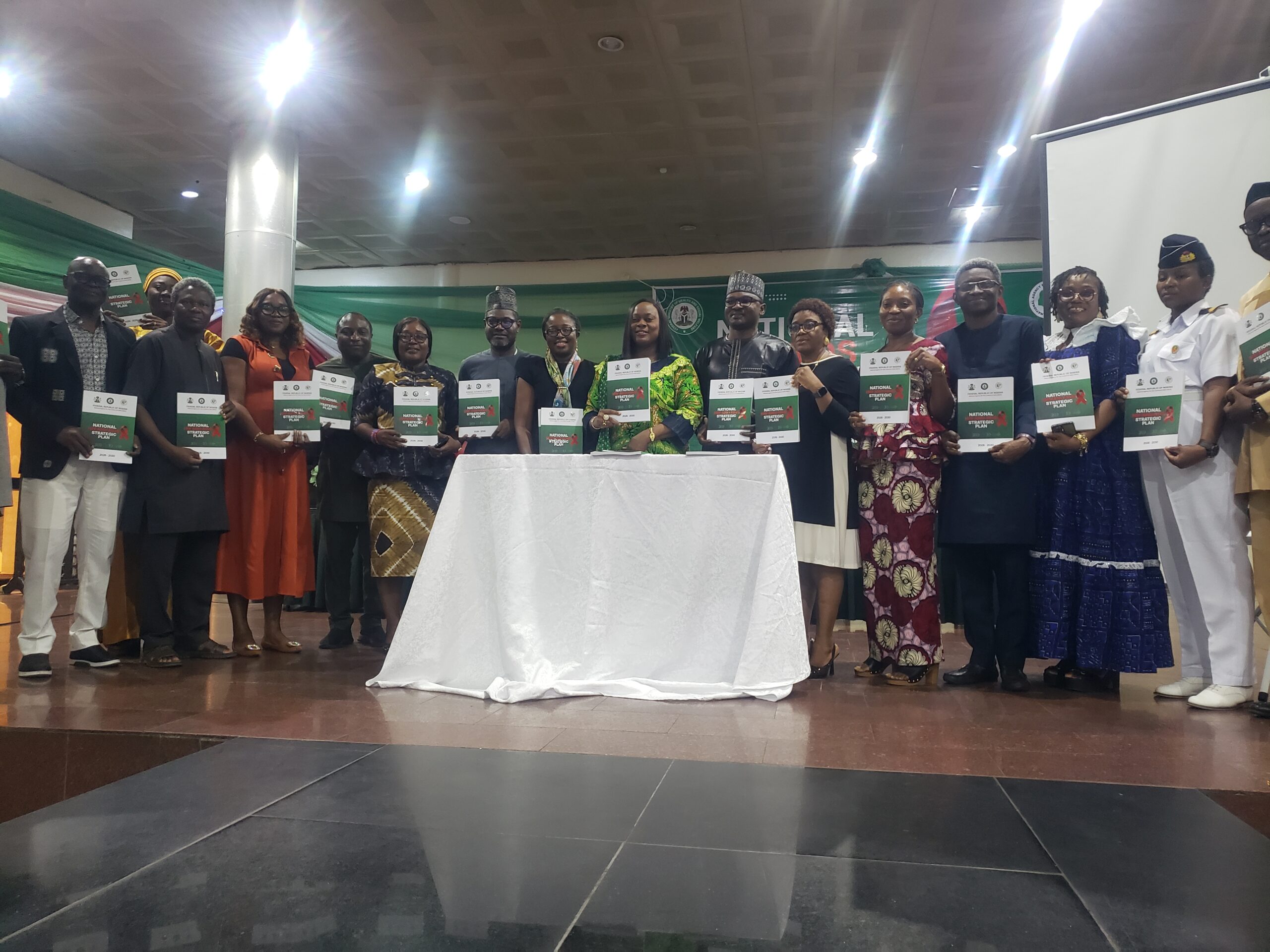
Location and Outreach: The National HIV and AIDS Strategic Plan (2026, 2030) aims to focus on youth, behavioral change, and community-based prevention through schools and religious institutions, moving beyond clinical settings.
Innovation and Accessibility: Real-time prevention relies on steady access to condoms, stigma-free testing, and pre-exposure prophylaxis (PrEP) in rural areas, not just during outreach campaigns. Innovations like Lenacapavir (a twice-yearly injectable PrEP) offer convenient options, but costs can reach up to ₦360,000. We must prioritize public need over purchasing power. Additionally, closing gaps in mother-to-child transmission targets is critical. Every pregnant woman should get timely HIV testing, treatment, and follow-up care, no matter where she lives. Preventing babies from getting HIV is one of the clearest ways to reduce new childhood infections.
We should not see Nigeria’s HIV response as a complete success or failure. Nigeria’s current 95-95-95 achievements show that progress is possible. Yet, existing gaps in prevention show that we still have work to do. HIV prevention will not succeed if it stays confined to clinics and public health campaigns. The key question is whether Nigeria can build on its treatment successes while giving prevention the same attention and resources.
We have spent decades learning how to treat HIV. By 2026, Nigeria must show that prevention can also be practical, visible, and accessible. The country’s success should not be measured by the number of strategies or medicines introduced, but by whether an ordinary Nigerian, regardless of income, age, or location, can access the tools needed to avoid HIV.


Drop your comment
No comments yet — be the first to drop the gist 👇