---
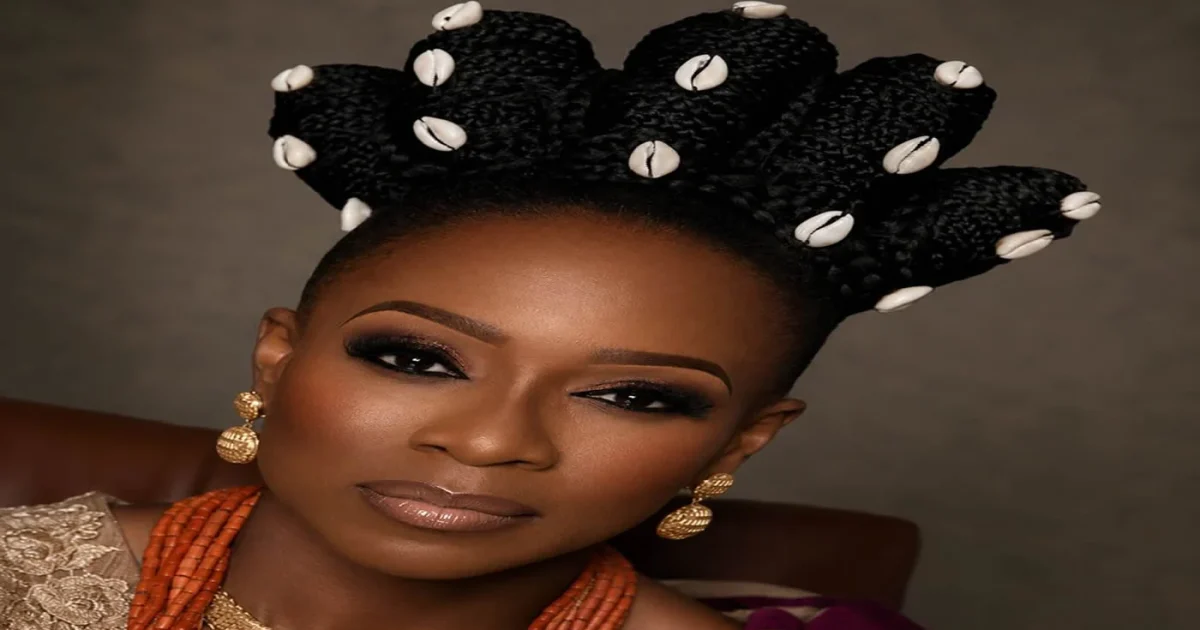
Entrepreneur, filmmaker, and founder of Come On Naija Productions, Olawumi Fajemirokun, shares her journey with Faith AJAYI.
Afamefuna is a project very dear to me. When I think about why it connected with both local and global audiences, it reflects the strong entrepreneurial spirit of Nigerians.
Nigerians often learn about business from a young age, whether through street trading or organized businesses. This business sense is part of our culture.
No matter their background, people understand that success requires hard work. Even kids as young as 10 or 12 start thinking about small jobs or ways to earn money.
Afamefuna shows this reality clearly. It highlights resilience, patience, and the drive to grow from nothing. Viewers relate to its genuine representation of this journey, the hustle, and the success of creating something meaningful without large funds.
This shared desire for independence is what made the story resonate with many.
I truly believe our culture is what makes us shine on the world stage. Sadly, because of our colonial past, we often lean towards foreign stories and weaken our own to gain acceptance.
This belief that cultural authenticity and global appeal cannot coexist is something I want to change. We don’t need to fit into Western storytelling to be modern or relevant.
By bringing real stories to life, I hope to inspire pride in who we are and what our culture stands for. When we embrace our true identity, we catch attention naturally.
Nigerians should not have to change themselves to meet foreign standards of modernity. Our heritage is our strength. Some people get it, and others don’t, but global audiences respect genuine stories.
Finding funding is still the biggest challenge for independent filmmakers. When we introduced Afamefuna, we pitched our vision to companies and groups that support Nigerian storytelling, but we got little backing at first.
Creating significant cultural projects like this needs strong personal motivation. The lack of support from big organizations is a major challenge in the industry.
My experience as a Nigerian entrepreneur helps a lot. In this field, you often hear “no” or “not yet.” Instead of letting it get me down, I use rejection to build my resilience and determination.
Being an entrepreneur taught me not to see setbacks as the end. I learnt to take my time, adjust my plans, and improve how I present my ideas. This focus keeps me moving forward until the market sees the value in our work.
Nigeria has many cultural festivals, but very few have been made into feature films. I thought it was time to change that by giving attention to our local celebrations.
Ojude Oba is one of the most recognized festivals, gaining more visibility after the COVID-19 pandemic. This cultural draw is what attracted me to the project.
Beyond the festival, I saw a chance to change long-held views about Nigerian cinema, especially traditional Yoruba storytelling. Often, these stories rely too much on clichés or star power instead of strong narratives.
I wanted to bring a fresh perspective; one focused on storytelling and ambitious structures.
By basing this project on a solid narrative rather than just surface appeal, we raise the entire genre. Ojude Oba deserved a film adaptation because it has become a global fascination. People worldwide are increasingly drawn to its uniqueness.
Making it a film was not just about the movie; it was about capturing identity, preserving culture, and presenting it through a strong story for a global audience.
The pressure was high from the start. We had to challenge ourselves creatively because crafting a strong narrative around a major festival like Ojude Oba needed precision and teamwork.
From the script stage, we worked on refining the story to make sure it matched the festival’s spirit. It was tough but also very rewarding.
One memorable moment was watching the younger twins perform wonderfully on set. Another highlight was the work with Owobo Ogunde, who played two roles in the film and needed a body double.
The casting was so accurate that the double matched him in height, skin tone, and overall presence. There were times on set when it was hard to tell them apart.
It was exciting to see the director, Adeoluwa Owu, carefully stage and shoot both actors to create a believable visual effect.
I have always thought that when a film captures true cultural authenticity, commercial success will follow. Today, authenticity is rare and sought after.
For me, authenticity is also about reigniting cinema culture; making films that people want to see in theaters and encouraging them to return.
Balancing both means respecting the process. Authentic storytelling cannot be rushed or mass-produced. It takes time, structure, and deep cultural understanding.
It also needs a skilled team that can handle historical and cultural details well. This isn’t a project that can be rushed in a few months.
When you respect the timeline and invest in the right creative minds, you naturally create a high-quality product that resonates with audiences and does well commercially.
Nollywood is still just starting to realize its full potential. Unlike afrobeats, which has made a big global impact, we still have a lot to do in film.
This also means we have a huge responsibility to shape how Nigeria and Africa are viewed globally. We cannot afford to wait or let outsiders tell our stories for us.
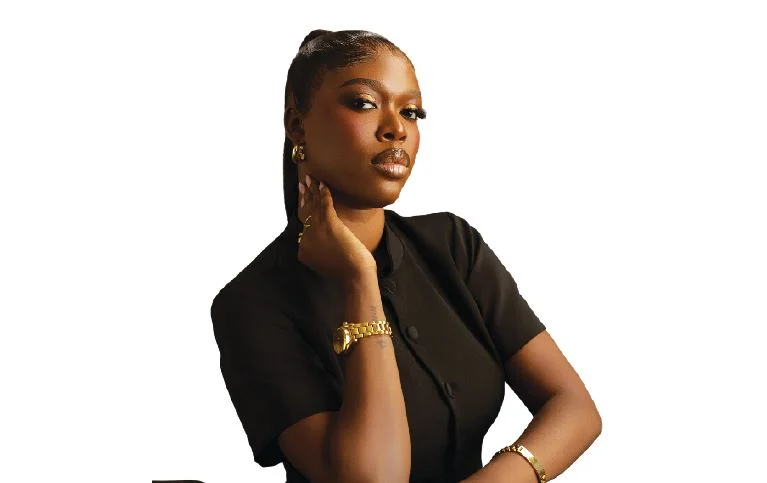

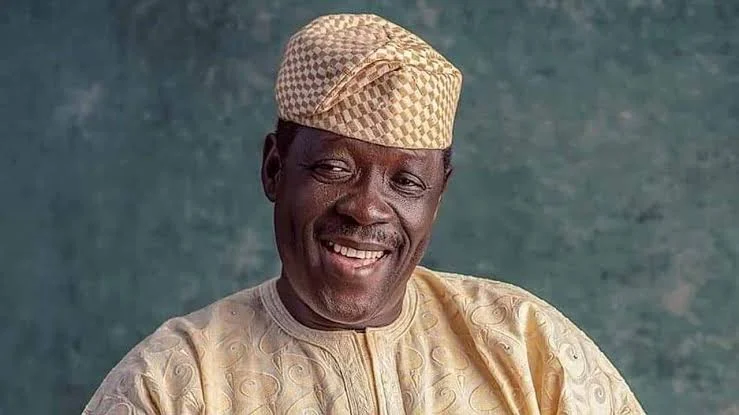
For too long, African stories have been told from afar by people who don’t know our realities. Nollywood must close that gap by telling authentic stories from within, with ownership and clarity.
There is a phrase that guides my life: “Character over competence.” While skills and abilities are important, character is the core of who I am.
Every day, I work to be a better version of myself. This commitment to personal growth keeps me grounded. True balance comes from being content, not from chasing titles or material things.
Real excellence is not about gathering accomplishments; it is about refining your character. This inner discipline brings peace, fulfillment, and the ability to handle all my responsibilities.
At Come On Naija, our long-term goal is to bring authentic, indigenous Nigerian stories to life.
Many powerful stories are captured in books but have not yet made it to film or TV. We are actively looking for these rich stories, especially as forward-thinking organizations recognize the importance of cultural storytelling.
There is growing confidence in how we tell our own stories, and that trust is helping us expand our work.
Absolutely; we are just starting.
There is an endless wealth of Nigerian culture and traditions that we want to bring to the screen. I urge everyone to stay tuned because what’s coming is rich, exciting, and reflective.
Just like we did with Afamefuna, Iwe Ala, and the story of Ojude Oba, our new projects aim to evoke real human emotions like laughter, reflection, maybe tears, and above all, pride.
There is unique power in telling our own stories. You cannot watch a foreign film and feel that immediate connection because you are seeing it from outside.
But when we tell our stories, the connection is instant. You look at the screen and think, “Yes, this is me. This is ours.” That’s the beauty of authentic African storytelling.
I see legacy through fulfillment. There is a quote by Winston Churchill that captures how I view my roles: “We make a living by what we get, but we make a life by what we give.”
It feels almost spiritual that in giving, we receive. Like a teacher sharing knowledge, giving back deepens understanding and brings fulfillment.
True contentment centers you. When you focus on giving, it unlocks deep joy, meaning, and purpose.
Years from now, I don’t need people to remember titles or awards. I want them to remember the heart behind the work.
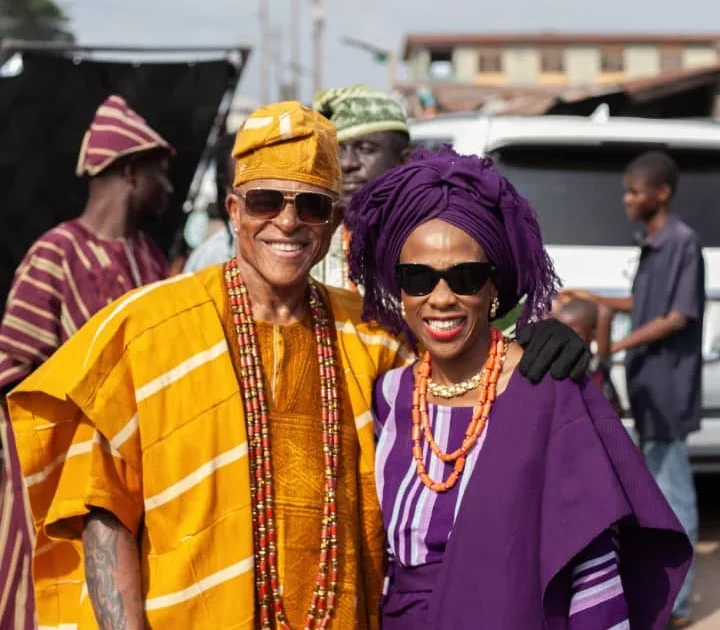
Becoming the Yeye Otunba of the Ifewara Kingdom felt like a traditional blessing into our heritage. It made me reflect on the responsibility of that role. A key part is finding ways to showcase our traditions and culture with grace.
It also made me more aware of how some parts of our cultural heritage are fading. I feel a strong need to help bring these traditions back into focus before they disappear. Globalization has replaced many aspects of our identity with Western influences.
I refuse to watch our culture fade away. Culture is beautiful and grounding; it defines you. While the role did not change my creative output overnight, it redirected my artistic focus. It pushed me to explore different cinematic angles and genres to tell our stories.
For me, culture is a powerful creative tool, especially Yoruba culture, which I understand well in terms of its essence and spirit. Being rooted in that identity, I also want to learn about other cultures.
Many people want to reconnect with their roots or understand other Nigerian traditions. Nigeria has a rich mix of cultures, and no single production company can capture its depth. I am privileged to help tell those stories.
There is a Yoruba saying that has guided me: “Olowo ko lo n ṣàánú, aláánú ni ń ṣàánú.” It means, “It is not the wealthy who show mercy, but the compassionate.”
This idea shapes my philanthropy and creative vision. It shows that true compassion comes from character, not wealth.
My work with the foundation has changed how I see storytelling. I have impacted over 100,000 lives in Nigeria and seen that value and resilience exist beyond money.
When I choose stories to tell, I look for those that reflect this truth; narratives that show dignity, strength, and shared humanity. I focus on characters that express community, compassion, and emotional depth.
For me, storytelling reminds us that we uplift one another not through resources but through who we are.
The main similarities are scalability and longevity.
When we assess young entrepreneurs in the BITE program, we look at whether their ideas have lasting value. We ask: is this something people really need, and does it have staying power, or is it just a trend?
This same principle applies when I evaluate film projects. I think about whether a story has been told before, and if not, whether it has the depth to last over time. A good story should keep resonating with audiences long after its release, especially today with streaming.
Ultimately, both entrepreneurship and storytelling need a long-term view to identify ideas that will last.


Drop your comment
No comments yet — be the first to drop the gist 👇