The Nigerian Ports Authority (NPA) is working to solve rail and logistics problems at inland dry ports. This effort aims to connect these ports better to the national port system and make cargo movement easier across Nigeria.
This decision came after a meeting between NPA officials, led by Managing Director Abubakar Dantsoho, and Ahmad Rabiu, the Executive Director of Dala Inland Dry Port. Representatives from Funtua Inland Dry Port also attended the meeting at the NPA's office in Marina, Lagos.
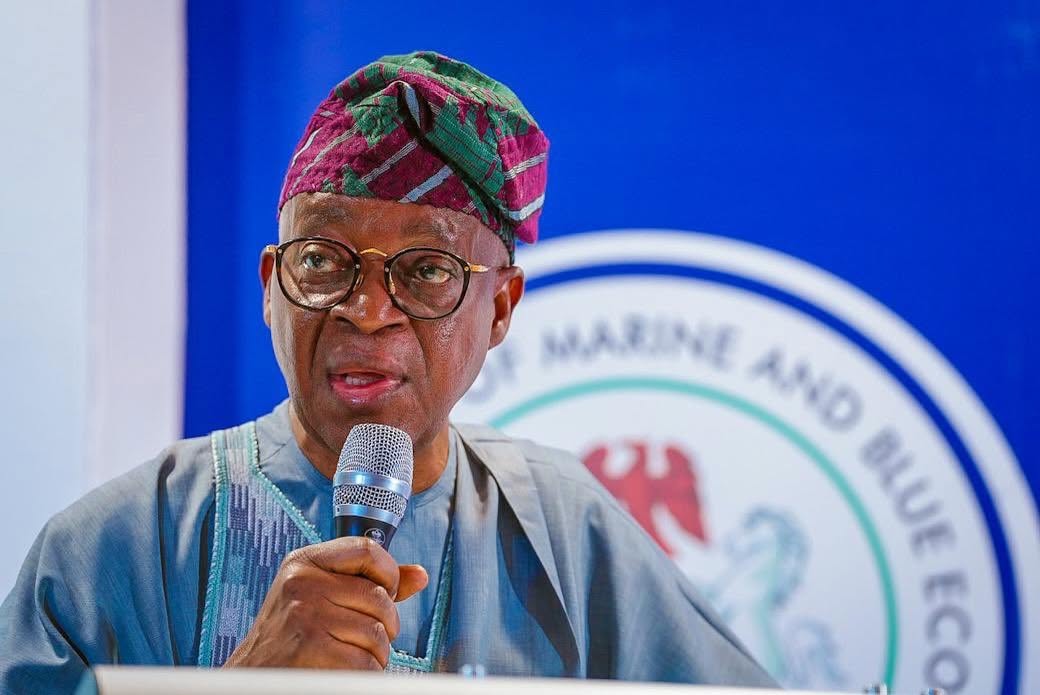
The meeting followed a directive from the Minister of Marine and Blue Economy, Adegboyega Oyetola. He ordered the NPA to take charge of the operations of inland dry ports.
During the discussions, the focus was on how to improve collaboration between institutions, fix infrastructure problems, and boost efficiency in Nigeria's maritime logistics.
Mr Dantsoho highlighted the need to upgrade the infrastructure and skills at inland dry ports. This upgrade is necessary to keep pace with the modernization efforts happening at the nation’s seaports.
He stated that these facilities must be ready to manage increasing cargo volumes and help transform Nigeria’s maritime sector.
“For our Inland Dry Ports to function at the same speed as the ongoing modernization across our seaports, we must proactively upgrade dry port infrastructure and technical capacity,” Mr Dantsoho said.
He pointed out that as digital systems like the Port Community System (PCS) and the National Single Window improve at seaports, similar upgrades must happen at inland dry ports.
“As we integrate digital systems such as the Port Community System (PCS) and the National Single Window in our seaports, the dry ports must deploy modern equipment and advanced technical capabilities to handle larger cargo volumes and bigger vessels coming to our coast,” he added.
Mr Dantsoho also mentioned the need for more private-sector investments in inland dry port infrastructure. He believes that stronger investments are vital for enhancing cargo handling and operational efficiency.
He gave the example of APM Terminals, which set up an Export Processing Terminal in Northern Nigeria, showing how the private sector can help develop inland logistics.
Mr Dantsoho assured everyone that work to improve the inland port system is ongoing. He also confirmed plans to visit the Dala and Funtua facilities to check their operational status and what they need.
Hassan Bello spoke for the group and welcomed the shift of operational oversight to the NPA. He thanked the NPA for what he called a smooth transition.
Mr Bello mentioned the gazetted Port Act, which recognizes inland dry ports as official ports of origin and destination. He also pointed out the challenges these ports face, especially in terms of poor rail connections and other logistics issues.
Rail access is crucial for inland dry port operations. Good links to the national rail network can make moving cargo between seaports and inland locations easier. This can reduce the burden on road transport and lower logistics costs.
The meeting also set up a plan for more technical discussions, infrastructure integration, and physical planning. This will help identify what is needed to improve operations at the facilities.
The talks stressed the importance of thorough technical evaluations, teamwork among stakeholders, and site inspections. This will help establish what infrastructure is most important and guide future projects.
The planned visits to Dala and Funtua inland dry ports should give the NPA a better idea of the challenges these facilities face. This will help them figure out what needs to be done to enhance their role in cargo distribution and trade facilitation in Nigeria.
Drop your comment
No comments yet — be the first to drop the gist 👇