
A professor of Energy and Environmental Economics at Pan-Atlantic University, Ekundayo Mesagan, has urged Nigeria and other oil-producing nations to change their fossil fuel wealth into clean energy systems. This call comes as the world is pushing to cut greenhouse gas emissions.
Mr Mesagan said these countries can use their fossil fuel money to support renewable energy, build green infrastructure, and adopt cleaner technologies. This shift is important instead of depending so much on oil and gas for economic growth.
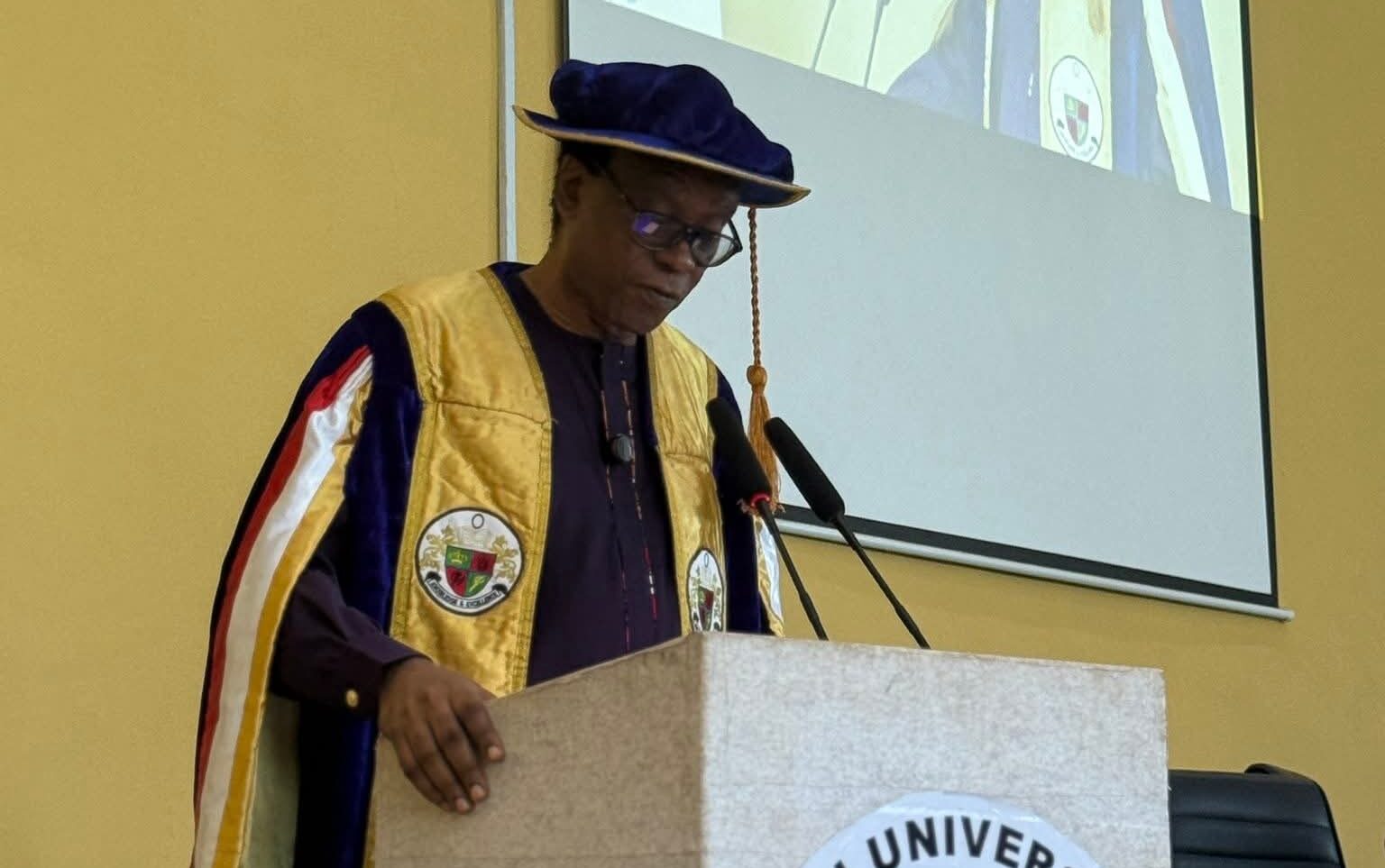
He made this suggestion during his first lecture titled "Making Lemonade from Lemons: The Fossil Energy and Sustainability Puzzle" on 9 October. He pointed out that oil-producing countries are struggling to balance the financial benefits of fossil fuels with the environmental harm caused by their extraction and use.
"The topic of my lecture today is how we can make lemonade from lemons by dealing with the dilemma between fossil energy and environmental sustainability," Mr Mesagan said at the event.
His suggestions come at a time when countries are under pressure to lower emissions as part of the 2015 Paris Agreement. This agreement aims to keep global warming below 2 degrees Celsius compared to pre-industrial levels, while trying to limit the increase to 1.5 degrees Celsius.
Nigeria signed the agreement and plans to achieve net-zero emissions by 2060. Yet, the country is still investing in its oil and gas sector to boost economic growth.
Years of oil exploration and production, especially in the Niger Delta, have raised worries about environmental damage. This harm affects local communities, their livelihoods, and ecosystems.
Mr Mesagan pointed out that fossil fuels are a major cause of greenhouse gas emissions. He stressed the challenge of reducing reliance on oil, gas, and coal while trying to meet climate goals.
Global carbon dioxide emissions grew from about 22 billion tonnes in 1990 to around 39 billion tonnes in 2024. This shows the ongoing difficulty of controlling emissions, even with international climate promises.
He believes the global move to cleaner energy needs countries to reduce their use of fossil fuels and invest more in renewable energy and cleaner technologies.
His view that fossil fuels are like "lemons" means that even though they have great economic value and energy potential, their non-renewable nature and environmental effects present long-term issues.
He said the "lemonade" stands for benefits like environmental sustainability through investment, innovation, and good policies that can come from fossil fuel wealth.
The professor mentioned that investing in cleaner technologies is a key way to cut pollution from fossil fuel production and use.
He called on Nigeria and other oil-rich developing countries to set aside some of their oil revenues for building local renewable energy capacity and green infrastructure, rather than relying too much on foreign nations.
He also asked for more investment in carbon capture, utilization, and storage. This technology captures carbon dioxide emissions for storage or future use in industries.
According to him, this technology could help oil-producing countries lower emissions, improve their role in carbon markets, and stay competitive as global climate rules tighten.
Mr Mesagan urged existing and planned refineries in Nigeria to think about investing in carbon-capture technologies to lessen their environmental impact.
He also expressed hope that the African Energy Bank, set up by the African Petroleum Producers’ Organisation, will work with the Africa Carbon Markets Initiative to boost carbon trading in Africa.
The professor pushed for a diverse energy mix. He wants oil-producing countries to invest oil revenues into solar, hydro, and wind power while improving policies to support cleaner energy.
He said good governance, stricter pollution laws, and carbon pricing are also needed to make sure investments in technology and innovation lead to real environmental benefits.
Looking forward, Mr Mesagan pointed out that climate finance, access to green energy, and climate vulnerability are areas that need more research.
He highlighted the importance of carbon capture technologies and carbon markets in Africa’s drive for net-zero emissions. He also mentioned integrating renewable energy into artificial intelligence systems and the social impacts of energy storage and the energy transition.
He called for teamwork among policymakers, engineers, economists, and environmental scientists to create solutions that help oil-producing countries gain economic benefits from their resources while protecting the environment.



Drop your comment
No comments yet — be the first to drop the gist 👇