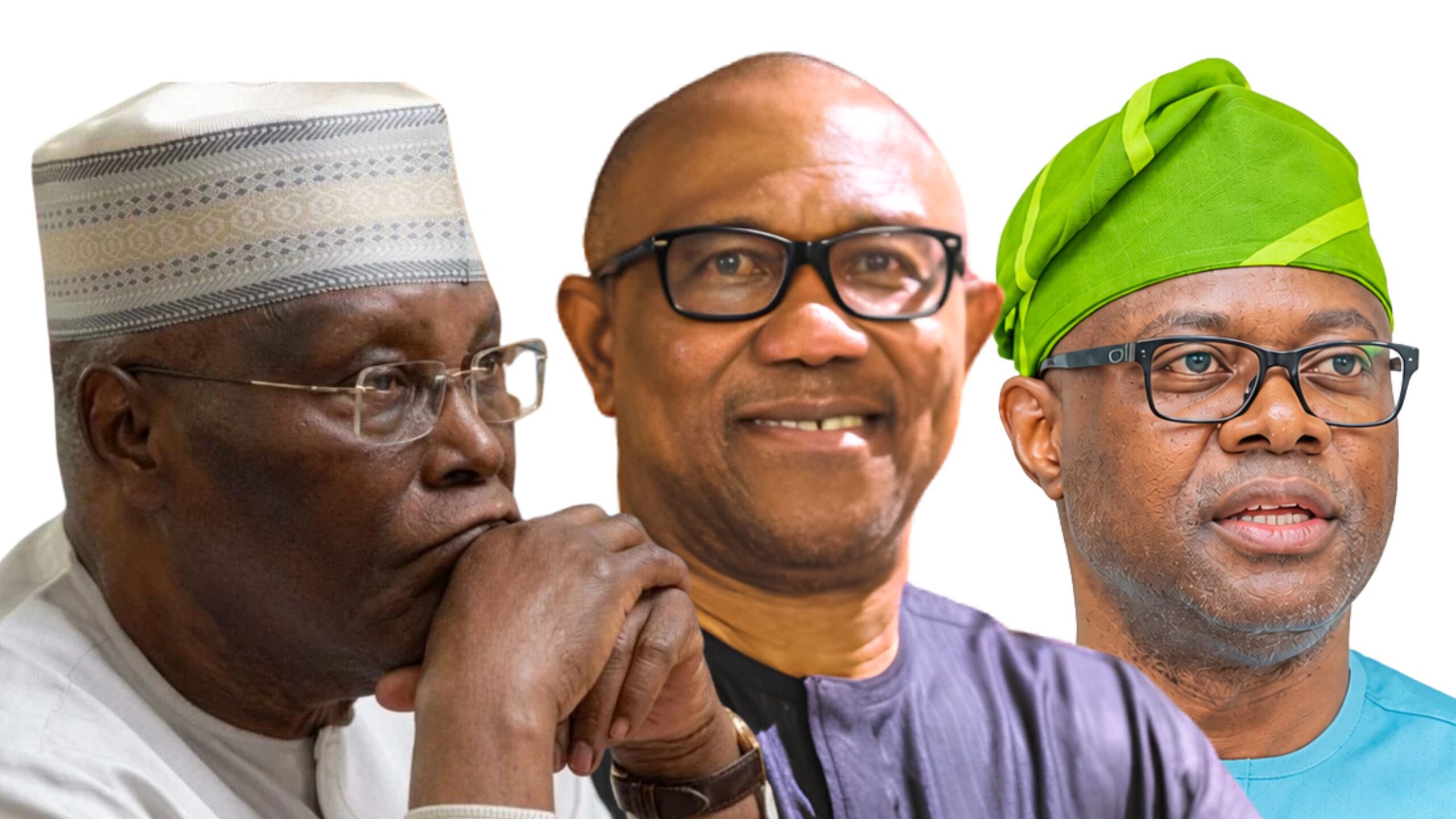
Nigeria’s opposition parties are trying again to form a united front to challenge President Bola Tinubu’s re-election in the 2027 presidential election. Negotiations are moving toward a formal agreement, but the differing ambitions of the parties’ candidates are making it hard to turn calls for unity into a real electoral plan.
The Coalition for Democracy, made up of six opposition parties, has set 30 November for its second summit in Abuja. At this meeting, the parties plan to sign a formal deal on political cooperation, democratic renewal, and electoral integrity.
Originally, this meeting was set for 23 November, but it was postponed. The parties wanted more time to fit it into their campaign schedules. They agreed to pause their campaign activities on 30 November to attend the summit, where they will likely sign a “Covenant for Democratic Renewal.”
Salihu Lukman, a leader in the African Democratic Congress (ADC), is coordinating the coalition. The group includes the ADC, Allied Peoples Movement (APM), Nigeria Democratic Congress (NDC), a faction of the Peoples Democratic Party (PDP), the Peoples Redemption Party (PRP), and the Social Democratic Party (SDP).
Still, the parties are coming to the table with separate presidential candidates already listed with the Independent National Electoral Commission (INEC). The list includes Atiku Abubakar and Rotimi Amaechi for the ADC; Seyi Makinde and Lawal Daura for the APM; Peter Obi and Rabiu Kwankwaso for the NDC; and Sandy Onor and Umaru Babangida for the PDP.
The proposed agreement aims to create a way to work together without forcing parties to dissolve their structures or lose their individual identities.
But a big question remains: can the opposition parties agree on a single presidential candidate to take on the ruling All Progressives Congress (APC)? The challenge is becoming clearer as Atiku, former Anambra State Governor Peter Obi, and Oyo State Governor Seyi Makinde pursue their presidential ambitions, while talks for a united opposition platform are still ongoing.
Ambitions Clash in Unity Coalition
Recent events concerning Atiku have highlighted the competing interests within the opposition’s proposed arrangement. On 21 November, a group of supporters that once backed Atiku announced their support for the Obi-Kwankwaso ticket from the NDC. They cited the need for opposition cooperation and regional power rotation.
Atiku quickly dismissed claims that he had stepped back from the race. He emphasized that he remains in the contest and is ready to challenge Tinubu. In a statement from his Director of Strategic Communication, Phrank Shaibu, Atiku rejected any suggestion that he would drop out for another candidate.
“I do not need anyone to step down for me, and I am stepping down for no one,” he said.
Bolaji Abdullahi, spokesperson for the ADC, also made it clear that the party did not authorize the statements from the support groups and that they should be ignored. He told PREMIUM TIMES that any communication about the party would come through official channels.
“The statements did not come from us. Whatever development involving our party will be communicated through official and authorized channels. Anyone can impersonate you and issue unauthorized statements capable of misleading the public,” he said.
This situation highlights one of the coalition’s major challenges. While opposition politicians agree on the need to unite against the APC, this does not mean they are ready to give up their individual presidential goals.
For Atiku, who has run for the presidency several times and emerged as the ADC’s candidate in May, stepping aside for another candidate would need significant political compromises. His position as the party’s candidate means any agreement must consider the ADC’s interests and the political structure around him.
This situation follows a leadership dispute within the ADC regarding the legitimacy of its leadership, which is crucial for Atiku’s candidacy. On 5 November, Justice Peter Lifu invalidated the David Mark-led ADC leadership and the decisions made under it, bringing into question how Atiku became the party’s presidential candidate.
Last week, the PT State of the Race looked into the 68-page judgement that invalidated actions taken by Mark and others from 29 July 2025. The court also ordered INEC not to recognize them as national officers, preventing them from acting in those roles.
While the judgement did not specifically remove all ADC nominees, it did designate Nafiu Gombe as the only elected member of the National Working Committee responsible for the party’s affairs. The implications of the ruling for Atiku’s candidacy are still disputed.
ADC’s lawyer, Kalu Kalu, argued on Channels Television that the judgement did not invalidate Atiku’s candidacy. The main issue is whether the court’s orders affect the nominations made during Mark’s leadership. The fact that Atiku was not directly mentioned does not clear up the question.
Tensions rose as officials aligned with Gombe, a former ADC deputy national chairman, called for Atiku to halt his campaign, citing the judgement. They claimed to have support from the party’s six zonal leaders.
Gombe, however, suggested a path to reconciliation with Atiku. He said this would depend on meeting the party’s membership and leadership standards in an interview with BBC Hausa, which was reported by PREMIUM TIMES on Sunday.
His comments leave open the chance for internal negotiations, but no agreement with Mark was reported.
Shaibu told PREMIUM TIMES that Atiku has filed a 17-point appeal at the Court of Appeal to challenge the November 4 judgement that nullified his nomination. He added that the leadership issue is internal and could be resolved by the party’s leaders.
“We are still working on it, and we challenged the justification of the earlier orders at the appellate court,” he said.
He added that Atiku is still the party’s candidate, and his appeal urges the court to determine if the trial court had the right to make its ruling.
Mr Obi’s rise as the favored candidate for some opposition groups adds another twist to the negotiations. The endorsement of the Obi-Kwankwaso ticket by groups that once supported Atiku shows that some political bases are looking at alternatives to the ADC candidate.
The NDC also has its own presidential ticket listed with INEC, meaning that any agreement on a common candidate must consider the political interests of the party and its leaders.
These competing interests complicate the search for consensus beyond just getting endorsements from party leaders.
Makinde’s Role Complicates Matters
Makinde’s involvement also shows the challenges of aligning the interests of different presidential candidates. The Oyo governor, who is the APM’s presidential candidate, confirmed on 13 November that opposition leaders were discussing a possible alliance.
He argued that the choice of a candidate should be based on facts, including their plans, past performances, and public support, not just personal feelings.
When asked if he would work with Atiku if evidence showed he was the right candidate for the opposition, Makinde said yes.
“Not only am I open, we’re actively discussing this,” he said during the interview. “We won’t just make an emotional decision and say, ‘Oh, it’s you.’ We have manifestos and historical performance. We will consider everything and make a decision.”
Although Makinde shows a willingness to cooperate, it does not clarify whether he would drop his own presidential hopes.
The determination of major contenders to stay in the race highlights the coalition's challenges. For Makinde, these talks are also a chance to influence the opposition’s political direction beyond his South-West base.
While he said he is “willing to work with any Nigerian” from the alliance, it ultimately depends on whether he would accept an arrangement that does not make him the presidential candidate.
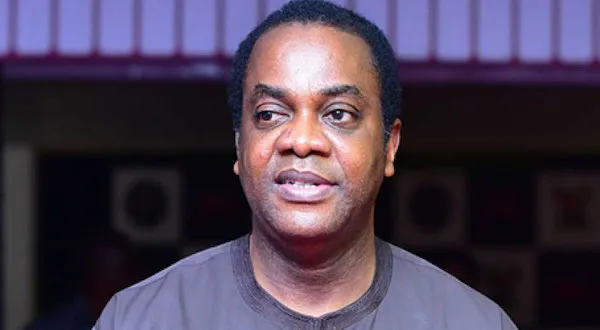
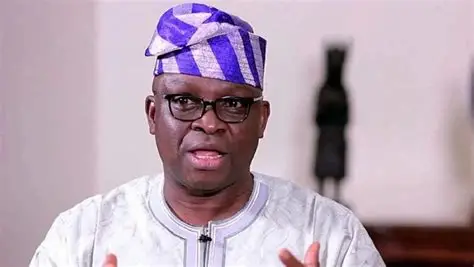
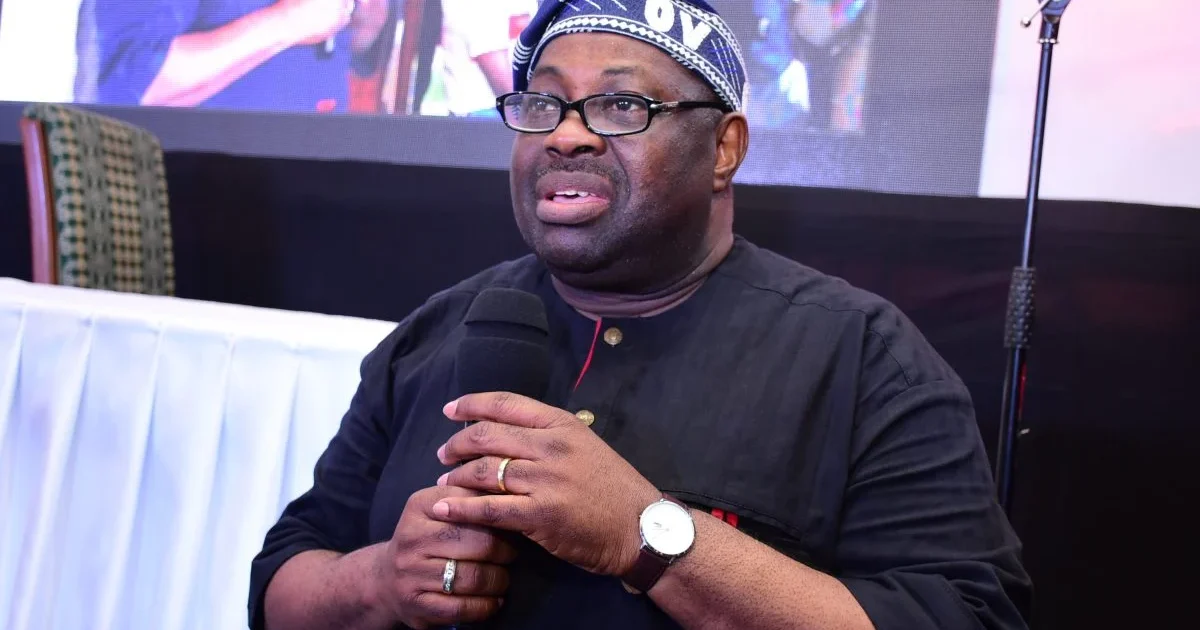
The same issue applies to other candidates in the coalition’s discussions, like former Cross River State Governor Donald Duke and former presidential candidate Adewole Adebayo, who are also in the race under the PRP and SDP, respectively.
Tight Timeline for a Common Candidate
Beyond political disagreements, the opposition parties face a legal and electoral timeline that could make it harder to agree on a common presidential candidate. Under Section 31 of the Electoral Act 2026, a candidate wanting to withdraw must submit a notice and sworn affidavit through their party to INEC at least 90 days before the election.
For the 16 January 2027 presidential election, the deadline was 18 October 2026. This presents a challenge for a common candidate from the coalition.
Section 33 also limits parties from changing their nominated candidates unless it’s due to death or withdrawal. This means the parties can’t just swap their presidential candidates through their usual processes now.
A formal merger of parties is also a separate process that needs nine months’ notice and INEC approval. This is important because the coalition’s proposed cooperation doesn’t require a merger or candidate replacement. They can still coordinate campaigns, endorse a candidate, and work together while keeping their individual identities.
But this arrangement wouldn’t automatically remove other candidates from INEC’s list or create a single ticket.
Adebola Bakare, a political scientist at the University of Ilorin, said the opposition’s efforts to create a coalition could improve their chances against the incumbent. But he warned that personal ambitions could disrupt the plan.
Bakare said the coalition is a positive step, but the individual goals of the parties and their candidates may complicate arriving at a common agreement.
He pointed out that the candidates have already built political structures and gained trust from their parties, making it hard for them to drop their ambitions for someone else.
“All the presidential candidates have political structures, and nothing made them candidates other than the confidence of their parties that this is the person they believe can execute their mandate,” he said.
He also warned that choosing a common candidate could lead to more disagreements, especially over who that candidate would be.
“What will happen after they agree on a common candidate is just the start of another disagreement, because then the question becomes: who will it be?” he said.
Bakare also highlighted the legal implications of the proposed alliance. The parties must clarify what kind of electoral cooperation they want and how they will deal with their separate nominations.
Learning from 2023
The opposition's renewed push for a common platform is largely shaped by the 2023 presidential election’s outcome. That election saw the major opposition parties fail to agree on a joint candidate, leading to separate battles against the APC.
In that election, PREMIUM TIMES reported that Tinubu defeated 17 other candidates with 8,794,726 votes. Atiku got 6,984,520 votes, while Obi polled 6,101,533 votes. Rabiu Kwankwaso of the New Nigeria Peoples Party received 1,496,687 votes.
The combined votes of Atiku, Obi, and Kwankwaso exceeded 14.5 million, which is significantly more than Tinubu’s total. While this doesn’t prove those votes would have gone to a single opposition candidate, it shows the support spread across different parties.
This experience has strengthened arguments among opposition politicians that better coordination could help them challenge the ruling party.
Bakare noted that the current coalition is a lesson learned from their separate presidential bids against the APC in 2023.
“I believe the coalition structure they are building now was informed by the 2023 presidential election when all the parties contested under their respective parties,” he said.
Yet, the 2027 election comes with different political calculations. The opposition is not just trying to convince parties to drop their separate platforms. They also need to find a way to satisfy politicians who already have presidential tickets and campaign structures.
So, the challenge is not just finding a candidate with broad appeal. It’s also about creating a process that other candidates and their supporters would see as fair.
Without such a process, experts say an endorsement of one candidate could happen on paper but might not get real support from those who still have their own tickets.
A Critical Test for Agreement
The coalition’s 30 November summit will be a key test of whether its members can move beyond discussions and set up real ways to work together.
Lukman, in an interview, said the coalition has created three documents: the National Covenant for Democratic Renewal, the Framework for Opposition Unity, and the National Reform Programme.
“They have already agreed that 30th November will be the day they will publicly sign it,” he said.
This framework is expected to set basic rules for cooperation and ways to handle disagreements. The reform programme will outline minimum policy commitments expected from any government formed by the coalition.
Lukman also mentioned that the parties were looking into joint campaigns and sharing resources to secure votes at polling stations, especially where individual parties lack enough agents.
These plans could form the basis for cooperation even if the parties don’t agree on a common presidential candidate.
Lukman also pointed out that the coalition needs to show how its commitments can be put into practice, including how to solve any disagreements that arise.
But there are still questions about how this new agreement relates to the five documents that were initially discussed at the coalition’s 31 August summit.
Those earlier proposals included a Single-Term Transition Charter and a Roadmap to a Common Presidential Candidate, but it’s unclear what their status is now. The coalition has not clarified whether the three new documents replace, combine, or build on the earlier proposals.
The lack of a clear way to choose a common candidate is particularly important because it deals with the most sensitive part of the alliance. Lukman has admitted that the coalition has yet to agree on this process, and the presidential candidates must be directly involved in the talks.
Drop your comment
No comments yet — be the first to drop the gist 👇