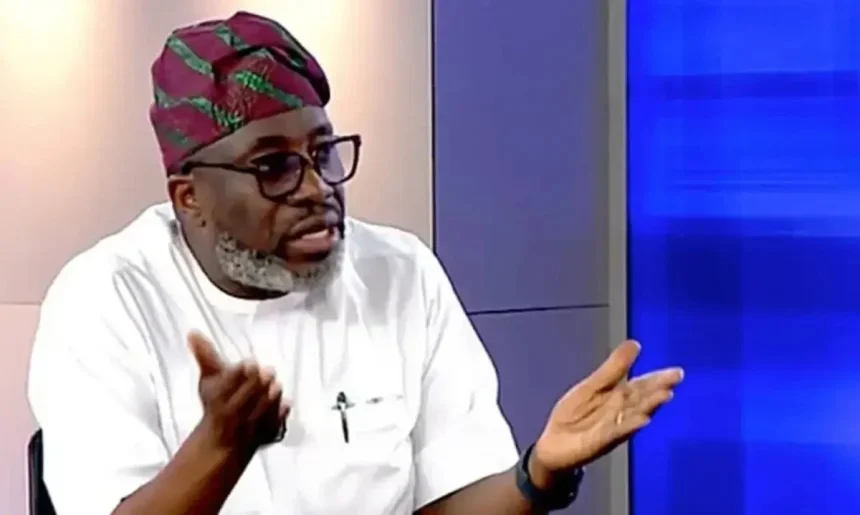
A leader of the Peoples Democratic Party, Otunba Segun Showunmi, has called on political leaders, traditional rulers, scholars, and young people in Northern Nigeria to focus on human development, accountability, and economic empowerment. He warned that the region might miss another chance to improve its situation.
Showunmi made this appeal in an open letter titled A Letter to This Generation of Arewa: Will the North Miss History Again? He shared a copy with journalists on Saturday. He pointed out that ongoing poverty, insecurity, educational issues, and lack of economic chances needed immediate attention from both the region's leaders and citizens.
He stated that Northern Nigeria cannot make real progress if regional identity is used to protect political leaders from criticism or to stop citizens from demanding accountability. He emphasized that the region should look beyond political loyalty and judge its leaders based on real changes in the lives of the people.
He said, "Today, when I look at the scale of the challenges confronting Northern Nigeria, I cannot help but ask myself: What happened to us? How did we arrive at this point? And why have we not summoned the collective courage to confront those responsible for the decisions and failures that brought us here?"
Showunmi continued, "I cannot look at the child who should be in school but is not, and feel indifferent. I cannot think of a farmer who should be cultivating his land but is afraid to return to his farm. This mother struggles to feed her children, the young man who has become vulnerable to recruitment into violence because opportunity has abandoned him, or the family forced to flee its home, and pretend that these are merely statistics."
"Behind every statistic is a human being. Behind every percentage point is a life. Behind every development ranking is a child whose opportunities may have been narrowed before that child even understood what opportunity meant. And behind the enormous human-development challenges of Northern Nigeria are questions of leadership, public policy, institutional responsibility, and the choices that generations have made or failed to make."
Showunmi insisted that Northern Nigeria has the human and material resources needed to achieve real progress but has not yet reached its potential. He blamed the region's problems on leadership choices, public policies, weak institutions, and the inability of past generations to tackle old issues effectively.
He questioned how political leaders could celebrate electoral wins while many communities still suffer from insecurity, poor education, and few economic opportunities. "The tragedy of Arewa is not that its people lack potential. The tragedy is that so much of that potential remains unrealised while the cost is paid by generations who had no part in creating the circumstances that constrain them," he said.
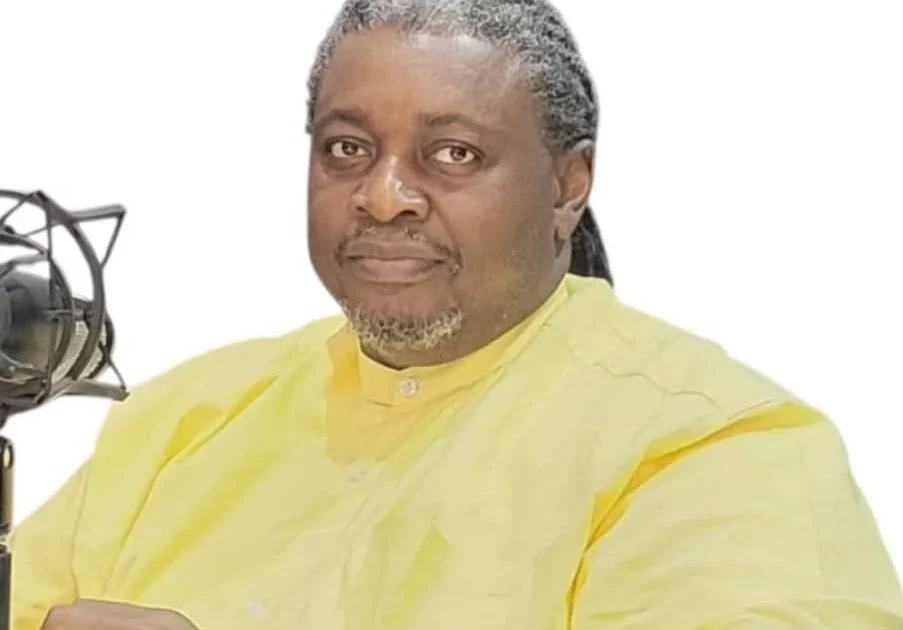
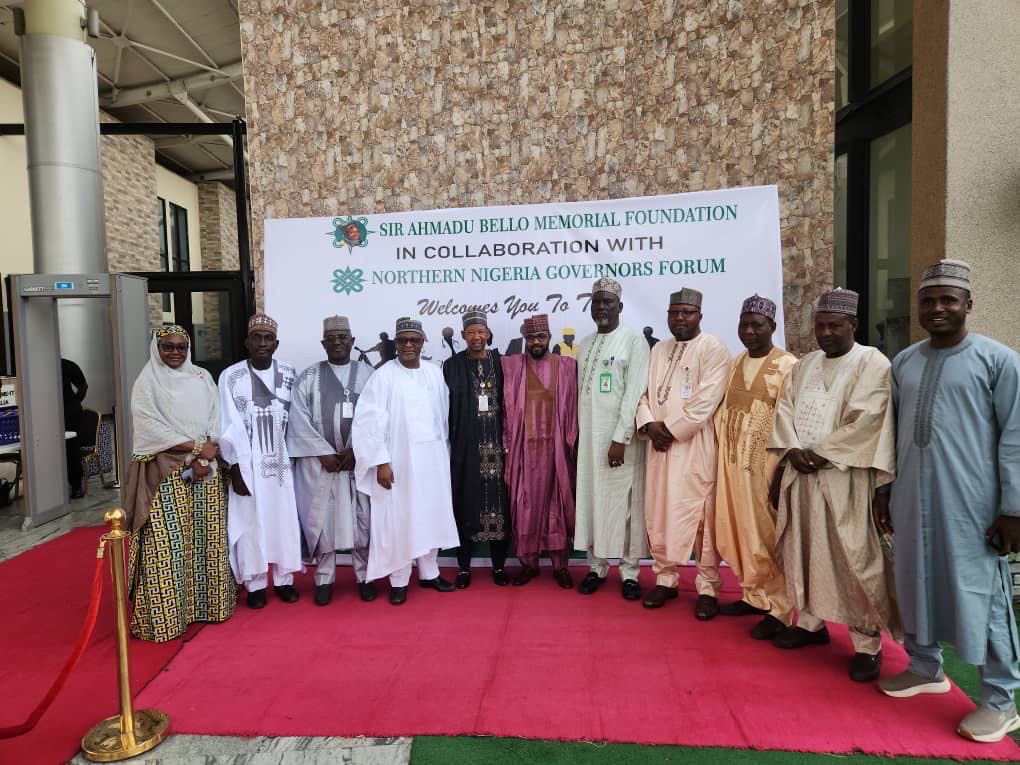
The letter also looked back at the legacies of the late Premier of Northern Nigeria, Sir Ahmadu Bello, and former Prime Minister, Sir Abubakar Tafawa Balewa. Showunmi urged the current generation to measure its performance against the dreams set by these founding leaders.
He asked what explanations today's Northern leaders would give for the region's ongoing development problems if they were asked to account for their actions. He added, "This region must focus on building institutions, improving governance, and expanding opportunities for its people instead of relying on historical achievements to justify its present circumstances."
He urged Northern Nigerians to prioritize the long-term welfare of the region over party politics and individual leaders' ambitions. He stated that the region's future relies on its willingness to face hard truths, demand accountability, and take chances to better the lives of its people.
Regarding President Bola Tinubu’s administration, Showunmi recognized that the Federal Government has started major economic reforms aimed at fixing structural weaknesses in the economy. He noted that these reforms have also caused significant immediate hardships for vulnerable households.
He stated that the reforms should be judged based on how they are put into practice, the results they achieve, and their ability to improve the living conditions of regular Nigerians. Among the questions he raised were whether the policies would encourage investment, raise productivity, strengthen public finances, create jobs, and help the government fund essential infrastructure and public services.
Showunmi concluded by saying Northern Nigeria must also get its people ready to take advantage of any economic opportunities that come from the reforms.
Drop your comment
No comments yet — be the first to drop the gist 👇