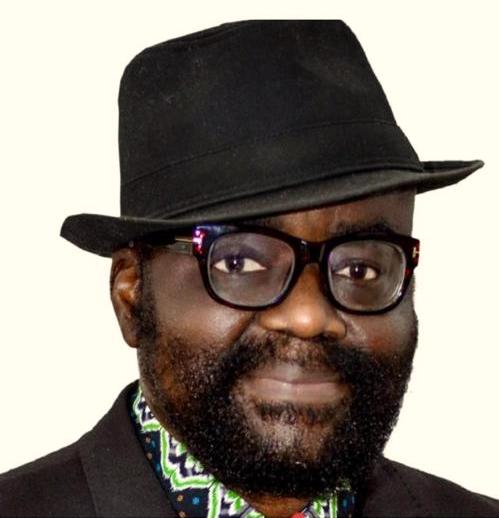
The ‘Rumble in the Political Jungle’ is set for 16 January 2027. Just like the famous boxing match in 1974, political battles are heating up in Nigeria. Right now, political parties are embroiled in serious internal conflicts. After nominations and the Independent National Electoral Commission’s (INEC) validation, party members are ready to fight for their positions. If you are not in the spotlight now, who will remember you when your party wins?
APC
Internal issues in major political parties often come from leadership fights, faction rivalries, and candidate selection issues. I mentioned earlier how Ovie Omo-Agege, a former deputy senate president, left the APC to join the NDC. His journey shows how politicians move between parties for their interests. Omo-Agege began his career in the Peoples’ Democratic Party (PDP). He then went to the Labour Party before joining the APC, where he became deputy senate president and was close to former president, Muhammadu Buhari. But when his state governor, Rt Hon Sheriff Oborevwori, joined the APC, Omo-Agege felt he had to leave for NDC.
This story is similar for many politicians across various parties.
In the APC, there are tensions between northern factions and southern leaders. Key figures in the party have warned that local stakeholders should not undermine the interests of governors or the presidency. With many opposition governors joining the APC, the party faces challenges managing this influx. Reports suggest conflicts over rewards, appointments, and campaign office allocations between long-time APC members and newcomers.
Some members are also quietly criticizing the different groups campaigning for President Tinubu’s son, Seyi, and his wife, Remi. They believe the resources used by them should have gone to the party instead. But when you look closely, it’s clear that these critics want a piece of the pie.
The biggest noise in the APC now comes from the rainbow coalition formed by FCT minister, Nyesom Wike, to support President Tinubu in Rivers State and Abuja. The tension between APC leaders and Wike’s coalition is noticeable. Wike’s Rainbow Coalition is a cross-party alliance that aims to support President Tinubu’s re-election while allowing members to compete for other positions under their party banners.
Wike, known for his tough style, is seen with suspicion, even if he is committed to Tinubu’s cause. President Tinubu has handled the situation well so far, but he will need to mend fences as the elections approach to present a united front.
ADC
The African Democratic Congress (ADC), along with former Vice President Atiku Abubakar and their coalition, faces several challenges. Party discipline issues are causing crises, suspensions, and disputes within state chapters. There is also friction within the coalition as they try to bring together diverse interests, former PDP members, and other groups under the ADC.
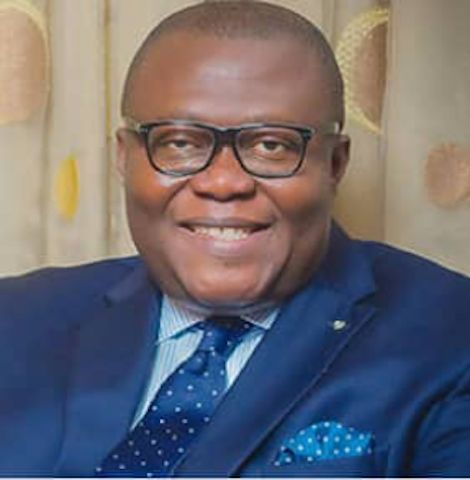
Funding and logistics are additional problems. The ADC has faced public scrutiny over campaign logistics and administration. Opponents claim the party is struggling financially and that staff are not getting paid, but the ADC denies these claims. There are also questions about what the ADC stands for, aside from being a path for Atiku to Aso Rock.
The ADC has spoken out on the subsidy issue but lacks clear plans on how it would manage the economy differently if it wins in 2027. Its messaging has been inconsistent. The party needs to balance criticizing the current economic situation with convincing voters that they have a better plan for change.
NDC
Peter Obi and the Nigeria Democratic Congress (NDC) are also facing internal struggles due to merging various political factions and grassroots groups. The Obi-Kwankwaso (OK) Movement has challenged the party leadership, criticizing the late release of the NDC’s Presidential Campaign Council list. They question the party’s readiness and strategy, claiming the leadership has delayed necessary campaign actions.
There is tension between grassroots supporters and the traditional NDC leaders. Grassroots members worry that established party figures may sideline them, leading to power struggles in campaign strategy. Neither Peter Obi nor Rabiu Musa Kwankwaso can be blamed solely for the NDC's struggle to integrate politicians from different backgrounds into a single structure.
There are real disagreements on how the NDC should operate. Should it have a centralized command or function as a mass movement? Traditional leaders prefer a top-down approach, while Obi’s campaign focuses on broad engagement. This clash continues to create issues within the coalition.
Other smaller parties have their own challenges too. How they tackle these issues will influence the final results.
Rope-a-Dope
From the Rumble in the Jungle, we learned that Muhammad Ali faced a powerful opponent and had to change his strategy. He created the rope-a-dope to survive. As we look to the 2027 elections, could social media and AI be the rope-a-dope strategy that defines the contest?
Drop your comment
No comments yet — be the first to drop the gist 👇