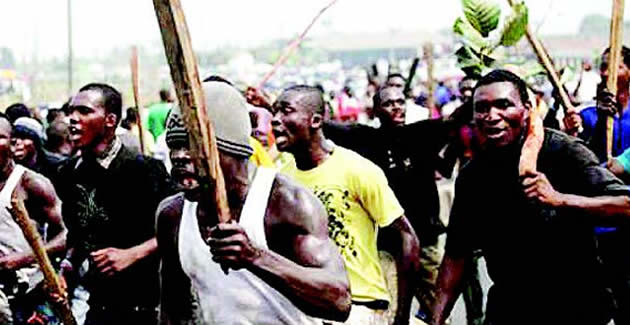
Political violence is increasing across Nigeria as the 2027 general elections approach. The violence has risen sharply since political campaigns started on August 19.
The Kimpact Development Initiative reported 124 incidents of political violence, leading to 22 deaths across 35 states and the Federal Capital Territory from July 1 to November 23, 2026. The violence included physical assaults, property destruction, shootings, and harassment. States like Kano, Delta, Rivers, Edo, Ondo, Lagos, and Kebbi were affected.
The National Peace Committee also found 109 violations of the National Peace Accord in 26 states and the FCT during a monitoring exercise from August 19 to October 27. Political violence and thuggery made up 33 incidents, while misinformation accounted for 29.
A recent attack on the campaign team of Ovie Omo-Agege, a former Deputy President of the Senate, in Uduere community, Ughelli North Local Government Area of Delta State, killed six people. Omo-Agege is with the Nigeria Democratic Congress. Among the dead were Moses Anaughe, a former member of the Delta State House of Assembly, and youth activist Akima Efemena.
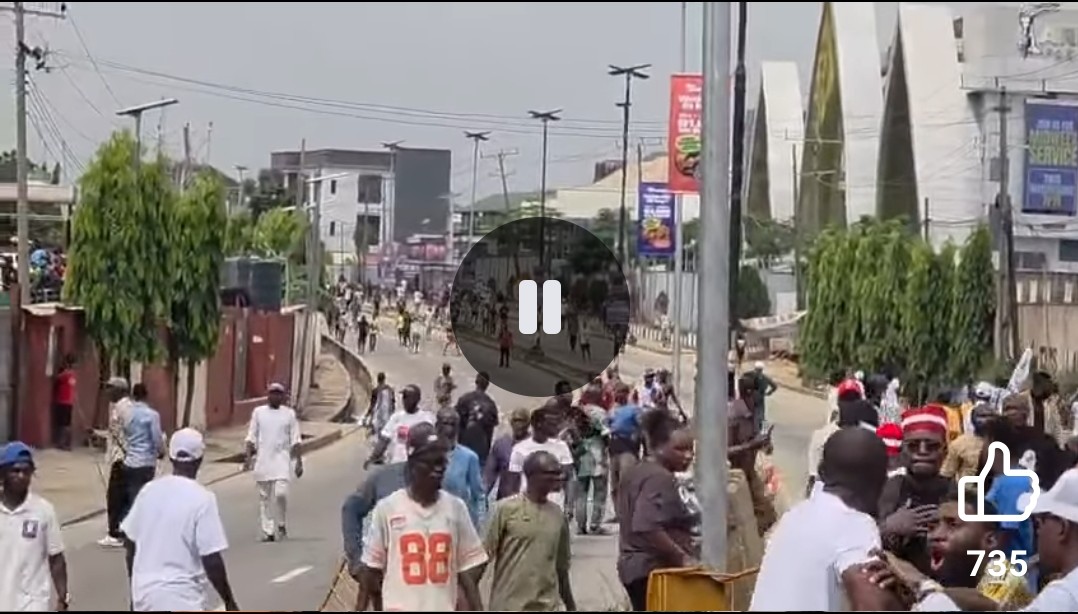
On Wednesday, a shooting on Airport Road in Benin City, Edo State, injured at least one person as supporters gathered for the arrival of the party's presidential candidate, Peter Obi. Other recent incidents included an attack on an NDC town hall meeting in Oregun, Ikeja, Lagos, on November 12, and an attack on NDC vice-presidential candidate Rabiu Kwankwaso in Bichi, Kano State.
Obi's convoy was also attacked in Calabar, Cross River State, while armed men invaded an NDC campaign office in Enugu, killing a party member. In Kebbi State, police reportedly fired tear gas at a building where Atiku Abubakar, the African Democratic Congress presidential candidate, and his team were staying. The Peoples Democratic Party in Ekiti State said political thugs attacked its deputy governorship candidate, Deji Ogunsakin.
The ruling All Progressives Congress is not safe from the violence either. President Bola Tinubu's motorcade was attacked on November 13 after he attended Jumat prayers at the Shehu Shagari Central Mosque in Garki, Abuja.
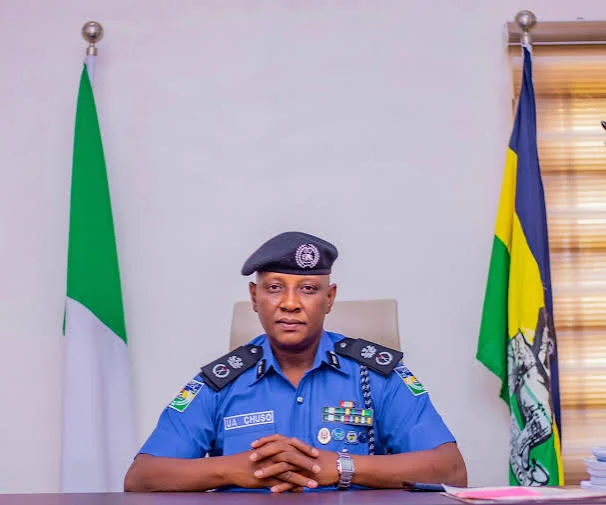
The violence is alarming, especially with the presidential election set for January 16, 2027. Former Chief Justice of Nigeria, Olukayode Ariwoola, warned against the rise in violence and destruction of property. He said Nigeria must avoid a repeat of the bloodshed from the 2011 general elections. The Inspector-General of Police, Olatunji Disu, also warned politicians against sponsoring attacks during campaigns, promising to prosecute anyone involved, no matter their status.
Political violence is not new in Nigeria. The 2011 general election was the deadliest in the Fourth Republic, with over 800 deaths in three days of post-election violence across 12 Northern states. The 1964/1965 elections also saw widespread intimidation and killings, including the infamous 'Operation Wetie.' The 2003 and 2007 elections also had political assassinations and violence, with more than 100 and at least 300 deaths respectively.
But why does every election cycle have to bring killings and intimidation? Political analysts and security experts say the desire for power, economic benefits from public office, and the failure to punish offenders are major causes of the violence.
Analysts say the constant use of violence is tied to the huge economic benefits that come with political offices. They argue that politics is now seen as a path to wealth and influence. Professor Odion Akhaine from Lagos State University described violence as a result of Nigeria’s economic and social issues. He said, "Politics is the only game in town. It is the only avenue for quick money."
He believes that better opportunities in other professions could draw people away from politics. "Other jobs should offer more rewards than politics, which should be about service, not money," he said.
Legal expert Olu Abiala argued that the financial allure of political office has turned politics into a high-stakes game. "The most profitable job today in Nigeria is politics," he said, noting that this encourages political actors to use underhanded tactics against opponents.
Abiala suggested reducing the financial rewards of political positions to lessen election-related desperation. He believes making politics more about public service would help.
Experts also point to intolerance and the drive to win at all costs as major factors behind the violence. Resident Electoral Commissioner for Ondo State, Mutiu Agboke, said the desperation among political elites contradicts democracy. "Everyone is desperate to win at all costs. This goes against the spirit of democracy," he said.
Agboke also said inflammatory remarks and provocative speeches worsen political tensions. He urged leaders to be responsible for their words. "Today, inflammatory comments and provocative speeches are key causes of violence. We must all shun them," he added.
He believes Nigeria needs a democratic culture where political opponents can disagree without becoming enemies. "We can do better by creating a local democratic culture without hatred," he said.
Former police spokesperson, CSP Adekunle Ajisebutu (retd.), connected political violence to the desperation for power, lack of trust, and political immaturity. He noted that while Nigeria's democracy is established, the political actors have not matured. "Simply put, our democracy is mature, but the players are not," he said.
The President of the Committee for the Defence of Human Rights, Yinka Folarin, said violence is used by some politicians to undermine Nigerians' right to vote freely. He said using thugs and intimidation aims to manipulate elections and impose leaders against the wishes of the people.
"Democracy cannot thrive where violence replaces persuasion, and intimidation replaces participation," Folarin said. He added that unresolved political issues and lack of trust in electoral bodies have weakened democracy.
A researcher at the Nigerian Institute of International Affairs, Olufemi Otubanjo, said hostility during campaigns has roots in history. He shared his experience in the Peoples Democratic Party, recalling how singing abusive songs against opponents was considered normal.
He traced this back to the First Republic, when political parties used songs to mock opponents. "They sang aggressive songs that could lead to violence. If you are singing abusive songs about your opponent and your campaign trains meet, a clash is likely," he said.
Otubanjo noted that such hostility makes campaigns confrontational, increasing clashes between supporters. Criminologist Oyesoji Aremu said vulnerable youths are exploited by politicians to intimidate opponents and cause violence.
He said the political class protects those who commit violence, letting it continue. "Political violence and thuggery are sadly part of our political climate, as the political class sees it as a tool to win elections," Aremu said.
He warned that youths involved in electoral violence might turn to other crimes after elections. "After elections, these youths often get involved in banditry and kidnappings to survive," he said.
Otubanjo also recalled that political parties have historically used thugs as informal security during campaigns due to fears of attacks. "They don't rely only on police because they expect their rivals to have thugs too," he said.
Former National Vice Chairman of the All Progressives Congress, Bankole Oluwajana, linked this practice to the First Republic when political leaders had private armies. He described the current situation as a revival of that trend.
"It seemed like thugs were private armies for their leaders. What is happening now is a resurgence of that practice," Oluwajana said. He called for more public awareness campaigns to prevent youths from being used for political violence.
Aremu criticized the criminal justice system for failing to deter political thuggery, especially since political sponsors often protect those who carry out attacks. He urged the Independent National Electoral Commission and the police to use their powers to enforce the Electoral Act 2026.
"INEC and the Police can prosecute and arrest those involved in political violence, but they have not been doing so," Aremu said.
Otubanjo emphasized that accountability is vital to controlling violence. He said security agencies must investigate attacks and prosecute those responsible. "What matters is accountability," he said.
He acknowledged that the police might face accusations of bias but said that should not stop them from doing their jobs. Ajisebutu also called for the arrest and prosecution of offenders regardless of their political ties, stressing the need for justice.
Folarin insisted that accountability should also reach the politicians who fund and organize attacks. He warned that letting influential politicians escape punishment encourages more violence and weakens trust in democracy.
Professor Akhaine called for fair security operations and more involvement of religious groups in public education against violence. He warned that not having enough security personnel might limit effective responses nationwide.
Ajisebutu urged better cooperation among security agencies, emphasizing professionalism and law enforcement. He also recommended public awareness involving INEC, the National Orientation Agency, religious groups, parents, and youth organizations.
Folarin insisted that security agencies must serve the people, not political officeholders. "Security agencies must enhance their capacity and show neutrality and professionalism," he said.
He also urged INEC to strengthen its independence and ensure electoral transparency and integrity, saying this is key for the credibility of the 2027 elections.
However, INEC REC Agboke warned against placing all the blame for violence on INEC and security agencies. He said political parties and candidates must look at their actions and take responsibility for the tensions they create.
"Who spreads negativity in politics? The political class. Who orchestrates violence? The political class. Who fans hatred and division? The political class," he said.
Agboke insisted that elections must be decided by votes, not intimidation or money. "Only the votes of the people should determine the election outcome. Not violence. Not vote buying," he said.
Oluwajana called for ongoing public awareness campaigns to discourage political thuggery. Otubanjo stressed the need for consistent law enforcement, urging police to prosecute offenders regardless of their political connections.
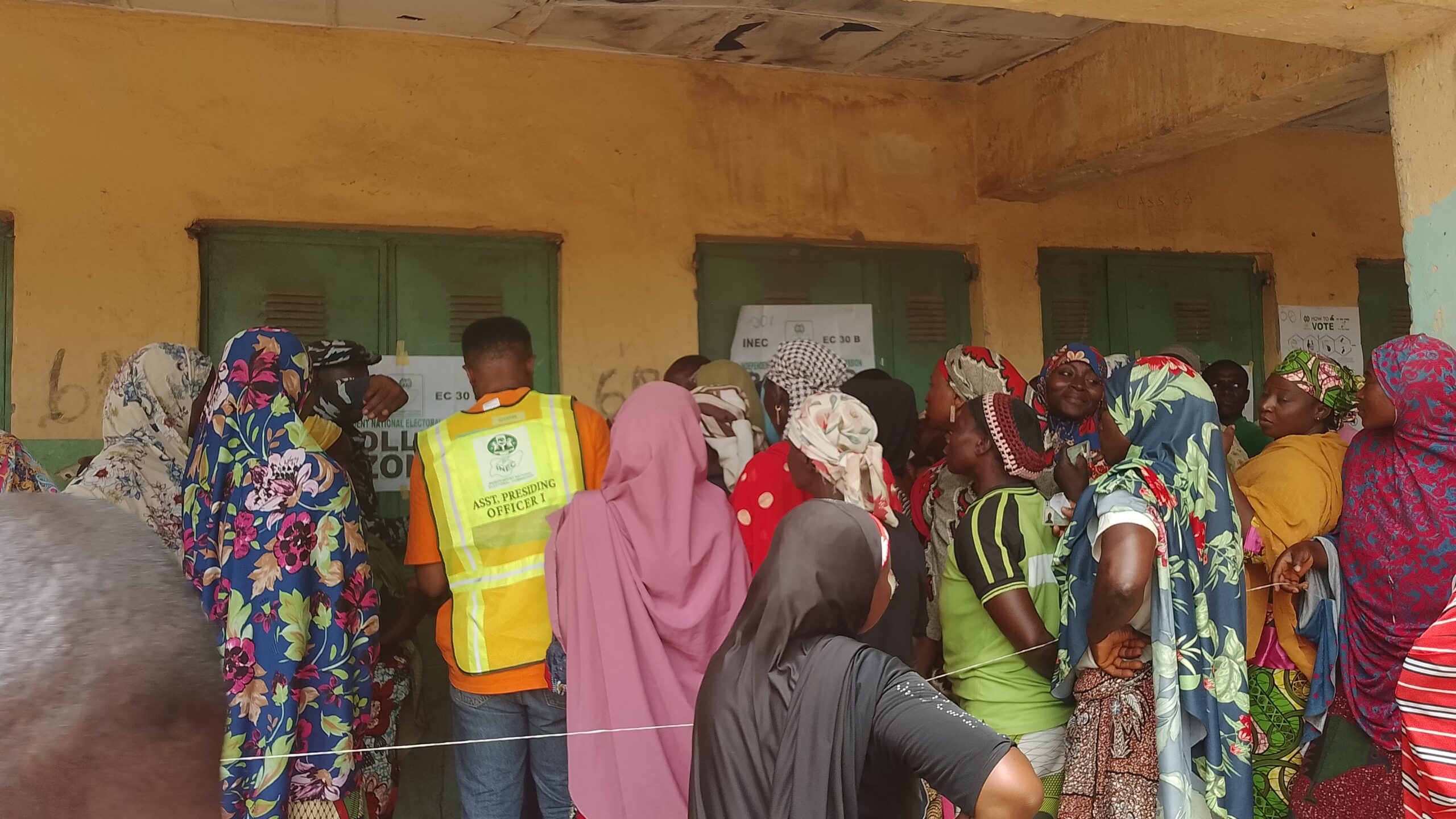
He believes credible electoral administration, with technology like BVAS and the INEC Result Viewing Portal, could reduce chances for manipulation and violence.
Folarin recommended national dialogue, peacebuilding efforts, and early-warning systems to spot potential violence before it happens. He urged governors and politicians to accept differing views, while opposition parties should show restraint for national stability.
"No political ambition is worth the blood of any Nigerian, and no political victory is worth destroying our democracy," Folarin said.
Ajisebutu believes that Nigeria's democratic experience has not led to maturity among politicians, especially in how they treat opponents.
Folarin said this situation shows a failure to uphold democratic values, like respecting the law and ensuring fair elections.
"The ongoing political violence raises serious questions about our democracy's maturity and strength," he said.
He warned that this trend threatens democracy, national unity, and security, especially when political goals come before the common good.
Otubanjo argued that democracy should be viewed as a process that improves over time.
He pointed to advancements in electoral administration, especially technology that has allowed opposition candidates to win in areas previously seen as strongholds of the ruling party.
"Democracy is a work in progress. We are always trying to improve it. The 2023 election was better than before," he said.
Otubanjo noted the Bimodal Voter Accreditation System and the INEC Result Viewing Portal as key innovations that could boost electoral transparency and public trust.
Agboke believes Nigeria can develop a better democratic culture by encouraging tolerance and reducing hostility among political opponents.
Drop your comment
No comments yet — be the first to drop the gist 👇