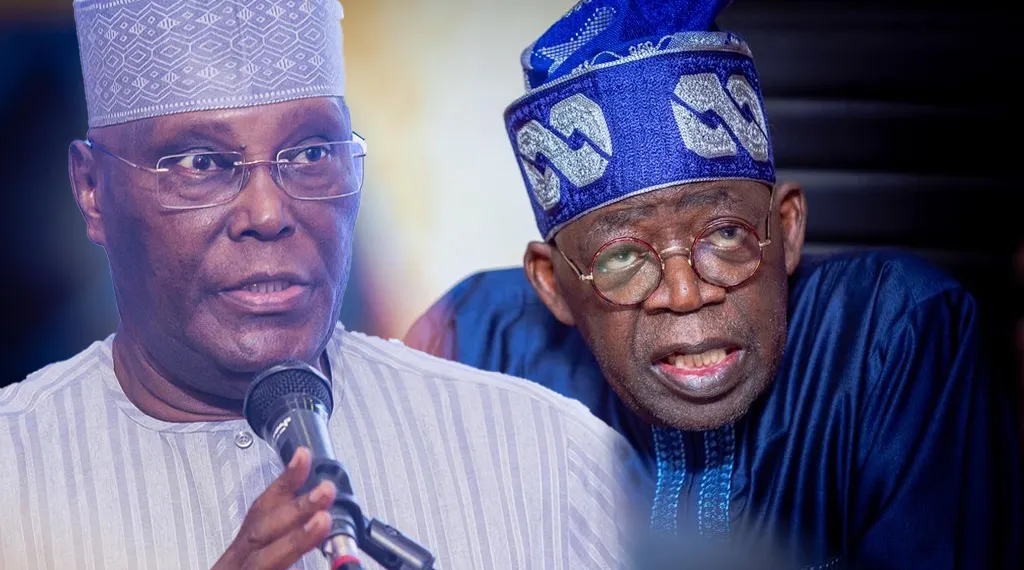
The presidency has again criticized Atiku Abubakar, the presidential candidate of the African Democratic Congress (ADC). Atiku has promised to bring back petrol subsidy if he wins the presidency in 2027.
Presidential spokesperson Bayo Onanuga said Atiku's stance shows he either does not understand the policy he is suggesting or is just playing politics with the Tinubu administration’s decision to remove petrol subsidy.
Onanuga said that removing the subsidy has greatly improved the financial situation of the three tiers of government and helped stabilize the economy. He made this known in a statement on Wednesday in response to Atiku’s recent comments about petrol subsidy. Atiku, a former vice president, has proposed a “targeted subsidy” to make transport more affordable for Nigerians if he becomes president.
President Bola Tinubu, who defeated Atiku in the 2023 presidential election, announced the removal of petrol subsidy on his inauguration day in May 2023. Atiku has been seeking Nigeria’s presidency since 1993, having attempted it six times before now. He had previously supported the removal of petrol subsidy during some of his campaigns.
But his stance has changed after many Nigerians criticized the Tinubu administration’s subsidy removal. Many blame it for worsening living conditions and raising prices of goods and services. Onanuga said Atiku's shift in position on subsidy removal shows he is playing politics and is confused about the policy he is suggesting.
“Atiku confused on petrol subsidy; third U-turn in one week shows he is simply playing politics. The latest comments by former Vice-President Atiku Abubakar on petrol subsidy raise a fundamental question: is he seriously proposing an economic policy, or is he simply playing politics with the temporary discomfort Nigerians face?” he asked.
Onanuga said the different statements from Atiku and his aides in the past week show that the former vice president’s campaign is still unclear on the issue. “In a week, Nigerians have heard three different explanations of what an Atiku administration would do about petrol subsidy. The confusion has now become impossible to ignore.”
He noted that Atiku’s spokesperson, Paul Ibe, first said that Atiku would restore petrol subsidy if elected and later phase it out. Ibe described it as a temporary measure to help Nigerians and businesses recover. Then, another aide, Phrank Shaibu, claimed Ibe’s statement was an “unauthorized and misleading characterisation” of Atiku’s position. Shaibu said Atiku would not set a date for ending the subsidy.
Instead, it would remain until domestic refining improves, supply stabilizes, and competition increases. But just hours later, Atiku himself stepped in and overruled that clarification. He insisted that his stance “has not changed” and that he would restore what he called a “targeted subsidy” if elected. He added, “I will restore targeted subsidy and put purchasing power back in the hands of Nigerians.” This shows a serious contradiction in policy.
Onanuga questioned why one of Atiku's senior aides contradicted the former vice president's stance on reversing subsidy removal. “If Atiku’s position has not changed, why did one of his principal aides say the subsidy would be temporary and phased out? Why did another senior aide publicly disown that explanation and provide a different framework?”
He also said Nigerians deserve clarity, not confusion. He argued that Atiku seems not to understand how the petroleum market works. He explained that petrol will not automatically become cheaper just because the government reinstates a subsidy. Factors like international crude oil prices, exchange rates, and refining costs all influence pump prices.
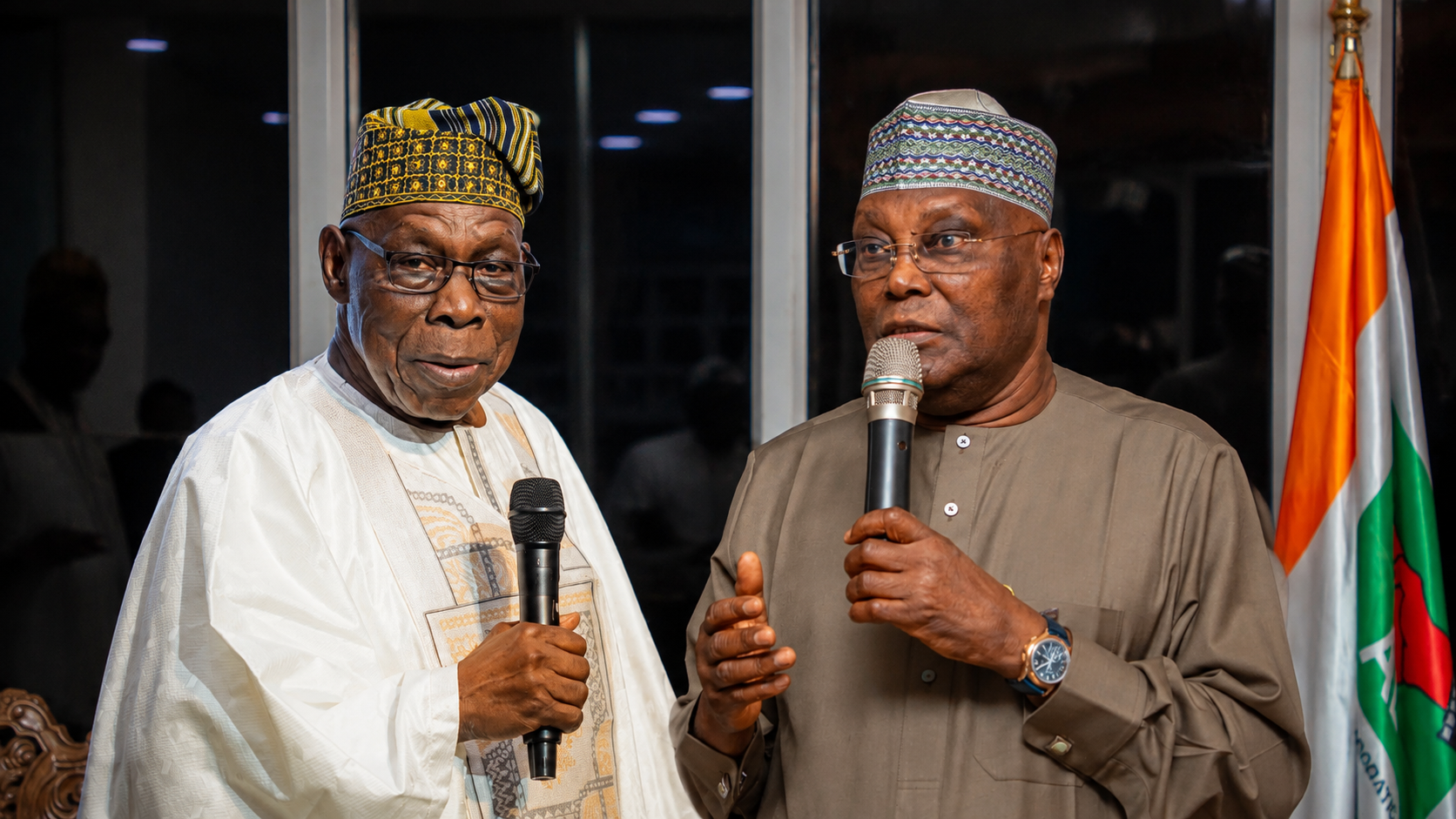
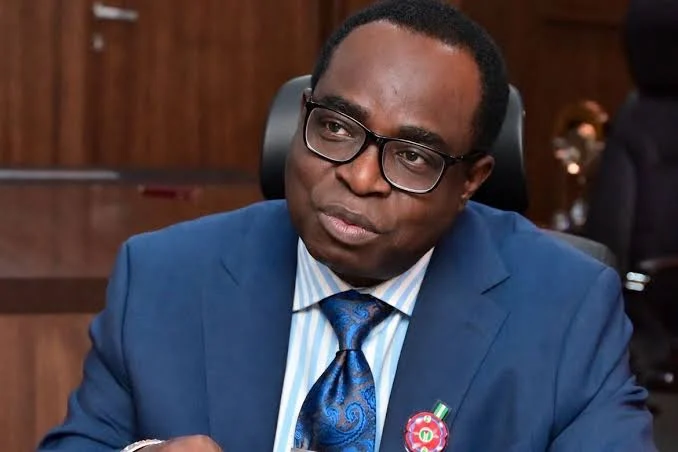
“More fundamentally, Atiku’s argument appears to misunderstand the dynamics of the petroleum market. Petrol does not become cheap simply because the government orders a subsidy or expects competition. Several factors, including international crude oil prices, exchange rates, and refining costs, affect pump prices.”
Onanuga also criticized Atiku’s claim that higher petrol prices lead to higher food prices and push families into poverty. He said petrol prices alone are not responsible for food inflation. He pointed out that Nigerians saw rising food prices even when the government was paying petrol subsidies.
“There is also a troubling oversimplification in Atiku’s argument that when fuel rises, transport rises. When transport rises, food rises. When food rises, families suffer. Of course, energy and transportation costs affect food prices. But petrol prices alone have never caused food inflation.”
He added that agricultural productivity, insecurity, and other factors also matter. A serious economic program should address these issues, as President Bola Ahmed Tinubu has been doing, rather than reduce the entire cost-of-living crisis to petrol prices.
Onanuga urged Atiku to stop changing his position and clearly explain what he means by “targeted subsidy”, how much it would cost, and how it would be funded. “We therefore urge Atiku to stop shifting positions and explain precisely what he means by 'targeted subsidy': how much will it cost, who will benefit, and how will it be funded?”
He stressed that Nigerians cannot afford another unclear and potentially costly subsidy system dressed in new language. The former vice president should be honest: either he has a solid and workable petroleum policy, or he is just playing politics with a policy that has improved the financial health of the government and stabilized the economy.
Onanuga also questioned whether Atiku would extend subsidies to other petroleum products like aviation fuel, kerosene, and diesel if he intends to subsidize petrol based on crude oil prices. He argued that Atiku’s proposal shows a lack of understanding of crude oil refining.
“Atiku says his subsidy will follow the barrel of crude. Is he aware that refined petrol only makes up 45 percent of the by-products of a refined barrel of crude? A barrel produces other products, such as aviation fuel, kerosene, and diesel, which were deregulated long ago.”
He explained that diesel accounts for about 25 percent of the barrel, while jet fuel and kerosene make up about 9 percent. Kerosene and jet fuel were deregulated in 2009, and subsidies were removed in 2016.
“About 10 to 15 percent of the barrel creates base ingredients for everyday goods. Asphalt accounts for about 2 to 4 percent. Will Atiku subsidize all these by-products as well? The former Vice President seems to lack basic understanding of his policy.”
Drop your comment
No comments yet — be the first to drop the gist 👇