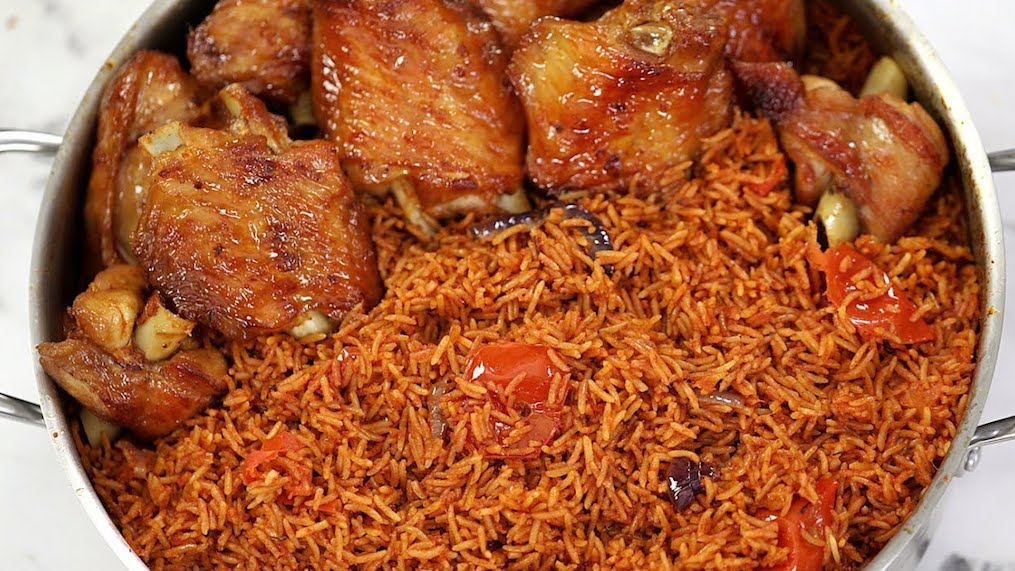
The average cost of making a pot of jollof rice in Nigeria went up from N25,798 in July 2025 to N29,578 in June 2026. This is an increase of 14.6 percent, according to a recent survey.
This information comes from the SBM Intelligence Jollof Index Q2 2026 report, named: “Rebasing, Redefining, and the Weather’s Toll on the Pot.”
SBM Intelligence, a research and data analysis firm, updated the index in July to a higher standard starting from July 2025. They also changed the way ingredients are measured.
The report says the index now better reflects how families are managing the current affordability crisis.
The study tracked monthly prices of 12 key ingredients: rice, vegetable oil, turkey or chicken, beef, tomatoes, pepper, onions, tinned tomatoes, salt, curry, thyme, and seasoning cubes from 13 markets across Nigeria’s six regions.
These markets included Nyanya and Wuse II (North Central), Bauchi (North East), Kano (North West), Awka and Onitsha (South East), Port Harcourt, Calabar Municipal, and Bayside Mbakpa (South South), as well as Bodija, Dugbe, Trade Fair, and Balogun (South West).
The report noted that the cost of jollof rice has not been steadily increasing since July 2025. Prices fell in September and October 2025 but rose sharply from November through the first half of 2026.
The index has jumped from N4,087 in July 2016 to N29,578 in June 2026. This is a huge increase of 624 percent over the past 10 years.
The SBM survey said, “The data confirms that food inflation is not a cyclical phenomenon but a structural crisis, embedded in Nigeria’s failure to secure supply chains, stabilise its currency, invest in agricultural resilience, and now adapt to a changing climate.”
In the second quarter of 2026, Nigeria's agricultural supply chain faced a severe crisis due to extreme weather and ongoing logistical issues, according to the report. Reports from markets in Port Harcourt, Calabar, Onitsha, Lagos, Ibadan, Bauchi, Kano, and Abuja showed ongoing food scarcity and fluctuating prices.
The National Bureau of Statistics (NBS) reported that Nigeria’s food inflation was at 17.52 percent year-on-year in June.
The report said, “The crisis has been most acute for perishable crops, particularly tomatoes and peppers, but its reach has extended to staples such as yams, plantains, garri, and even grains.”
It continued, “Across every region, the story is the same: heavy rains have flooded roads, damaged farmland, delayed harvests, and driven up transport costs. Consumers are adapting, but their options are narrowing.”
The report revealed that people are buying smaller amounts, switching fresh produce for dried or processed options, and cutting down on portions. “But these are coping strategies, not solutions,” it added.
The gap between the cheapest and most expensive markets in Nigeria has widened to N14,700. According to the SBM report, Calabar Municipal is the costliest place to prepare jollof rice at N34,750, while Awka is the cheapest at N22,050.
The report explained, “The most expensive markets are in the South South (where protein costs and import restrictions have surged) or in Lagos (the import gateway). The cheapest markets are in the South-east, which has benefited from local farming and shorter supply chains.”
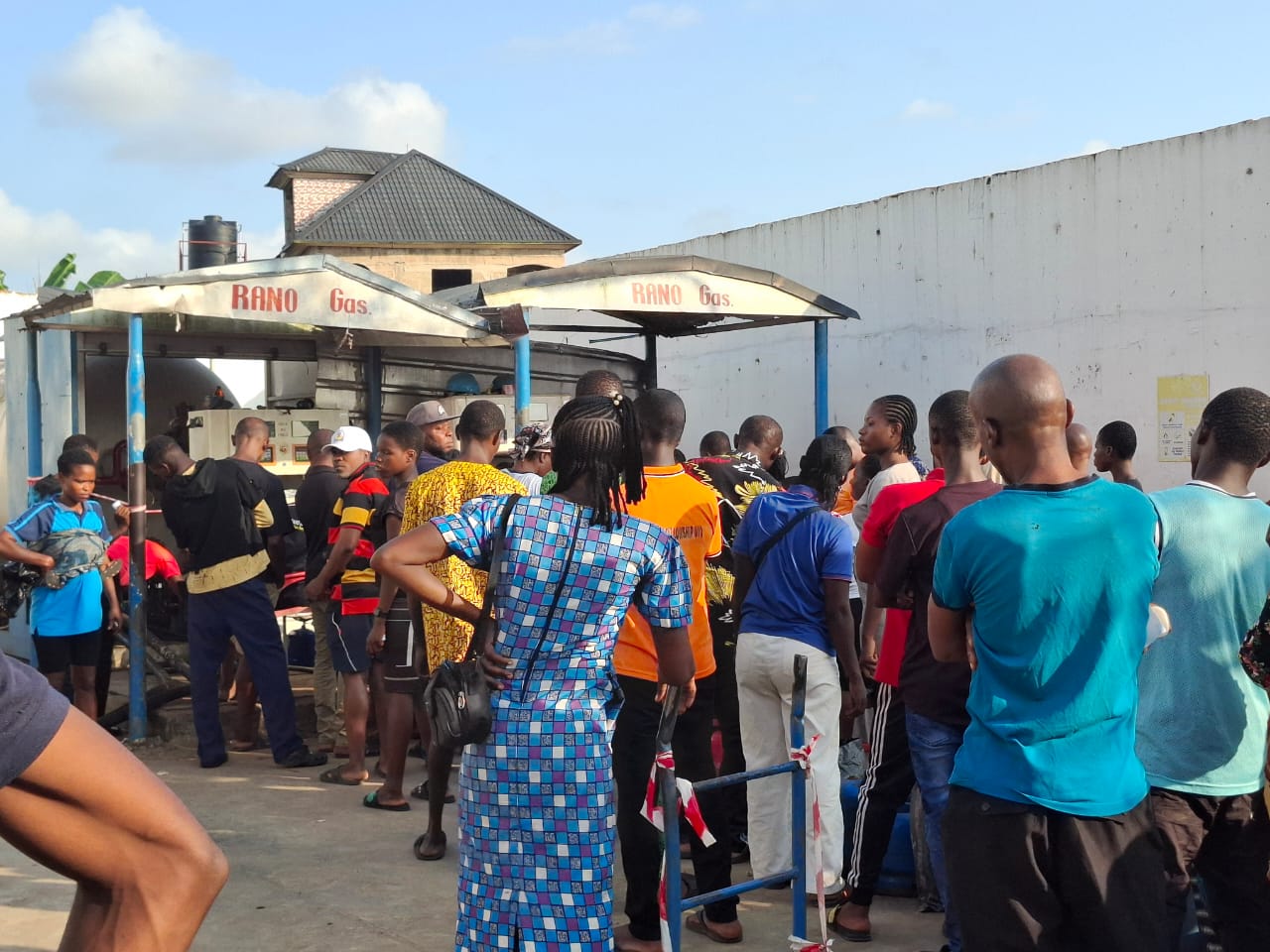

In North Central, prices of ingredients in Abuja’s Nyanya and Wuse II markets increased significantly over the year until June 2026. Nyanya saw a rise from N24,300 to N25,450, a 4.7 percent increase, while Wuse II went from N28,150 to N29,200, a 3.7 percent increase.
The report mentioned that Abuja’s food market is heavily affected by its need to depend on faraway supply routes. “Every grain of rice, every tomato, every onion must travel from Benue, Kaduna, Nasarawa, Niger, or beyond. When diesel prices surge, when insecurity blocks roads, when checkpoints multiply, or when heavy rains flood roads, Abuja’s markets feel it first and most acutely,” it said.
In the North-east, Bauchi saw the biggest price swing of any market. The index dropped from N38,850 in July 2025 to N32,350 by June 2026, a 16.7 percent decline. This drop followed a time of high inflation in mid-2025 when Bauchi’s index peaked over N41,000.
The report explained, “The decline reflects a combination of factors: a localised influx of early harvest yields, a collapse in demand as prices became unsustainable, and some improvement in supply routes.”
In the North-west region, Kano's Jollof Index rose from N24,520 in July 2025 to N25,820 in June 2026, a 5.3 percent increase. This modest rise highlights a deeper issue, as Kano's index has long been high due to expensive protein and logistical problems.
A cosmetics seller in Kano summed up the situation: “Customers will have less money to spend on beauty products when they are struggling to buy food.”
The South-east remains the cheapest region for jollof rice, but the gap with other areas is closing. At Awka, the price rose from N21,700 in July 2025 to N22,050 in June 2026, a 1.6 percent increase. Onitsha also saw a rise from N22,200 to N22,550, a similar increase.
These are the only markets below N23,000. The region’s affordability is due to its strong local farming culture and shorter supply chains, according to the report. However, it also pointed out that the South-east relies on food imports from North Central states for staples like yams and vegetables.
This reliance makes the region vulnerable to the same transport cost hikes affecting Abuja and Kano. The South-south region experienced the highest price increases, driven by structural changes, policy shifts, weather issues, and logistics costs.
Port Harcourt went up from N26,400 in July 2025 to N31,200 in June 2026, an 18.2 percent increase. Calabar Municipal jumped from N25,500 to N34,750, a 36.3 percent increase, while Bayside Mbakpa climbed from N25,500 to N34,650, a 35.9 percent increase.
The South-west region, especially Lagos, saw sharp price rises. The report noted the index price at Trade Fair and Balogun markets rose from N23,200 in July 2025 to N34,700 in June 2026, a 49.6 percent increase, the highest of any market.
The SBM report stated, “When global oil prices rise, when the naira weakens, when shipping costs increase, or when heavy rains disrupt supply routes, Lagos feels it first.”
In March 2026, the Iran war caused both markets to jump from N20,400 in February to N25,200 in March, a 23.5 percent increase in just one month. The upward trend continued through April, May, and June.
In Ibadan’s Bodija and Dugbe markets, prices increased from N25,930 in July 2025 to N28,550 in June 2026, a 10.1 percent rise. “The gap between Lagos and Ibadan has widened, reversing a trend of convergence seen in previous years. In Oyo State, researchers reported that fresh pepper, tomatoes, yam, and plantain are in extreme short supply,” the report concluded.



Drop your comment
No comments yet — be the first to drop the gist 👇