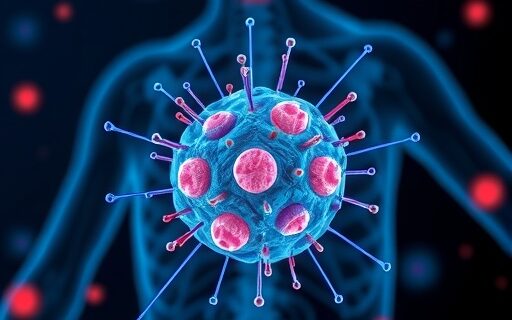
Cancer is a major cause of death around the world. Health experts say many cancer cases come from risk factors we can prevent.
The World Health Organisation (WHO) estimates that cancer caused nearly 10 million deaths globally in 2024. This means almost one in six deaths worldwide is due to cancer. WHO says about 38 percent of cancers can be prevented by avoiding known risk factors and using proven prevention methods.
In Nigeria, cancer continues to affect thousands of families each year. WHO reports that around 130,000 new cancer cases were diagnosed in 2022, with 80,000 deaths.
Cancer can happen for many reasons, like genetic changes, age, and environmental factors. But some known risks come from infections, substances, and habits that we can avoid.
In a recent health video, Nigerian doctor Chinonso Egemba, known as Aproko Doctor, pointed out some of these risks. They include hepatitis B, aflatoxin, tobacco, alcohol, and human papillomavirus (HPV).
Hepatitis B
Aproko Doctor warns that hepatitis B is very dangerous because it can stay in the body without showing symptoms while harming the liver.
"When it goes untreated and untested, it’s a virus that starts attacking your liver. Many Nigerians are living with it right now, and many don’t know because it can sit quietly inside your body for years without a single symptom," he said.
WHO backs this up, saying chronic hepatitis B can lead to cirrhosis and liver cancer. WHO estimates that 240 million people were living with chronic hepatitis B globally in 2024. This infection caused about 1.1 million deaths, mainly from cirrhosis and hepatocellular carcinoma, the most common form of primary liver cancer.
Hepatitis B can be prevented with vaccination. WHO recommends getting vaccinated as a key way to prevent infection and its long-term issues.
Aflatoxin in food
Aproko Doctor warns that cancer risk can start with badly stored food.
"Aflatoxin is basically a poison produced by fungus," he explained. This poison can affect foods like grains and groundnuts when stored poorly.
According to WHO, aflatoxins are a group of harmful toxins made by certain molds that contaminate food and can cause serious health problems like liver cancer. These toxins can spoil crops such as maize, sorghum, rice, and groundnuts. Exposure to aflatoxins can lead to liver cancer.
WHO advises throwing away any food that looks moldy, discolored, or shriveled, as mycotoxins can spread beyond what you can see. Aflatoxin exposure is even more dangerous for people infected with hepatitis B. WHO/FAO says hepatitis B infection helps aflatoxins cause liver cancer.
This shows that how we store and handle food can help in cancer prevention, especially in places where grains and other foods are kept for long in warm or damp conditions.
Tobacco smoking
Tobacco is one of the biggest cancer risks.
"Smoking generally, as long as you light it with fire and put it on your body, increases the risk of cancer, especially tobacco smoke," Aproko Doctor said.
He added that the danger is not just lung cancer. Tobacco smoke has cancer-causing chemicals that can harm cells in different parts of the body.

WHO says tobacco smoke has over 7,000 chemicals, with at least 69 known to cause cancer. Tobacco use is the biggest avoidable cause of cancer deaths worldwide.
Smoking can lead to cancers of the lung, mouth, throat, esophagus, bladder, kidney, liver, pancreas, stomach, colon, rectum, cervix, and blood, among others.
Alcohol
Alcohol is another known cancer risk. WHO confirms that drinking alcohol raises the risk of several cancers, including cancers of the mouth, throat, esophagus, liver, colorectum, and breast.
WHO also says there is no safe level of alcohol consumption regarding cancer risk.
"The more alcohol you drink, the higher the risk. But how much you drink and how fast the risk increases differs by cancer type," it noted.
WHO explained that alcohol makes it more likely to develop certain cancers, and the risk depends on how much you drink and other factors.
Human papillomavirus
According to Aproko Doctor, HPV is common, and some types can cause cancer, especially cervical cancer.
"In women, this particular HPV is responsible for cervical cancer," he noted.
WHO says persistent infection with high-risk HPV types causes nearly 99 percent of all cervical cancer cases. HPV is also linked to cancers of the vulva, vagina, anus, penis, and mouth and throat.
While HPV infection is very common, not everyone will get cancer from it. WHO states that about 90 percent of HPV infections are naturally controlled by the body, while high-risk types can lead to cancer.
WHO suggests a three-step strategy to prevent cervical cancer: vaccination, screening, and treatment.
Preventing Cancer
A 2026 global report by WHO and its International Agency for Research on Cancer (IARC) found that 37 percent of new cancer cases diagnosed globally in 2022, about 7.1 million cases, were linked to preventable causes.
Tobacco was the top preventable cause, making up 15 percent of all new cancer cases. Cancer-causing infections followed at 10 percent, and alcohol at three percent.
WHO advises avoiding tobacco, cutting back or avoiding alcohol, keeping a healthy weight, eating well, getting regular exercise, and getting vaccinated against cancer-causing infections like hepatitis B and HPV.
As Aproko Doctor said, knowing the risks is an important first step. "Don’t let anybody deceive you. Say no to smoking in any form," he said.




Drop your comment
No comments yet — be the first to drop the gist 👇