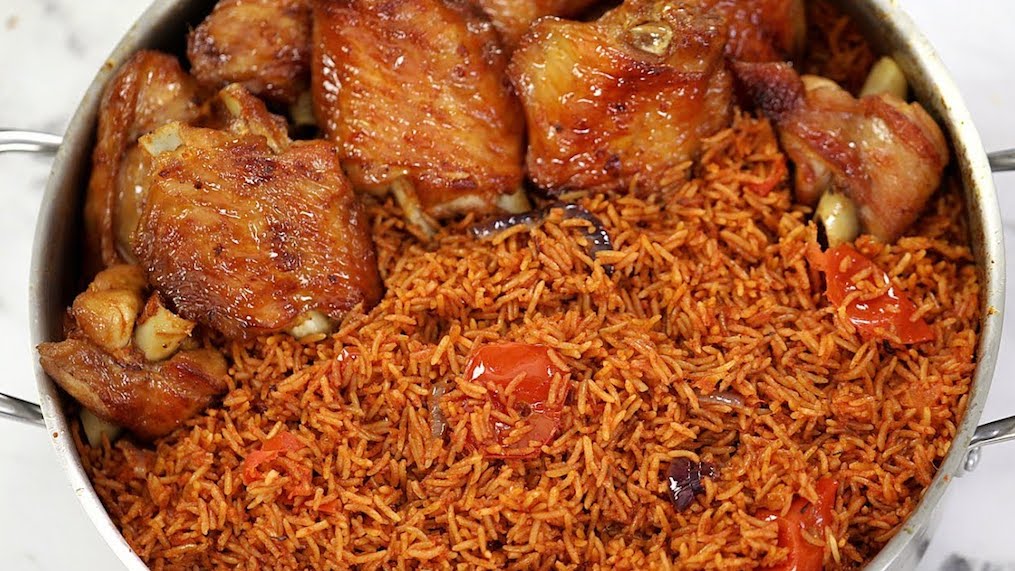
The price to cook a pot of jollof rice in Nigeria dropped by 11.5 percent from June to September 2026. This drop was mainly due to falling prices of chicken, beef, and vegetable oil as the main harvest hit the markets, according to a report by SBM Intelligence.
The National Average Jollof Index fell from N29,578 in June to N26,178 in September. This is the biggest drop since SBM started tracking these costs in July 2016.
In its third-quarter 2026 report titled ‘The Pot Cools, but Not Everywhere’, SBM Intelligence noted that the decline mainly came from falling prices of protein and oil. Prices of rice did not change much during this time.
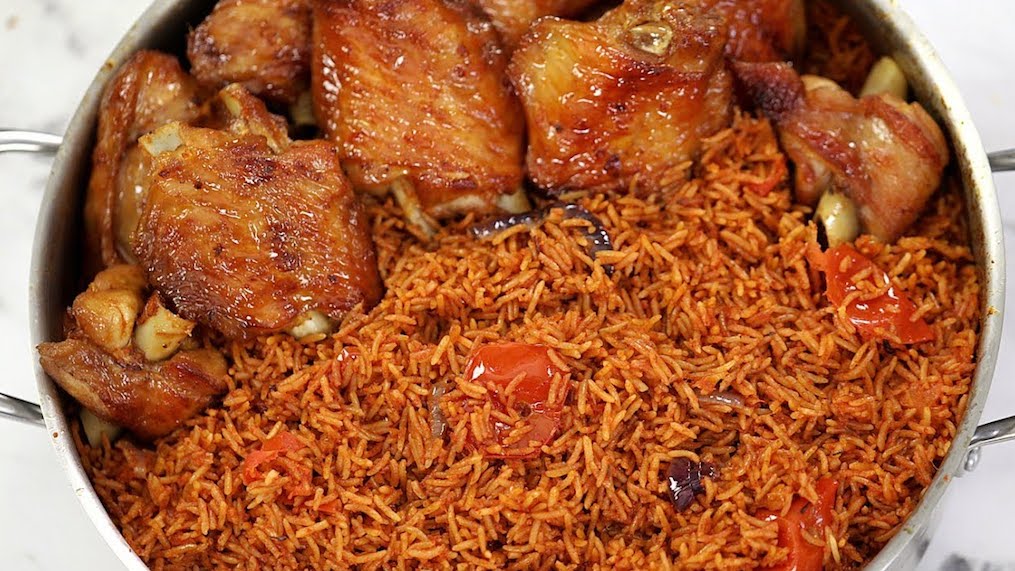
SBM’s index measures the cost of ingredients for one pot of jollof rice in fixed amounts across 13 markets in Nigeria’s six geopolitical zones. The ingredients include rice, chicken, tomatoes, vegetable oil, red pepper, tinned tomatoes, onions, beef, salt, curry, thyme, and seasonings.
“Chicken and beef together account for N13,800 of the fall,” the report stated. It also mentioned that protein was the main factor driving up jollof rice prices in the previous quarter.
The biggest drop happened between June and July, when the index fell by N2,312. This coincided with the arrival of the main harvest in markets. Prices stayed stable in August, then dropped another N984 in September.
This trend matches inflation data from the National Bureau of Statistics (NBS). Food inflation eased to 19.57 percent in August, down from 20.31 percent in July. This was the first decrease in six months. Overall inflation also dropped to 15.39 percent in August.
The report showed that vegetable oil prices dropped in nine out of the 13 markets checked. The biggest fall was in Lagos, where 90 centilitres of oil went from N5,000 to N3,000.
“Oil and protein together account for more than half the national decline,” the report added.
But the report warned that the price drop was not the same everywhere. Lagos and Ibadan saw most of the price cuts, while nine of the 13 markets had drops of less than 10 percent, and two had no movement at all.
Port Harcourt was the only market where the cost to prepare a pot of jollof rice went up. It rose from N31,200 in June to N32,000 in September, a 2.6 percent increase.
SBM Intelligence linked this increase to flooding in Port Harcourt and Obio/Akpor in late September. This flooding affected the city while other areas gained from the harvest.


The report also mentioned a recording error in Ibadan’s Bodija and Dugbe markets. Curry and thyme prices were listed at about N3,500 each from January to June. They then dropped to N650 each from July.
This price drop was due to a mistake in the recording, not a real market change. This means the reported 21.3 percent drop in jollof rice costs in those markets was overstated.
Despite the drop over the quarter, the cost to prepare a pot of jollof rice was still 5.8 percent higher than in September 2025. It was also 540 percent above the level in July 2016.
The report noted that rice prices did not contribute much to the recent drop. The combined price change for rice across the 13 markets was only N50.
“This clearly shows that the Jollof Index is not just about rice prices. The costs of everything else matter more,” it said.
The South-South zone remained the most expensive region to prepare jollof rice. In Calabar Municipal, the price closed at N34,600 and in Bayside Mbakpa at N34,500. Both markets saw only a N150 drop from June.
On the other hand, the Southwest had some of the biggest price cuts. In Lagos’s Trade Fair and Balogun markets, prices fell from N34,700 in June to N22,350 in September, a 35.6 percent decrease.
In the Southeast, prices in Onitsha fell by 5.3 percent to N21,350, while in Awka, they dropped by 3.2 percent to the same price.
SBM Intelligence reported that households are changing their food choices as prices change. One person in Kumbotso, Kano State, who had stopped buying chicken, started buying one chicken a week again after the price fell from N7,000 to N4,500.
Another respondent in Gwale said the price of a cup of pepper dropped from N2,500 to N1,400 last year, allowing them to cook stew daily once more.
The report warned, though, that one quarter of price drops does not change the overall rise in food costs. The national index is still much higher than it was a year ago.




Drop your comment
No comments yet — be the first to drop the gist 👇