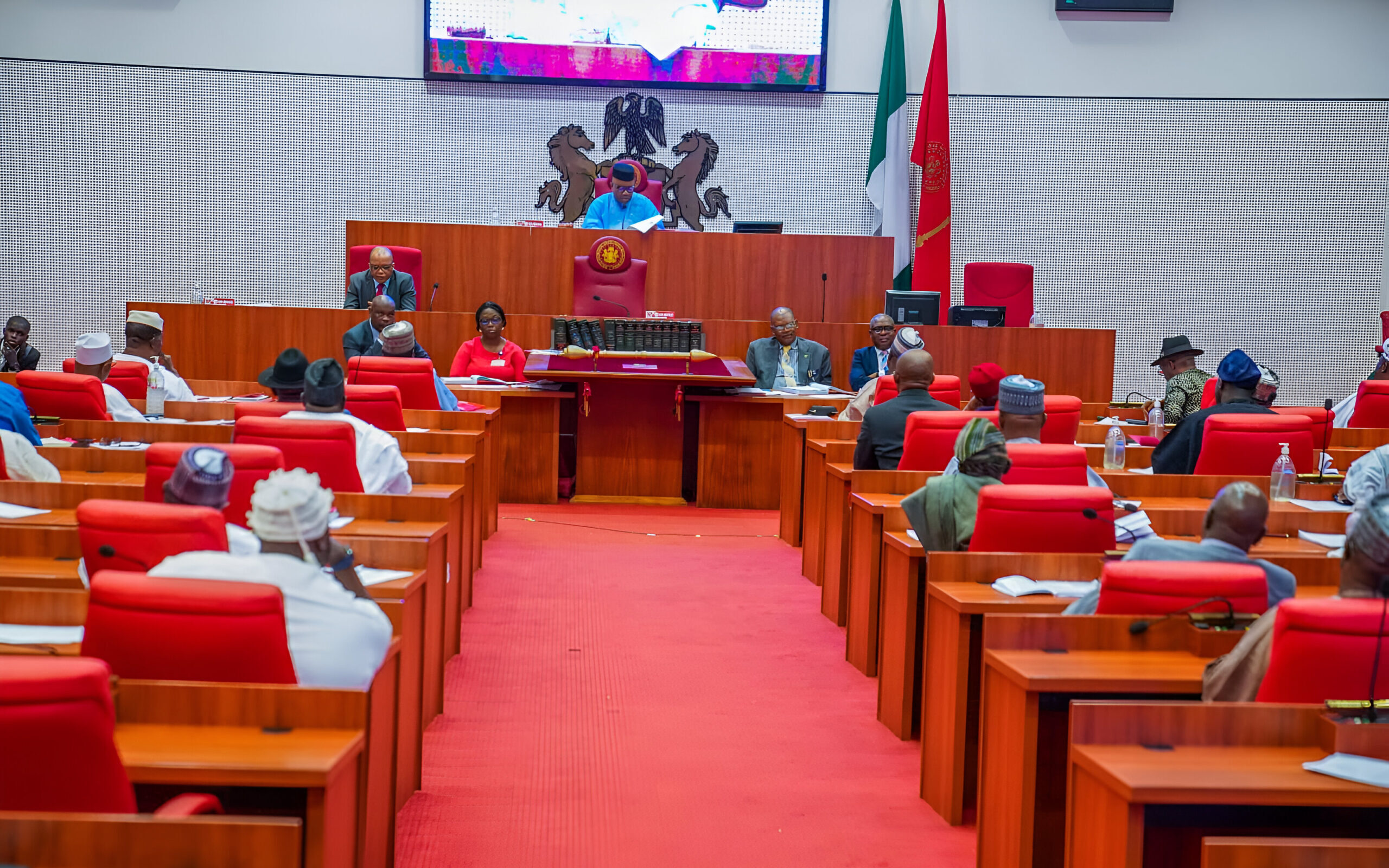
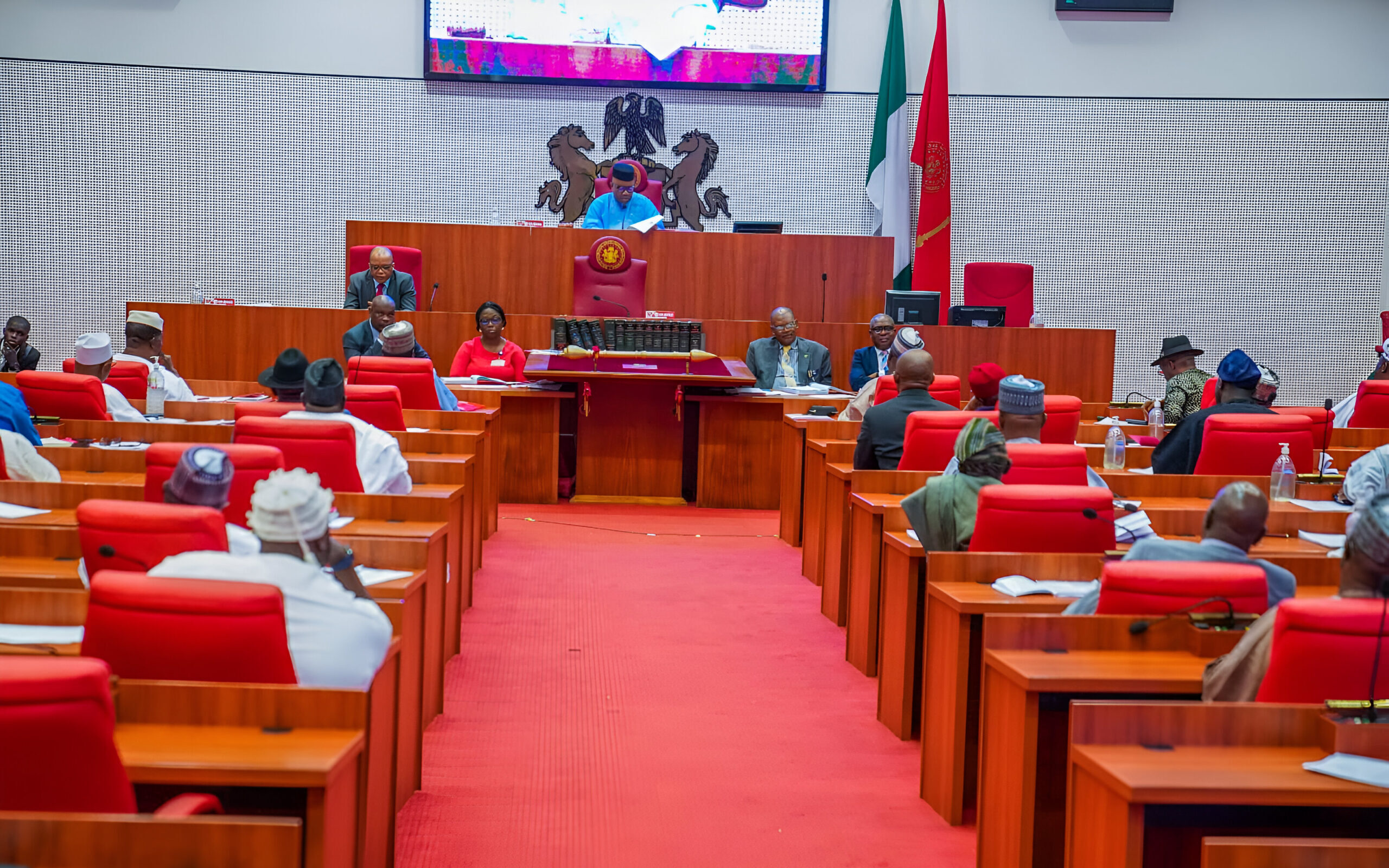
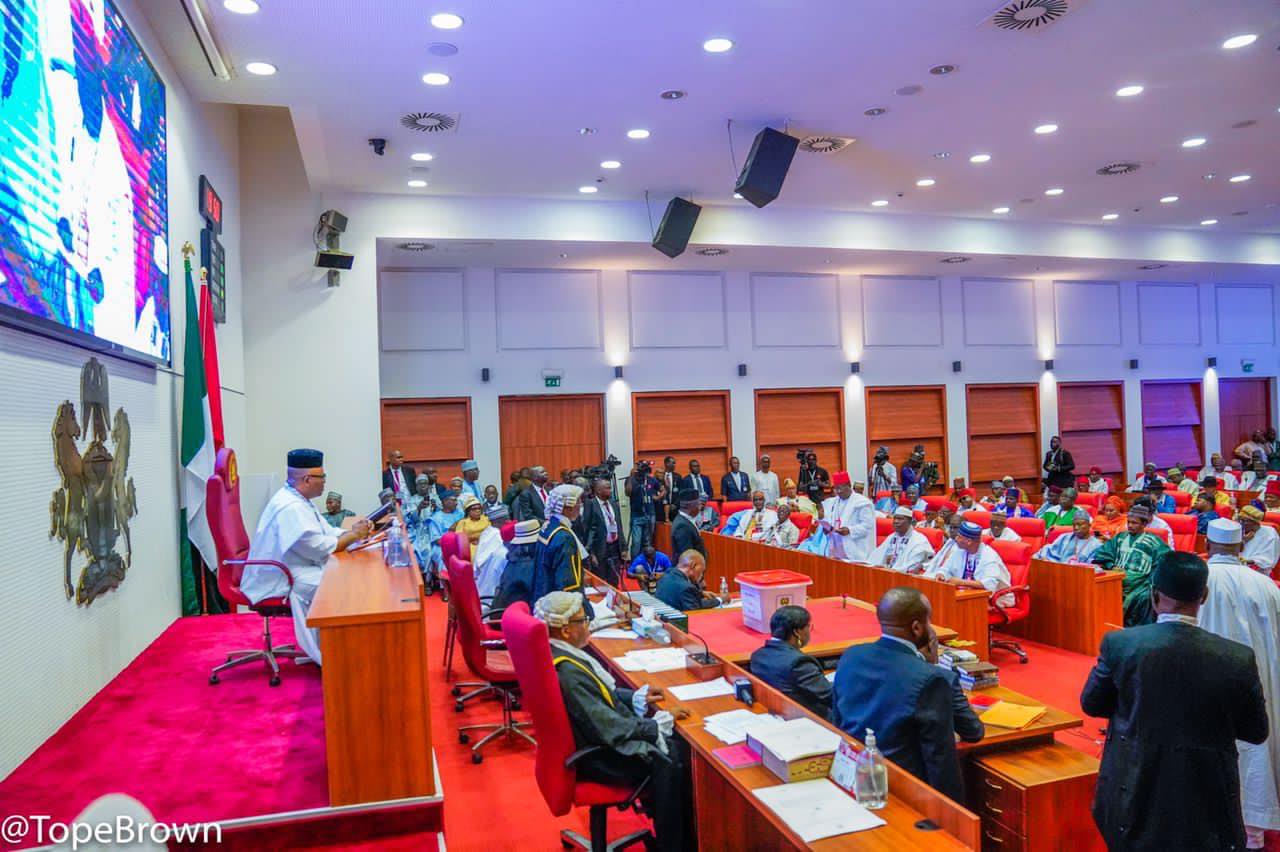
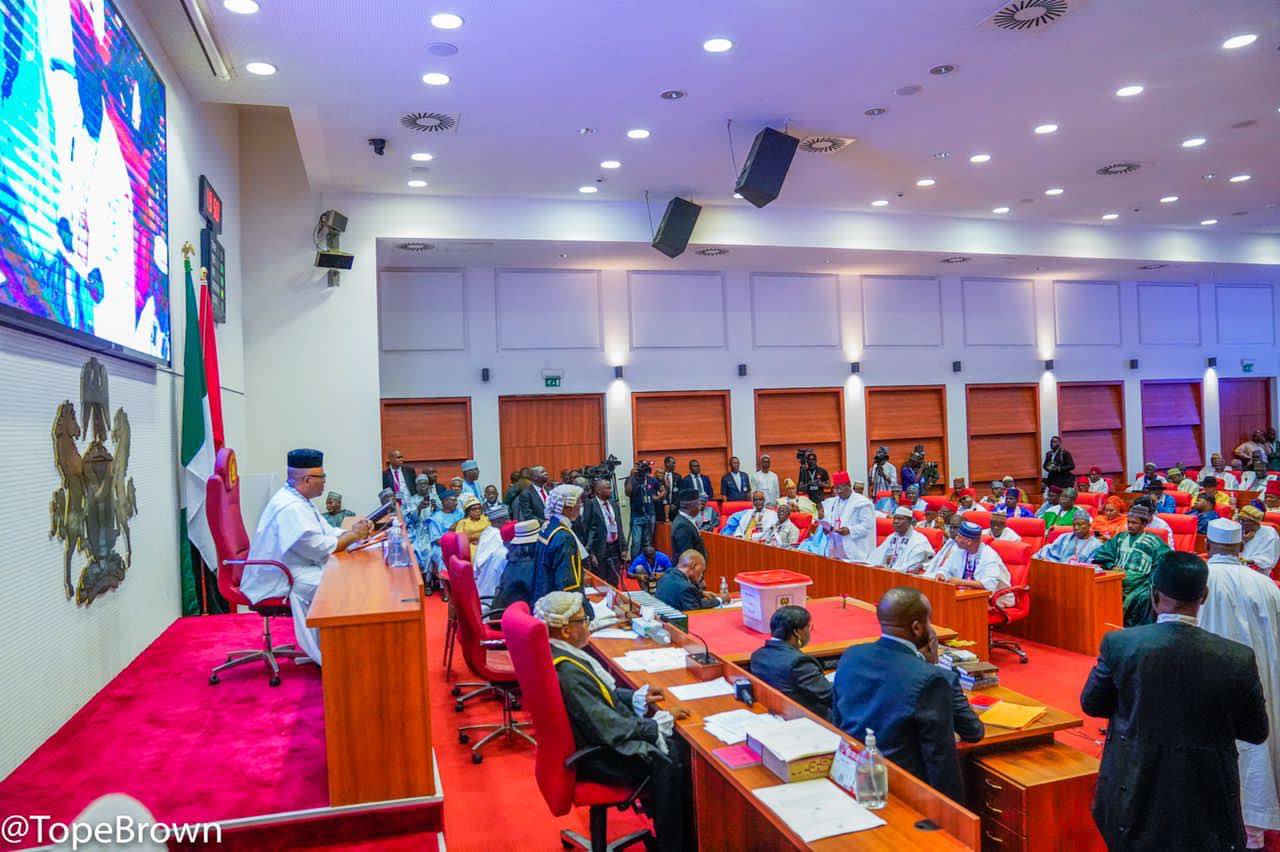
The Senate on Wednesday approved a bill to create the National Agency for Malaria Elimination in Nigeria.
The upper chamber passed the bill after reviewing the report from its Committee on Health, led by Banigo Ipalibo, the chairman.
The details of the bill were discussed at the Committee of the Whole.
Senate President Godswill Akpabio announced the bill's passage after most senators supported it through a voice vote.
The bill was sponsored by Ned Nwoko, the senator for Delta North Senatorial District.
This legislation aims to set up an agency that will manage national efforts to prevent, control, and eventually eliminate malaria in Nigeria. It also requires the agency to create and regularly update a national malaria elimination strategy and oversee the implementation of malaria programs across the country.
Additionally, the bill calls for establishing zonal and state offices to promote malaria elimination efforts nationwide. The agency is expected to make malaria elimination part of the law, science, and accountability framework.
The bill will be sent to the House of Representatives for approval before it goes to President Bola Tinubu for his signature.
While presenting the committee’s report, Mrs Ipalibo, who represents Rivers West Senatorial District under the All Progressives Congress (APC), said the new agency will coordinate all malaria prevention and elimination efforts in Nigeria.
"The agency will be responsible for coordinating all national efforts toward the prevention, control, and eventual elimination of malaria," she said.
She mentioned that stakeholders at the public hearing largely backed the bill, noting that it would set up mechanisms at all government levels to fight malaria, which remains a major health issue in the country.
She added that creating the agency would shift Nigeria's focus from merely treating malaria cases to preventing and ultimately getting rid of the disease.
In the debate, Mr Nwoko stated that it is both practical and possible to eliminate malaria in Nigeria.
"In my research on malaria elimination, I went to Antarctica with some of my legislative aides, after which I came up with the bill," he said.
He insisted that malaria elimination could happen through a dedicated agency focused on effective waste management, fumigation, and vaccine research.
"Eradicating or eliminating malaria is achievable in Nigeria through a special agency for that purpose. The agency, when established, shall, through effective waste management, fumigation, and research on vaccines, work towards the elimination of malaria in Nigeria," he added.
After the bill's passage, Mr Akpabio called the legislation a major step in the fight against malaria, which he noted is still one of the most common diseases affecting Nigerians.
Malaria continues to be a serious public health issue in Nigeria, despite years of efforts by the government, international organizations, and development partners.
The World Health Organization (WHO) says Nigeria has the highest malaria burden in the world, accounting for about 27 percent of global malaria cases and nearly 32 percent of malaria-related deaths. Nigeria, along with the Democratic Republic of Congo and Niger Republic, makes up more than half of all malaria deaths in Africa.
Malaria is spread by infected female Anopheles mosquitoes and is common across the country, especially during the rainy season when mosquitoes breed more.
Children under five and pregnant women are the most at risk. WHO estimates show that children under five make up most malaria-related deaths in Africa. In Nigeria, malaria is one of the top causes of illness, hospital visits, and deaths among young children.
Besides its health effects, malaria also places a heavy economic burden on Nigeria. The disease leads to school absenteeism, lower productivity, higher healthcare costs, and strains on the health system. Experts say Nigeria loses billions of naira each year due to treatment costs, decreased workforce productivity, and preventable deaths linked to malaria.
Even though the country has made progress with insecticide-treated mosquito nets, seasonal malaria prevention programs, indoor spraying, and better access to diagnosis and treatment, malaria still poses a big threat due to poor sanitation, limited healthcare access, drug resistance, climate issues, and funding shortages.
In 2024, Nigeria began rolling out the Oxford R21 malaria vaccine, becoming one of the first African countries to use this vaccine to reduce infections and deaths among children. Health officials say vaccination must go hand in hand with existing preventive measures like mosquito nets, environmental sanitation, and quick treatment.
Drop your comment
No comments yet — be the first to drop the gist 👇