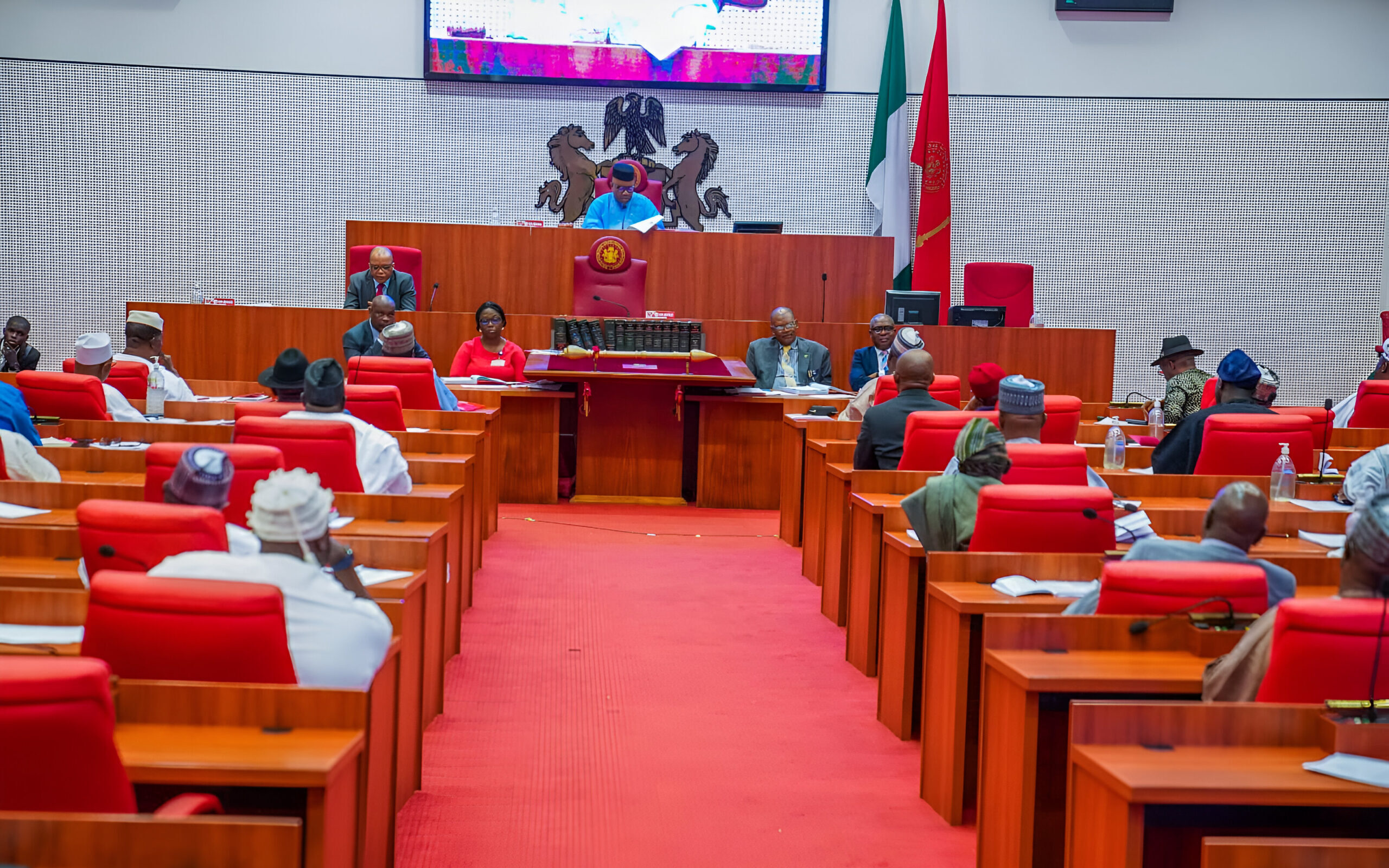
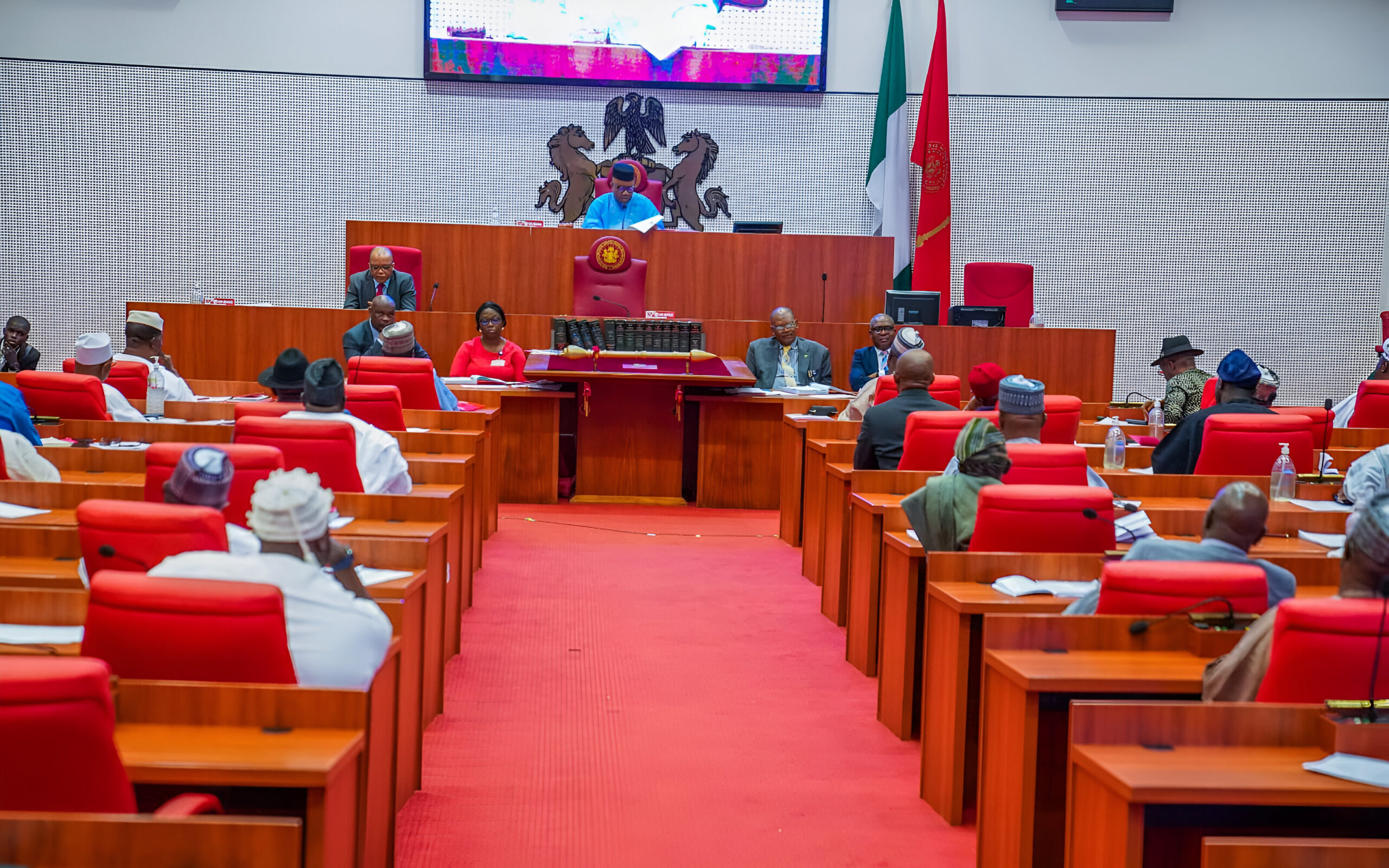
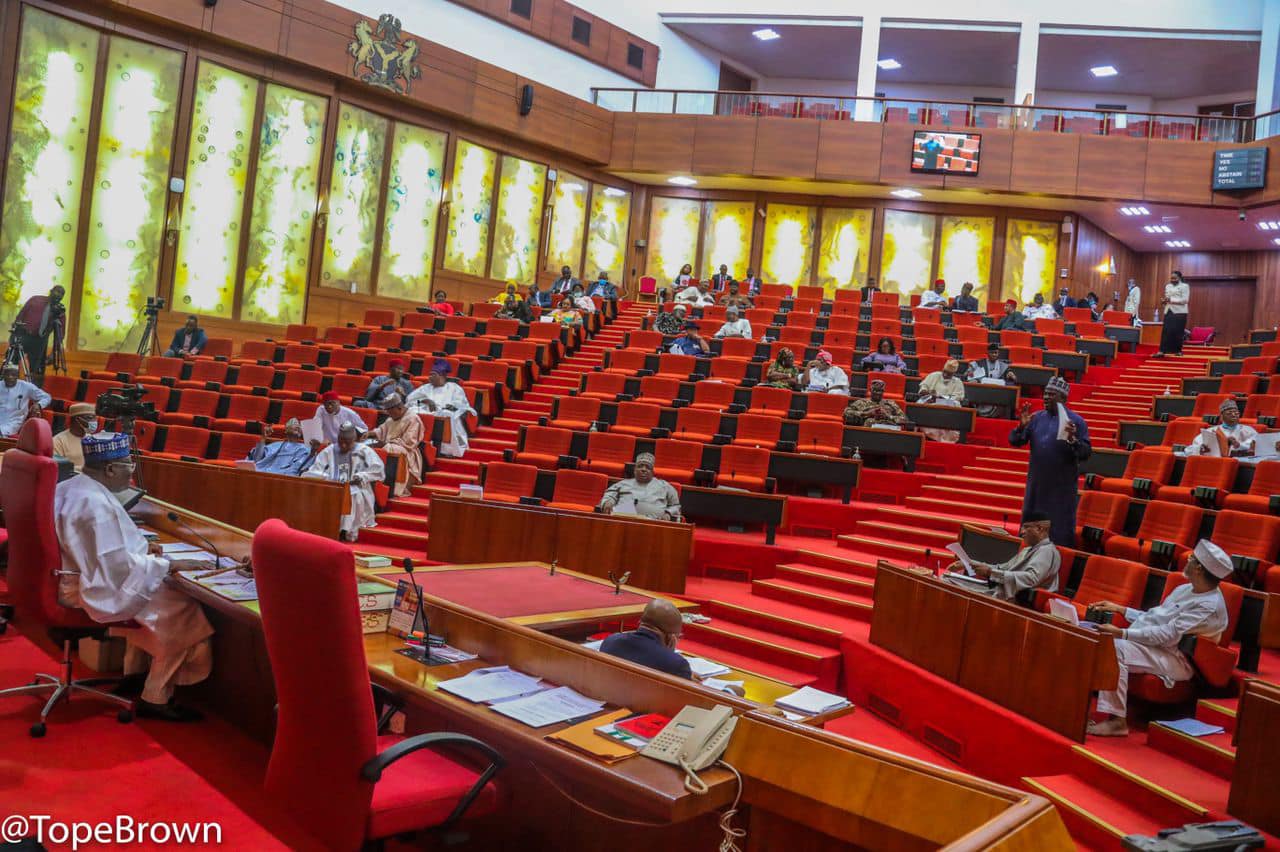
The Senate set up a six-member committee on Tuesday. This committee will work with the Federal Ministry of Finance to help pay the local contractors who are owed money for projects completed across Nigeria.
Senate President, Godswill Akpabio, shared the names of the committee members during a session after most senators agreed to it through voice votes.
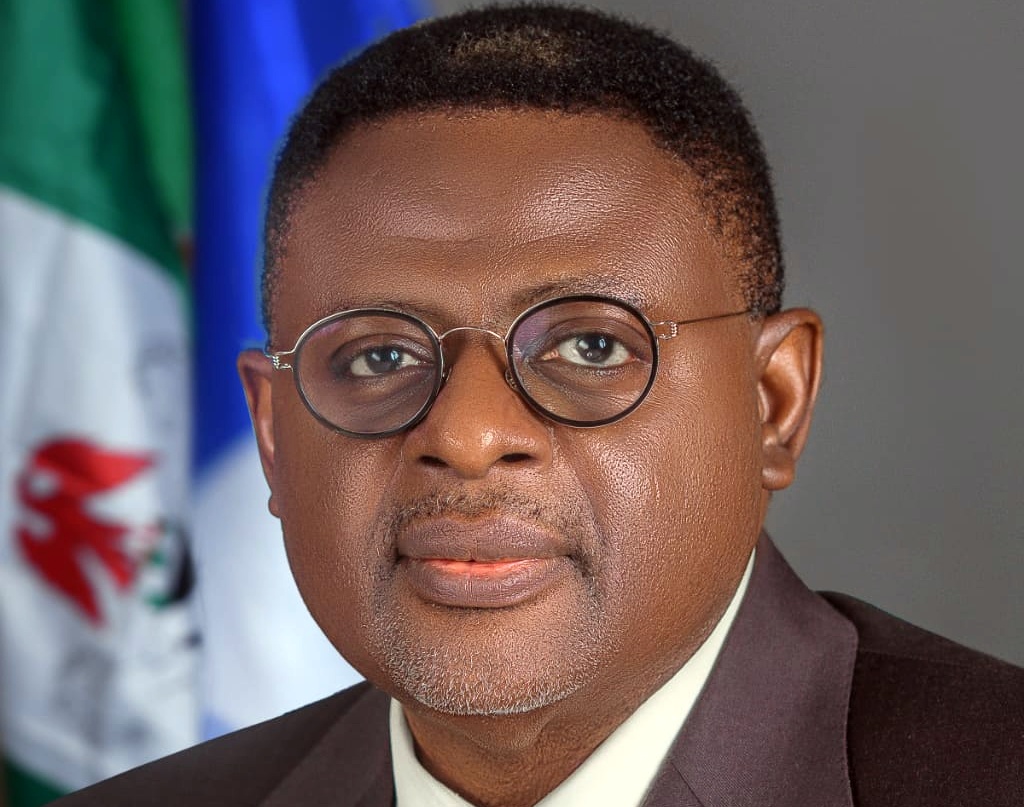
Mr. Akpabio announced that the committee will be led by the Chairman of the Senate Committee on Finance, Sani Musa (APC, Niger East).
Other members include Adetokunbo Abiru (APC, Lagos East), Kawu Sumaila (APC, Kano South), Abubakar Sani Bello (APC, Niger North), Isah Jibrin (APC, Niger East), and Abdullahi Yahaya (APC, Kebbi Central).
The Senate president told the committee to present a report within a week. This report should explain what the federal government is doing to pay the debts owed to contractors.
The Senate's decision to create this committee comes after contractors protested to demand payment for the projects they completed across the country.
Contractors, represented by the All Indigenous Contractors Association of Nigeria (AICAN), claim that the federal government owes them around ₦4 trillion for projects done, especially those under the 2024 budget.
The government has said that a large part of the verified claims has been paid off already. They added that the remaining debts are being checked and will be paid in phases.
The dispute over the debts has led to protests in Abuja since 2025. Contractors have often blocked the Federal Ministry of Finance, accusing officials of not keeping promises to release funds for completed work.
Many contractors took loans from banks to carry out government contracts. They say the delays in payment have made it hard to repay these loans. Some have even faced loan defaults, closed their businesses, or had assets seized by banks.
In reply, the federal government has shared plans to clear the backlogs. Former Minister of Finance, Wale Edun, who left office recently, revealed that over ₦2 trillion in capital debts had been paid. The ministry also confirmed that ₦152 billion was released to contractors after checks were done.
The government has set aside money in later budgets to settle outstanding debts and continues to talk with contractor representatives about a phased payment plan.
Yet, this issue remains a big problem because of its impact on the economy. Delayed payments to contractors can slow down infrastructure projects. This can raise the costs of government work due to interest and inflation, hurting local construction companies.
The situation is even more pressing as the federal government looks to borrow money for budget gaps and infrastructure needs. Government officials keep saying that borrowing is necessary to support ongoing projects and promote economic growth while they pay off outstanding debts based on available money and checks.

Drop your comment
No comments yet — be the first to drop the gist 👇