---
Six opposition political parties plan to meet in Abuja on 23 November to solidify their cooperation. This comes nearly three months after their first meeting, which raised questions about commitments that have not been fulfilled.
The Coalition for Democracy announced on Monday that the parties will adopt three documents focused on political cooperation, democratic reforms, and electoral integrity.
But this announcement does not answer questions from a PREMIUM TIMES investigation on 22 October. The investigation looked into delays in producing five documents suggested at the coalition’s August summit.
The coalition has not clarified if the three documents now set for adoption will replace, merge, or include the original five documents.
In a statement on Monday, Salihu Lukman said the second summit will take place at the NAF Conference Centre in Abuja.
The parties involved are the African Democratic Congress (ADC), Allied Peoples Movement (APM), National Democratic Congress (NDC), Peoples Democratic Party (PDP), Peoples Redemption Party (PRP), and the Social Democratic Party (SDP).
TheCable noted that the PDP participant is from the Tanimu Turaki-led faction, as the party continues to face leadership issues.
The three new documents are the National Covenant for Democratic Renewal, the Framework for Opposition Unity, and the National Reform Programme.
According to Mr Lukman, the coalition wants to replace informal agreements with written commitments that are strong enough to handle disagreements between politicians.
The proposed pact does not say if the parties have agreed to present a single presidential candidate against President Bola Tinubu.
During the first summit held on 31 August by the G100 in partnership with the House of Representatives Minority Caucus, the parties formed working groups to prepare cooperation proposals.
The five documents initially suggested were the National Covenant for Democratic Renewal, Single-Term Transition Charter, National Reform Programme, Framework for Opposition Unity, and Roadmap to a Common Presidential Candidate.
These working groups were given a four-week deadline to finish their tasks.
However, PREMIUM TIMES reported in October that the deadline passed without any evidence that the documents had been completed, submitted, or adopted.
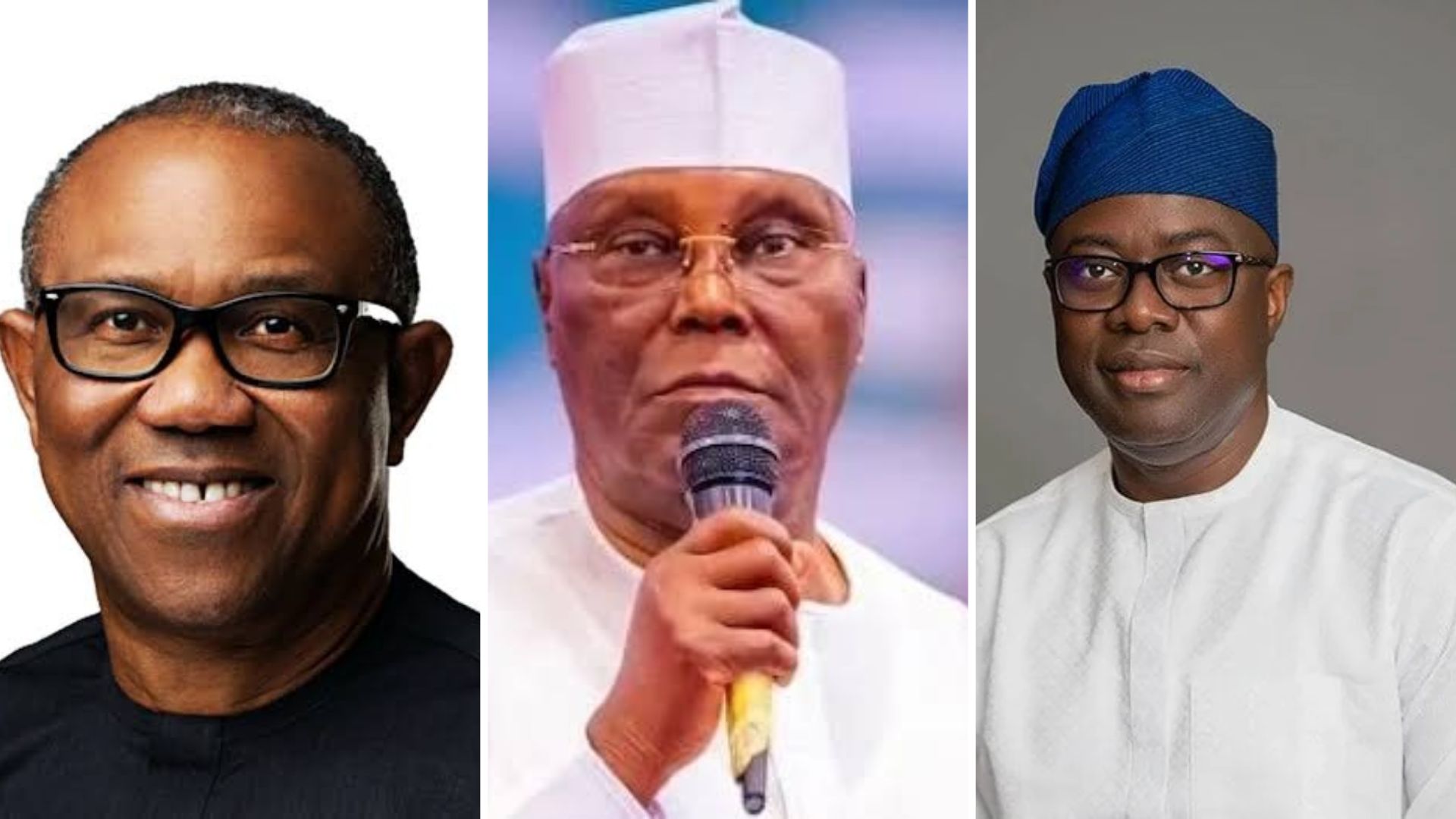
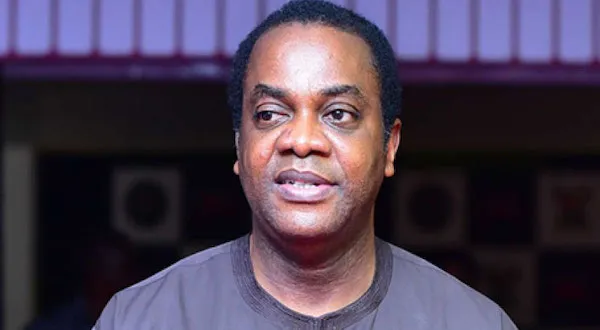
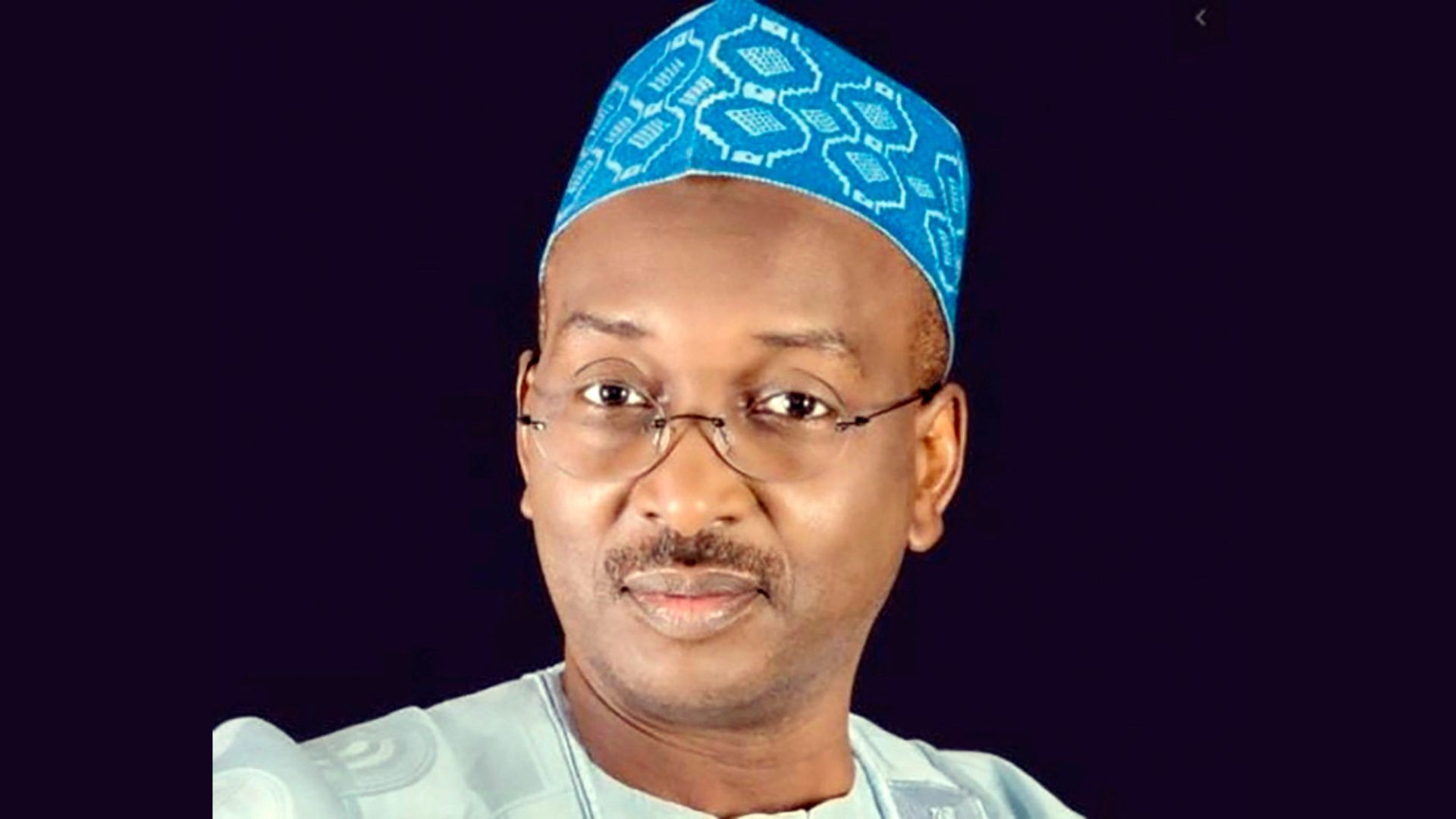
The investigation also found that representatives from the six parties had spoken with five presidential candidates: Atiku Abubakar, Peter Obi, Seyi Makinde, Adewole Adebayo, and Donald Duke.
Mr Lukman later admitted that a lack of trust among the parties and candidates is still a barrier to cooperation.
Monday’s announcement shows that the working groups have prepared documents for review, but it does not mention the Single-Term Transition Charter or the Roadmap to a Common Presidential Candidate.
It also does not clarify if the parties have dropped those proposals or plan to address them later.
PREMIUM TIMES has not looked at the three documents independently.
So, their details on campaign financing, dispute resolution, electoral coordination, and possible candidate arrangements are still unknown.
The coalition has said that protecting votes at polling units will be its first joint task.
They believe opposition parties can work together to ensure the electoral process is secure, even with their different political interests.
But the announcement did not explain how this plan will work, who will lead it, or how it will be funded.
The coalition also accused the ruling APC of damaging democratic competition and electoral transparency. These claims have not been verified.
National chairpersons and secretaries from the participating parties, along with members of their national working committees, presidential candidates, running mates, and campaign officials, are expected at the summit.
Representatives from the G100, the House of Representatives Minority Caucus, civil society groups, and the diplomatic community have also been invited.
According to Daily Nigerian, there will be a special session for presidential candidates to speak and publicly support the cooperation framework.
The attendance of individual candidates has not been confirmed.
The upcoming agreement comes as negotiations continue among opposition presidential candidates.
In its State of the Race analysis published on Monday, PREMIUM TIMES reviewed discussions involving Atiku, Mr Makinde, and Mr Obi, as well as the electoral deadlines and legal issues affecting efforts to choose a common candidate.
Though Mr Makinde confirmed talks with opposition figures, no joint ticket or common electoral plan has been announced.
The ADC is facing more trouble after the Federal High Court ruling on 5 November, which cancelled decisions made by the David Mark-led party leadership.
The party has appealed this ruling, but the ongoing dispute raises concerns about its presidential nomination and the authority of officials acting for it.
This unresolved legal matter could complicate any agreement needing commitments from party representatives whose authority is in question.
Still, working together on electoral integrity does not mean the parties have to drop their presidential candidates. Presenting a joint ticket would involve different legal and political issues.
The 23 November summit will show if the participating parties can go beyond talks and create effective cooperation.
One challenge is whether their national leaders have given permission for representatives to sign agreements that could change their electoral strategies.
Another is how the coalition plans to handle disagreements among parties competing in the presidential election.
The coalition has said that other political parties may join if they agree with its values of democratic renewal, constitutional governance, and national reform.
For now, the best sign of progress will be the release of the agreements and a clear explanation of how they relate to the five documents promised in August.
---
Drop your comment
No comments yet — be the first to drop the gist 👇