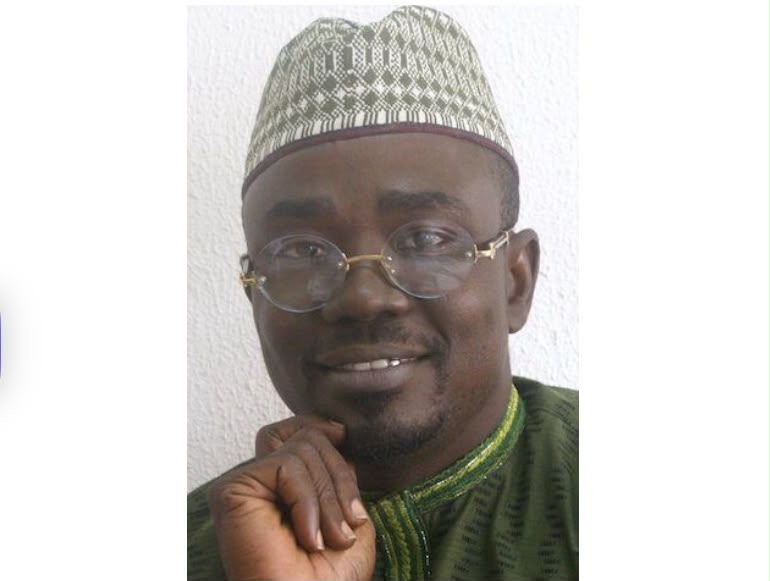
I hesitated to share this. For weeks, I thought about keeping quiet or being open. In the end, a video changed things. It showed my friend, Omoyele Sowore, leading a “Tinubu Must Go” protest. This reminded me that this issue is public, and I can't keep quiet anymore.
Let me explain. Sowore and I have kept a friendly relationship even with our different views. He focuses on activist journalism while I work in strategic communication. When I lost my federal job after a well-known disagreement with then Finance Minister Ngozi Okonjo-Iweala, Sowore stood by me. He used his platform and energy to support me when others stayed away. That kind of friendship is hard to forget.
Later, when I worked as a communications consultant to a sensitive office, our media placements showed up on Sahara Reporters, which he still runs. A misunderstanding happened. While I was in New York heading to Las Vegas, he did not want to meet me. I think he thought I came to compromise his editorial independence for the then National Security Adviser, Colonel Sambo Dasuki. He treated Dasuki the same way.
Funny enough, he and Dasuki later ended up in a DSS detention cell together and were released on the same day. I have never asked Sowore for help that he denied, except once. That was when he confronted me over an article backing Okonjo-Iweala’s WTO bid. I appreciated his honesty then, just as I do now.
I share this background not to show closeness to either side but to explain my current dilemma.
A few weeks ago, Kashifu Inuwa, a respected technocrat from the North and a strong supporter of President Bola Ahmed Tinubu and First Lady Remi Tinubu, invited me to his office. Known across the country for promoting digital literacy, Kashifu got straight to the point: he wanted my help to build a movement.
Before I could respond, he named it: “Tinubu Must Stay, for Continuity, Stability and Prosperity.” I asked why it wasn’t just “Tinubu Should Stay.” His answer was strategic, not emotional. The movement was meant to counter the “Tinubu Must Go” campaign, which he felt was gaining support from northern groups linked to former Vice President Atiku Abubakar. He wanted a response that matched the opposition's message without giving in.
He asked me to decide within 24 hours. I asked for more time, but he insisted. I told him I would come back with my thoughts. The real question was not whether I supported the President but if I could back a campaign that was professionally sound.
I asked my team to run a perception index and sentiment analysis on recent campaigns about the President. Using PRrev, PRNigeria’s media monitoring software backed by NITDA, the results were concerning. Negative sentiment, especially on social media, was not just high; it showed a level of public dissatisfaction that no honest communicator could hide with slogans or rallies.
I then talked to a group of young communicators, all in their late twenties and early thirties, from various regions and with no political ties. I asked if they would support the Tinubu Must Stay campaign. Their first reaction was not very excited. But I pushed them to look at the administration’s real achievements against the public’s complaints. What they found was more enlightening than I expected.
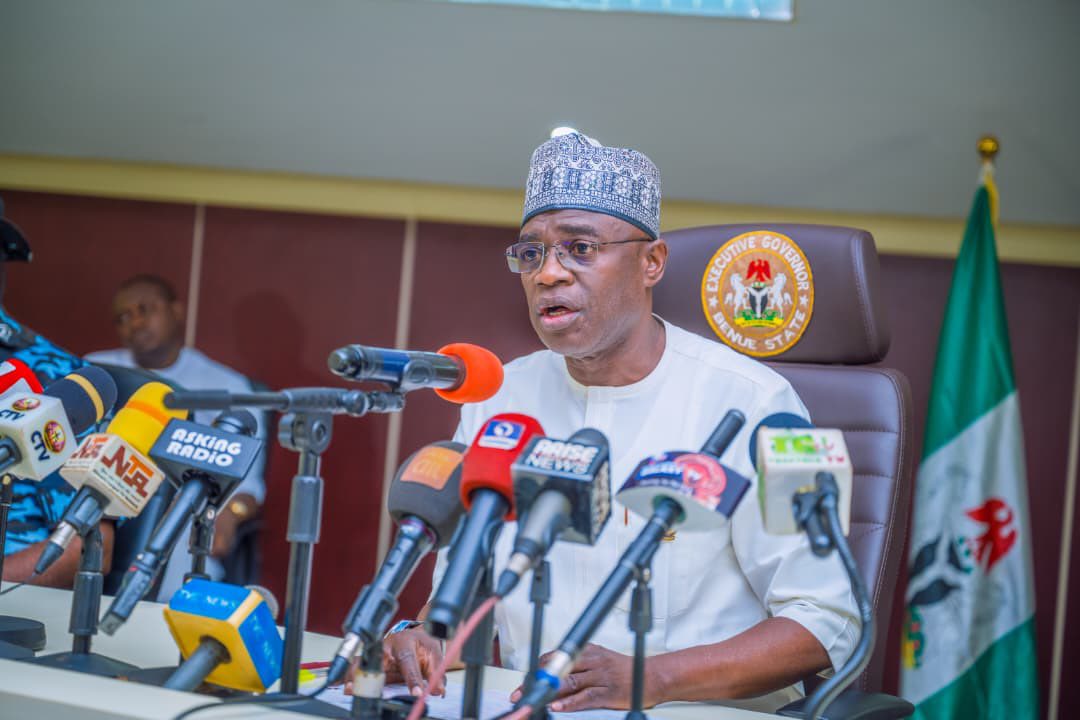
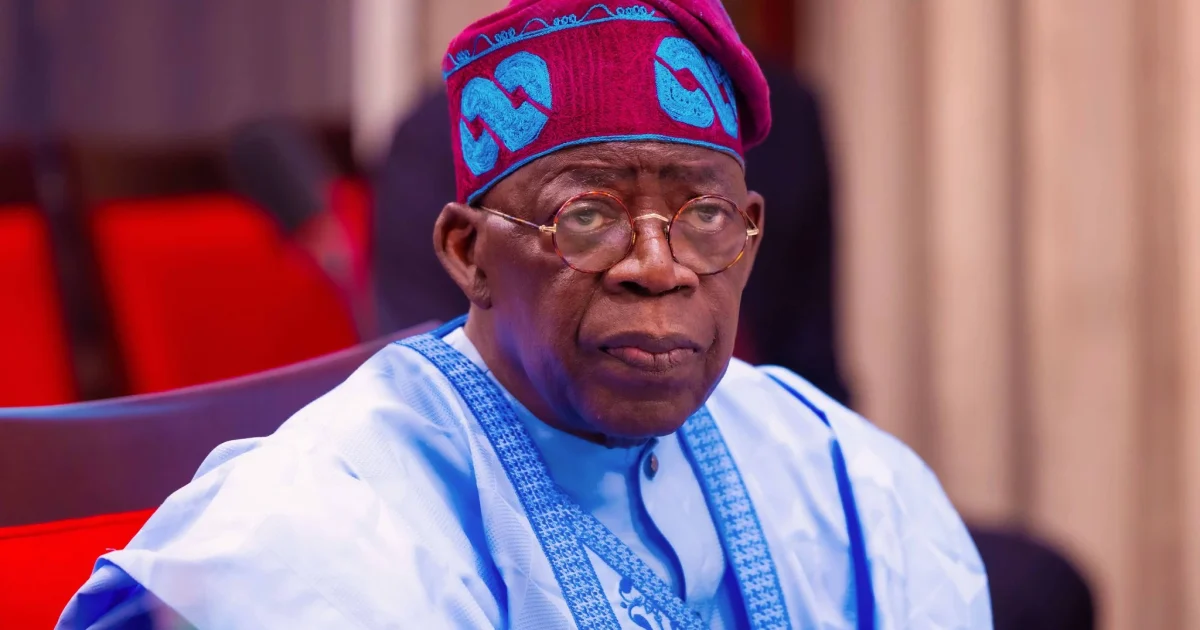
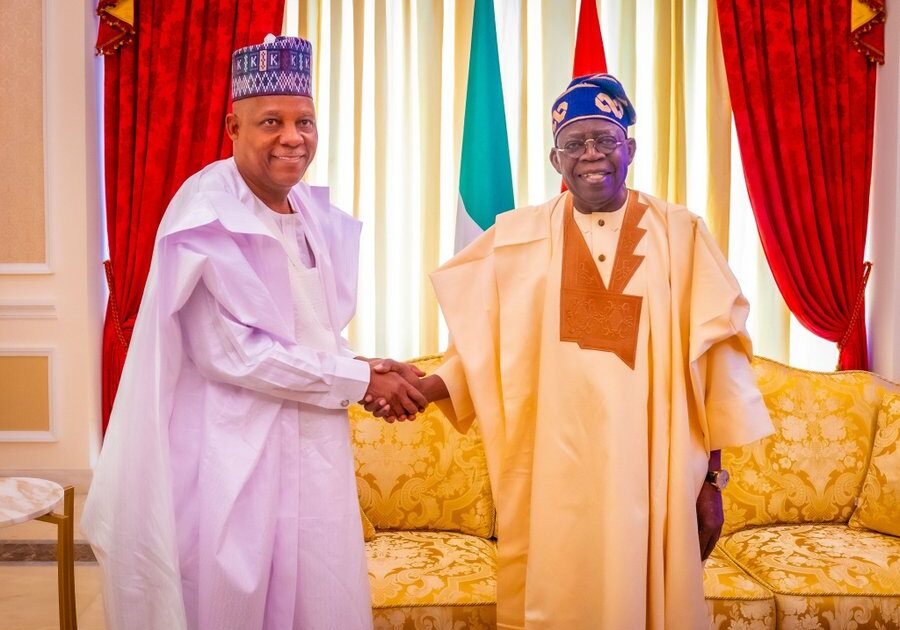
They discovered that Tinubu helped start new medical universities, not just in the South but also in Tsafe and Funtua in the North, schools many Nigerians do not even know exist. They pointed out hundreds of housing units launched in northern states and a significant increase in federal allocations to states and local governments, funds that past administrations often misused. Security improvements were also noticeable: new military divisions, better equipment, and improved pay for personnel.
These were clear, documented facts that had not reached the public because the communication around them was, frankly, poor. It was buried in technical details and numbers that regular people do not connect with.
Three of the young communicators who were initially hesitant became the most diligent in their research. By the end, they joined the movement voluntarily, without any incentive. To me, that was more important than any polling result. It showed that the problem was not the administration’s record but how that record was shared.
When I went back to Kashifu, I advised that the campaign be based on solid evidence: facts, data, documented results, and verifiable comparisons. I also warned against attacking opposition figures and being confrontational towards anti-government groups. No hired crowds. No fake protests. No manufactured excitement. No pretending.
The campaign would add serious thought to the national conversation, not drama. A communications effort built on solid facts does not need to drown out its critics. It just needs to be heard.
Then, right as I was finalizing my stance, Sowore’s video came out. My friend, the one who stood by me when others didn’t, was now backing the very movement I was asked to oppose. I don’t know if he will officially join the Atiku Abubakar camp based on hints from initial northern organizers.
As someone who studies and practices public relations, I believe the battle for public opinion in the coming months will not be won by the loudest voices, the longest marches, or the most digital noise. It will be won by the side that builds the most believable story around real facts.
If the administration’s achievements are as significant as the data suggests, then failing to share them is a failure in execution, not governance. And that failure can be fixed.


Drop your comment
No comments yet — be the first to drop the gist 👇