As El Niño affects weather around the world, Nigeria may see higher temperatures. This could raise health risks from extreme heat, especially with the unreliable power supply and limited cooling options.
To stay safe during heat waves, Nigerians should drink enough water, ensure proper airflow, and recognize the early signs of heat-related issues.
El Niño is a natural climate event where the Pacific Ocean warms unusually. This affects weather patterns, leading to changes in temperature and rainfall in many places.
The Nigerian Meteorological Agency (NiMet) reports that El Niño raises the chances of higher temperatures globally and can change rainfall patterns significantly.
In August, NiMet gave a seasonal climate forecast. They noted that signs from the Pacific Ocean pointed to a strong El Niño happening from August to October.
"The evolving super El Niño event represents one of the strongest ocean-atmosphere phenomena in recent decades, with significant implications for Nigeria’s rainfall patterns," the agency said.
NiMet expects wetter conditions in northern Nigeria during this period. This includes states like Sokoto, Kebbi, Zamfara, Katsina, Kano, Yobe, Borno, Bauchi, and Jigawa.
On the other hand, southern states such as Oyo, Ogun, Lagos, Osun, Ekiti, Edo, and Delta are likely to see drier weather. The forecast also mentioned that Kogi and parts of Benue State could experience dryness.
Health risks of extreme heat
Staying in high temperatures for too long can be dangerous. It can cause heat-related illnesses like heat exhaustion and heat stroke.
Heat exhaustion happens when the body loses too much water and salt through sweating. Symptoms include heavy sweating, weakness, dizziness, headache, nausea, and high body temperature.
Heat stroke is more serious and can be life-threatening. It occurs when the body can no longer control its temperature. Warning signs are confusion, changes in behavior, irritability, seizures, and passing out.
Tanimola Akande, a public health professor at the University of Ilorin, told PREMIUM TIMES that the heat from El Niño could lead to more cases of heat exhaustion and heat stroke in Nigeria.
Mr Akande said the lack of reliable electricity makes it hard for many families to cope with the heat, especially those relying on fans and air conditioners.
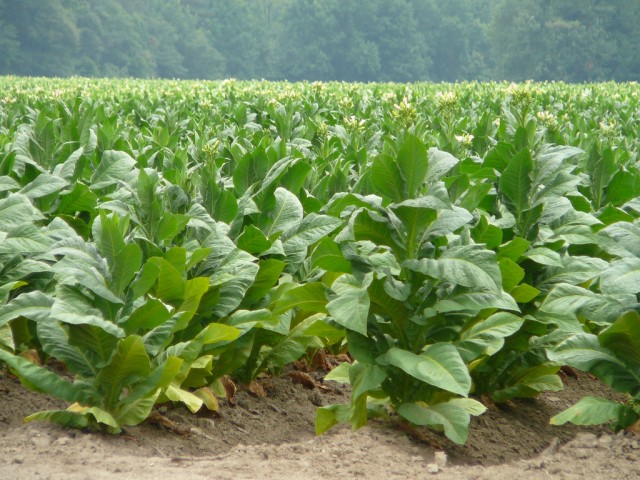
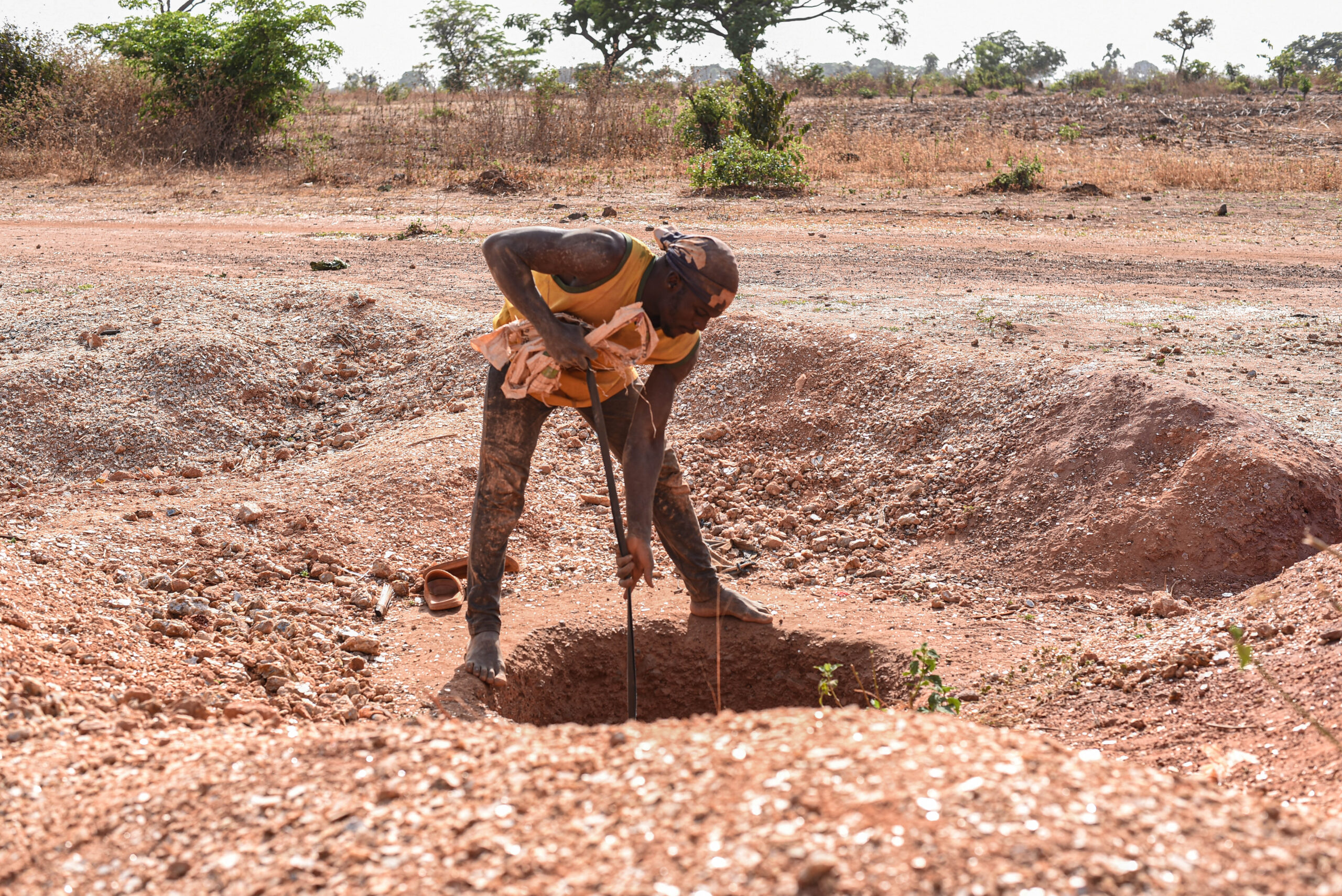
He also warned that extreme heat could hurt farming productivity. But he encouraged individuals and families to take simple steps to stay cool.
How to stay safe
Mr Akande suggested improving ventilation as a cheap way to cool homes.

"Low-cost ways to stay cool and prevent heat stroke include ensuring adequate ventilation with big windows and ensuring cross ventilation," he said.
He also advised planting trees around homes for shade and reducing direct sunlight exposure.
Mr Akande encouraged Nigerians to wear loose, light clothing and avoid dark colors that trap heat. He stressed drinking enough water daily, even when not thirsty.
People should steer clear of direct sunlight for long periods, especially during the hottest parts of the day, and take breaks in shaded or cool areas.
What to do in an emergency
Mr Akande said quick action is crucial if someone shows signs of heat exhaustion or heat stroke.
"If someone collapses from heat exhaustion, the person should be moved away from the area to a cool place, remove extra clothing and use cold water to tepidly sponge the person," he said.
He added that water or an oral rehydration solution could be given to someone alert enough to swallow.
But he warned against forcing fluids on someone who cannot drink on their own.
"If the person is unable to drink on his or her own, he or she should not be forcefully made to drink water. Plans should be made to take the person to the nearest health facility," he said.
Heat stroke needs immediate medical help. While waiting for care, move the person to a cooler place and cool them down using cold water, wet cloths, or fanning.
People at greater risk
Extreme heat can affect anyone, but some groups are more likely to suffer.
Outdoor workers, children, older adults, and pregnant women are at higher risk. Those with chronic conditions like diabetes and heart issues may also be more vulnerable.
These groups need extra care, like regular access to drinking water, shaded areas, good ventilation, and less exposure to heat.


Drop your comment
No comments yet — be the first to drop the gist 👇