The 2027 governorship election is shaping up to be a tight race in Taraba State. Political parties are naming their candidates, and key politicians are forming new partnerships.
The Independent National Electoral Commission (INEC) has announced 19 candidates for the election, making it one of the most crowded contests in the state’s history.
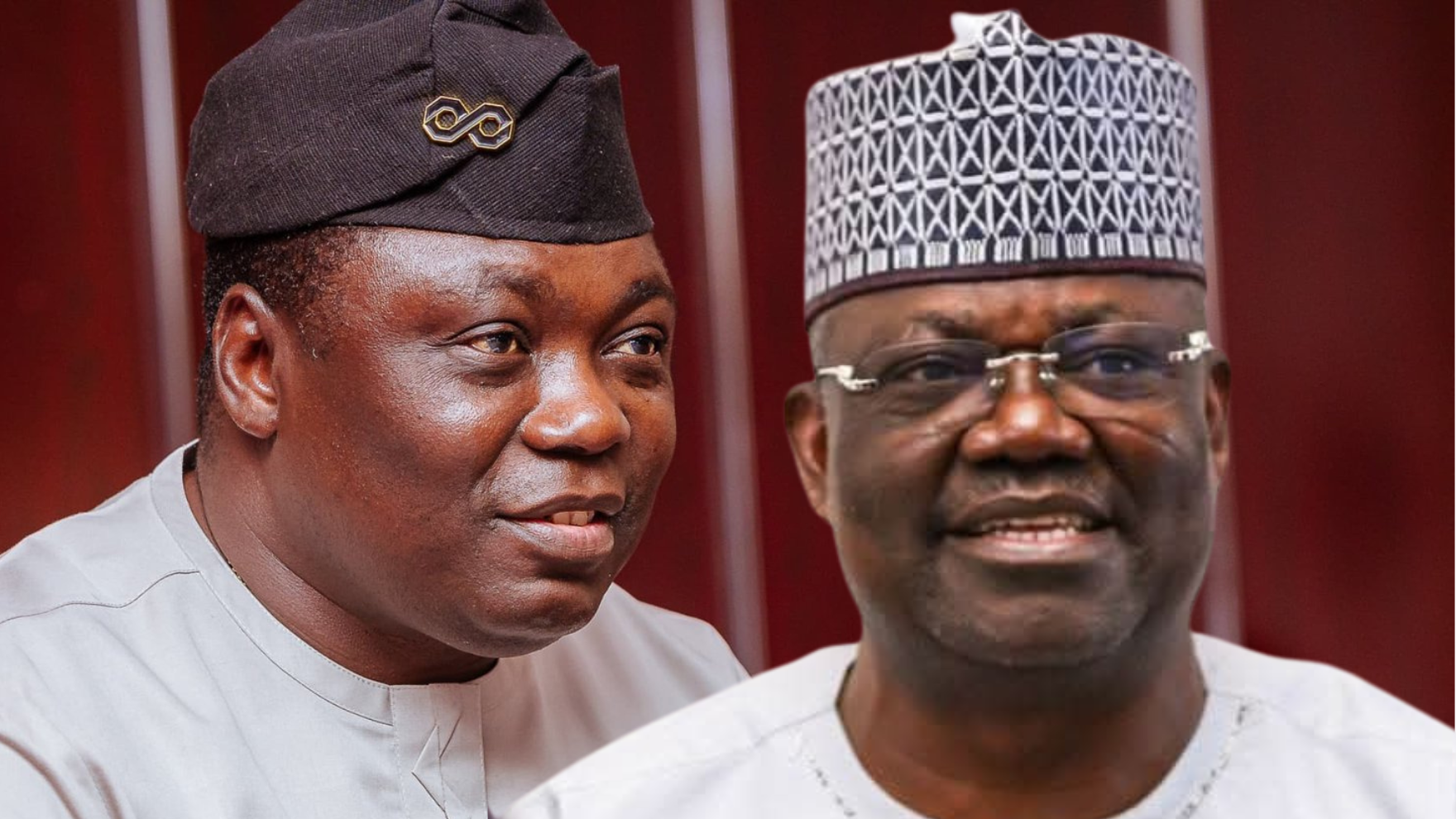
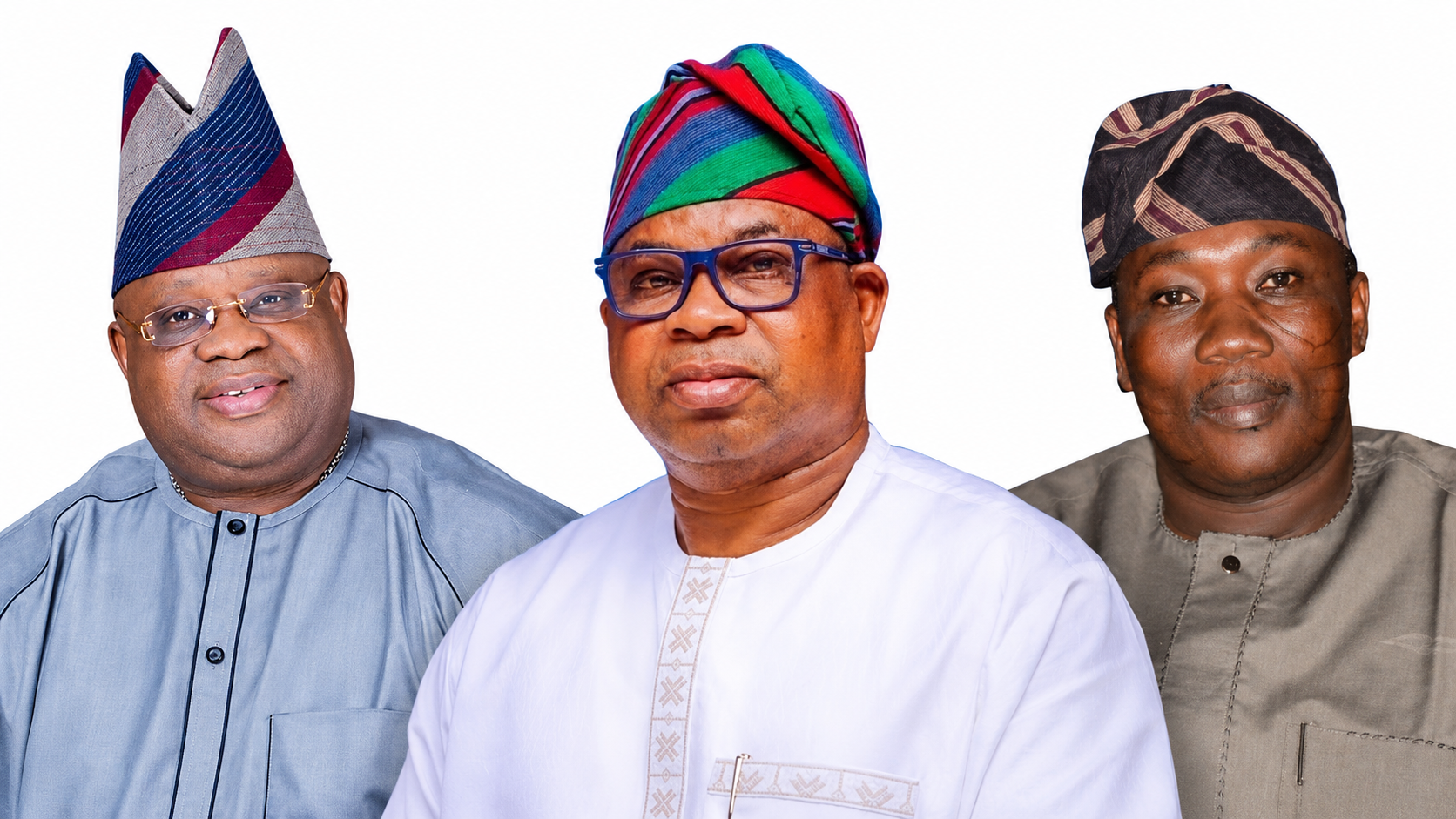
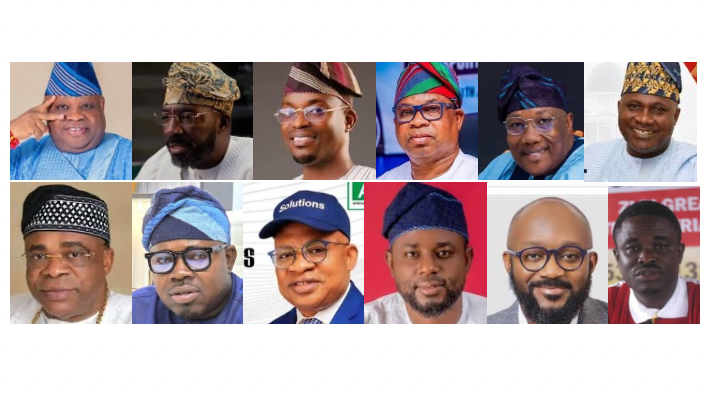
Key candidates include the current Governor Agbu Kefas from the All Progressives Congress (APC), former senator Emmanuel Bwacha from the Peoples Democratic Party (PDP), and former Senator Abubakar Tutare from the African Democratic Congress (ADC).
Others in the race are former federal lawmaker Danjuma Shiddi, also known as Danji SS, representing the All Progressives Grand Alliance (APGA), Jerome Nyameh of the Accord Party, and Mohammed Yahaya from the National Democratic Congress (NDC).
The candidates face a big challenge: they need to build support across Taraba’s three senatorial districts. They must convince voters who will judge both the governor’s past performance and the promises of change from the opposition.
The main player in this election is Governor Kefas. His political journey has added an interesting twist to the 2027 race.
Kefas won the 2023 election as a PDP member but later switched to the APC. Bwacha, who was the APC candidate in the last election, is now running for the PDP.
These party changes have shifted the political landscape and changed how the election will unfold.
In the 2023 election, INEC declared Kefas the winner with 302,614 votes. His closest rival, the NNPP candidate Muhammad Yahaya, got 202,277 votes, while Bwacha received 142,502 votes. Yahaya is now the NDC candidate, following a similar path as former NNPP leader Rabiu Kwankwaso.
Kefas must now show voters that he has done enough since 2023 to deserve another term. The other candidates need to prove that Taraba deserves a new government.
Bwacha has made the performance of Kefas’ government a key part of his campaign. When he announced his intention to run in April, he criticized the administration for poor infrastructure and economic management. He also spoke about the increasing hardship in the state.
In August, Bwacha challenged the governor to name any project worth at least ₦10 billion that his administration has completed. He said he would drop out of the race if Kefas could name one.
This challenge aims to make the election a referendum on the governor’s record. But Kefas' administration and supporters defend his record and reject claims that Taraba has over ₦1.2 trillion in debt.
The latest data from the Debt Management Office shows Taraba’s domestic debt at about ₦80.92 billion as of March 31, 2026. Earlier figures indicated a domestic debt of about ₦85.51 billion as of December 2025.
These numbers do not settle every question about the state’s finances. Domestic debt is just one part of public liabilities. But they highlight the need to look at official records rather than just campaign statements.
The same goes for infrastructure debates. The Kefas administration started a statewide road program and allocated significant funds for roads in the 2026 budget. But Bwacha argues that the impact of government spending should be visible to ordinary Tarabans.
This disagreement could become a major issue in the election. A government can claim billions have been allocated to projects, but an opposition candidate can argue that voters still do not see enough improvement.
A citizen group, Concerned Taraba Citizens, has also accused Kefas of not fulfilling 42 campaign promises made in 2023. The group's leader, Yakubu Haruna, claims these unfulfilled promises include roads, education, healthcare, and electricity supply.
They mentioned important projects like the dualization of roads such as Jalingo-Wukari and Bali-Gembu. The group also raised concerns about water supply, youth employment, and settling outstanding salaries and pensions.
For Kefas, the challenge is not just to dismiss these criticisms. He must show what his government has completed, what is still in progress, and why.
For the challengers, it is not enough to just point out the governor's mistakes. They have to prove they can deliver what Kefas has not.
This makes the 2027 election crucial. It could be a test of whether Tarabans are happy with their state’s direction since 2023.
Kefas has the advantage of being the sitting governor. He can highlight his visibility, access to party structures, and showcase policies from his first term. His switch to the APC also connects him to the ruling federal party, which might help his campaign by showing how Taraba benefits from federal support.
But being the incumbent has its downsides. The visibility that comes with the office makes it easier for critics to scrutinize his record.
A challenger can mainly focus on what they plan to do. An incumbent must explain what they have already achieved.
That is why claims about infrastructure, debt, education, and public spending will stay central to the election.
Bwacha knows the political landscape well. He has been a senator representing Taraba South District and has built political networks over the years.
But his performance in 2023, where he finished third, gives his opponents a point to attack him. He needs to show that the support behind his current PDP candidacy is stronger than before.
His choice of Aminu Zakari as a running mate aims to create a more appealing ticket. Zakari is a civil engineer with over 14 years of public service experience.
But just having experience and networks does not guarantee victory. Bwacha must build a coalition that can reach voters across Taraba's 16 local government areas.
Kefas also has to strengthen his political base with his APC defection. The election will test not just party structures but also personal networks.
Besides the APC and PDP, Danjuma Shiddi, known as Danji SS, is another candidate trying to challenge the dominance of the major parties. He is running on the APGA platform and is positioning himself as an alternative.
If he can attract voters unhappy with the major parties, his candidacy could be significant. But just being known is not enough to win a governorship election.
Shiddi needs a solid structure to reach voters across all 16 local government areas.
Tutare also adds to the mix as the ADC candidate, bringing political experience to a party wanting to be seen as a serious option. Nyameh from the Accord Party and Yahaya from the NDC could also impact the political conversation, even if they are seen as having slim chances of winning.
Yahaya is well-known to Taraba voters after placing second in 2023 with over 200,000 votes. His previous performance means he cannot be ignored as a minor-party candidate.
Third-party candidates can affect an election without winning. They can attract protest votes, highlight weaknesses in major party campaigns, and change results in closely contested areas.
This is why the 2027 election may not be just a two-horse race.
But behind the candidate battles is a bigger question about who gets to choose the next governor in Taraba.
Is it the people, the parties, or influential figures? This brings the issue of godfatherism into the conversation.
Political mentorship isn't bad. Experienced politicians can guide younger ones, help build support, and resolve issues. But problems arise when mentorship turns into control.
If sponsors choose candidates without considering party members' opinions, or if getting political office relies on loyalty, it weakens institutions.
The question is not about whether powerful politicians should engage in politics. They should. The real question is whether their influence helps or harms democracy.
This question is especially relevant in an election where party changes and endorsements are reshaping the landscape.
A candidate shouldn’t be favored just because a powerful politician backs them. An incumbent shouldn’t assume party control means voter loyalty.
The electorate is the ultimate political body.
The same goes for concerns about nepotism. In a diverse state like Taraba, people pay attention to government appointments and contracts.
When they believe political opportunities are limited to specific families or networks, trust in government can decrease.
The 2027 election should challenge every major candidate to answer key questions about governance.
How will jobs be created for young people? How will agriculture be improved? What will change in education and healthcare? How will roads and infrastructure be bettered? How will security be addressed? How will private investment be attracted? And how will public resources be protected?
These questions are more important than how many people follow a candidate or how many endorsements they get.
For Kefas, the challenge is to defend his record. For opponents like Bwacha, Tutare, Shiddi, Nyameh, and Yahaya, they must show that changing the government can lead to better governance.
This makes the 2027 election a contest between performance and promises. But it is also about credibility.
If Bwacha claims the state is heavily in debt, voters need proof. If the Kefas administration says it has completed significant projects, they need to show evidence.
If a citizens’ group says 42 campaign promises are unfulfilled, the administration should clarify what has been completed and what is still pending.
If supporters highlight road projects as proof of performance, those projects should be assessed based on their completion status and impact.
The campaign should focus on records, not just slogans.
The same goes for Bwacha. His plans to rebuild Taraba with a focus on agriculture, education, healthcare, infrastructure, and jobs must come with clear strategies and targets.
Voters shouldn’t choose between discontent with one government and longing for another. They should see credible options.
The 2027 election is also a test for Taraba’s younger politicians. If political success relies only on connections to powerful figures, young people might think that talent and hard work do not matter.
This would be a harmful lesson for a state that needs fresh leaders.
As the campaign heats up, voters must look beyond rallies, party changes, and political slogans. They need to assess the records of Kefas, Bwacha, Tutare, Shiddi, Nyameh, Yahaya, and others.
They should ask who can create a government that works for everyone. Who can bring together Taraba’s diverse communities? Who has a solid economic plan? Who can improve security? Who can create youth opportunities? Who can manage resources honestly? And most importantly, who can turn promises into real results?
The answers should not be about who supports a candidate politically. Taraba belongs to its people, not to any governor, former official, political party, or godfather.
The 2027 governorship election will test if Taraba’s political scene is becoming more competitive and accountable or if personal influence and patronage will keep leading the state’s political future.
Drop your comment
No comments yet — be the first to drop the gist 👇