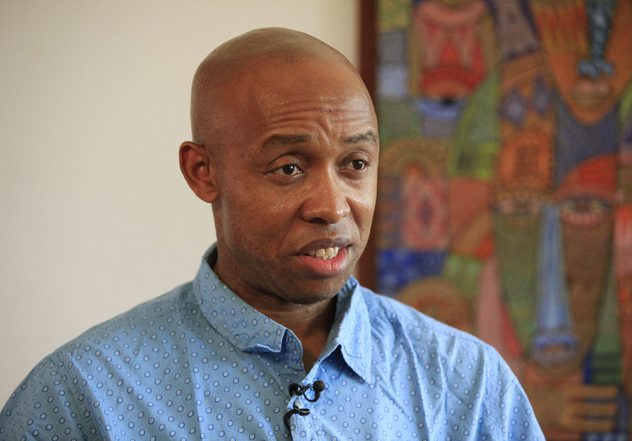
When President Bola Ahmed Tinubu presented his budget proposals for 2024 to Nigeria’s National Assembly, he highlighted human asset development, poverty reduction, and fighting insecurity as key priorities. In early February this year, his spokesperson, Bayo Onanuga, seemed to overlook this. He mentioned that 133 million Nigerians are multi-dimensionally poor but insisted that this was not the responsibility of the Federal Government. According to Mr. Onanuga, that duty lies with the states and local governments.
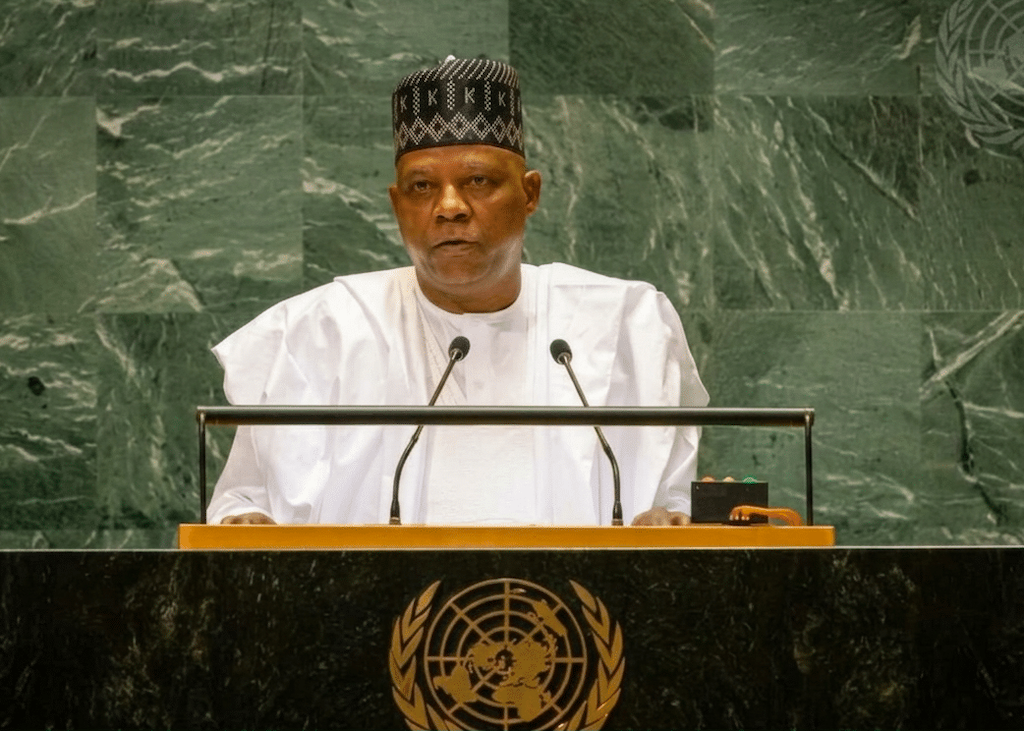
On the same day, 450 kilometers away, Vice-President Kashim Shettima strongly rejected Mr. Onanuga’s statement. This was during the launch of the South-East Development Commission (SEDC) consultation for its regional development plan called South-East Vision 2050 (SEV2050). At the event, Vice-President Shettima emphasized that the Federal Government must take action to eliminate poverty. He added that this effort must be inclusive, sustainable, and focused on peace and productivity.
The event in Enugu marked a significant moment for the SEDC. It is one of seven regional development commissions set up under President Tinubu’s Ministry of Regional Development. Each geo-political zone in Nigeria has its own commission, alongside the Niger Delta Development Commission (NDDC), which is the oldest and most funded.
SEV2050 appears to be a strategy to gain political backing and build constituencies. The SEDC successfully secured the support of governors from all five states in the south-east. In contrast, when the north-west commission held a similar event at the start of the year, none of the seven governors from that zone showed up, and the attendees were guests of the Senate North-West Caucus.
The SEDC Act of 2024 gives the Commission the task of managing funds from the Federation Account. This is for the reconstruction and rehabilitation of roads, houses, and other infrastructure damaged during the Civil War. The SEDC uniquely focuses on post-war reconstruction. During the consultation, one question arose: reconstruction from which war?
Anambra State governor, Chukwuma Soludo, tackled this issue in his speech. He stated that the region is recovering from not one but two major wars. The first was the Nigeria-Biafra war, which officially ended on January 15, 1970. The second, according to him, is an internal conflict that started in 2021. Some may find his dating of this second conflict too recent or artificial.
Governor Soludo did not specify who was involved in this second conflict. However, he made a critical point about the promise of rehabilitation and reconstruction after the first civil war, which has not been fulfilled. He implied that this failure made the second conflict almost unavoidable. Whether he did this on purpose or not does not change the situation.
While the SEV2050 consultation aimed for ambitious plans over the next 25 years, it could not ignore the ongoing need for reconstruction. It would be a mistake to focus only on physical structures and forget about the need to change minds and attitudes.
Vice-President Shettima recognized this in his remarks when he said the region is defined by both memory and motion. Like Governor Soludo, he did not say that this motion leads to real progress. The challenge is turning motion into movement and ultimately achieving regional growth more than 50 years after the conflict that still shapes Nigeria.
Signs of healthy competition among the south-east states were visible. This energy should be channeled positively. But as the states promoted themselves in Enugu, the event also highlighted the serious challenges facing the SEDC. Three main issues were obvious.
First is a mismatch of expectations. In Enugu, Governor Soludo told the Commission to be realistic. Yet, he still asked it to deliver a “Marshall Plan” for the south-east, referring to the US-led plan for Europe after World War II. He believes this plan should include regional security and inter-state infrastructure like railways and highways.
The problem is that if the SEDC tries to lead on security, it may clash with state governors. If it asserts leadership on infrastructure, it could fail. In a recent meeting with the Senate committee, it was revealed that the Commission only received ₦16 billion in its first 16 months, and none in the first nine months. They have received no capital funds to date.
Second, the SEDC needs to develop a viable business model. President Tinubu did not clearly outline a mission for the regional commissions. They are left to figure things out in Nigeria’s complex political landscape. Without a clear mission, the commissions face a gap between what people expect and what they can actually do.
People want quick help from these commissions. At the same time, local political elites see them as new ways to gain power and control funds, similar to the NDDC.
For years, the NDDC has set the standard for how regional development commissions operate. They often serve as fronts for corrupt practices, leaving citizens at the mercy of insiders who share development funds among themselves. By 2022, a report showed that 12,000 out of 13,377 NDDC projects were abandoned after trillions of naira were spent on them. As development agents, they have largely failed. If the SEDC follows this path, it could lead to disaster. But if it does not, it will face pressure from politicians claiming oversight.
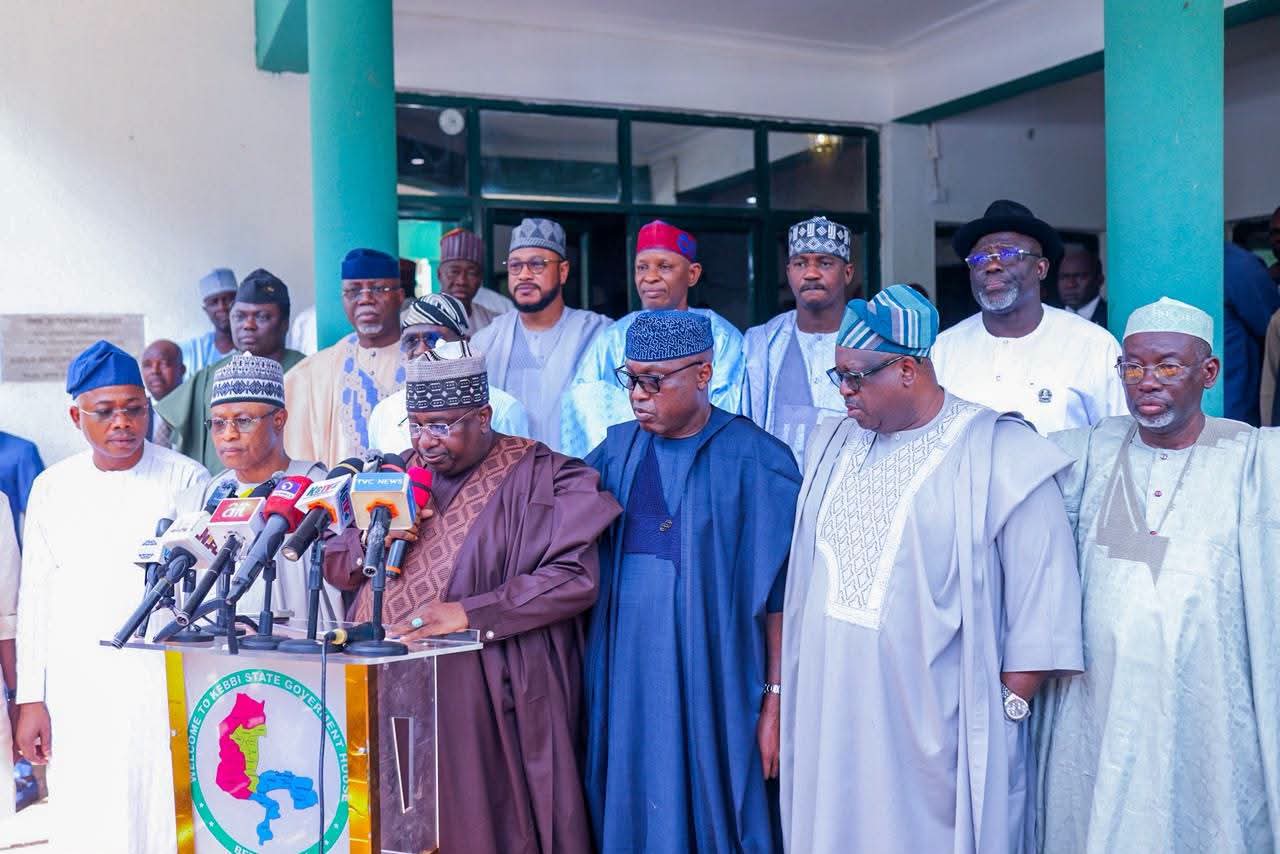
Third, the SEDC will likely encounter resistance from greedy politicians. The Enugu event was attended by the Vice-President, all south-east governors, and the Speaker of the House of Representatives, who was represented by Majority Leader, Professor Julius Ihonvbere.
Yet, the absence of key figures like Senator Orji Uzor Kalu, who chairs the SEDC Committee, was striking. He reportedly sent his daughter as a representative, though she holds no relevant public office. Anyone who thinks the absence of the National Assembly members was a coincidence does not understand the political dynamics.
The SEV2050 event in Enugu was likely as successful as the planners hoped. The SEDC appears to have plenty of goodwill and ideas as it begins its work. But it will also face many challenges.
Post-war reconstruction is a serious task. The SEDC lacks the resources and room for mistakes that have plagued the NDDC. If the Commission can stay focused on its mission and shield itself from political corruption, it may build a strong foundation for its work.
Drop your comment
No comments yet — be the first to drop the gist 👇