
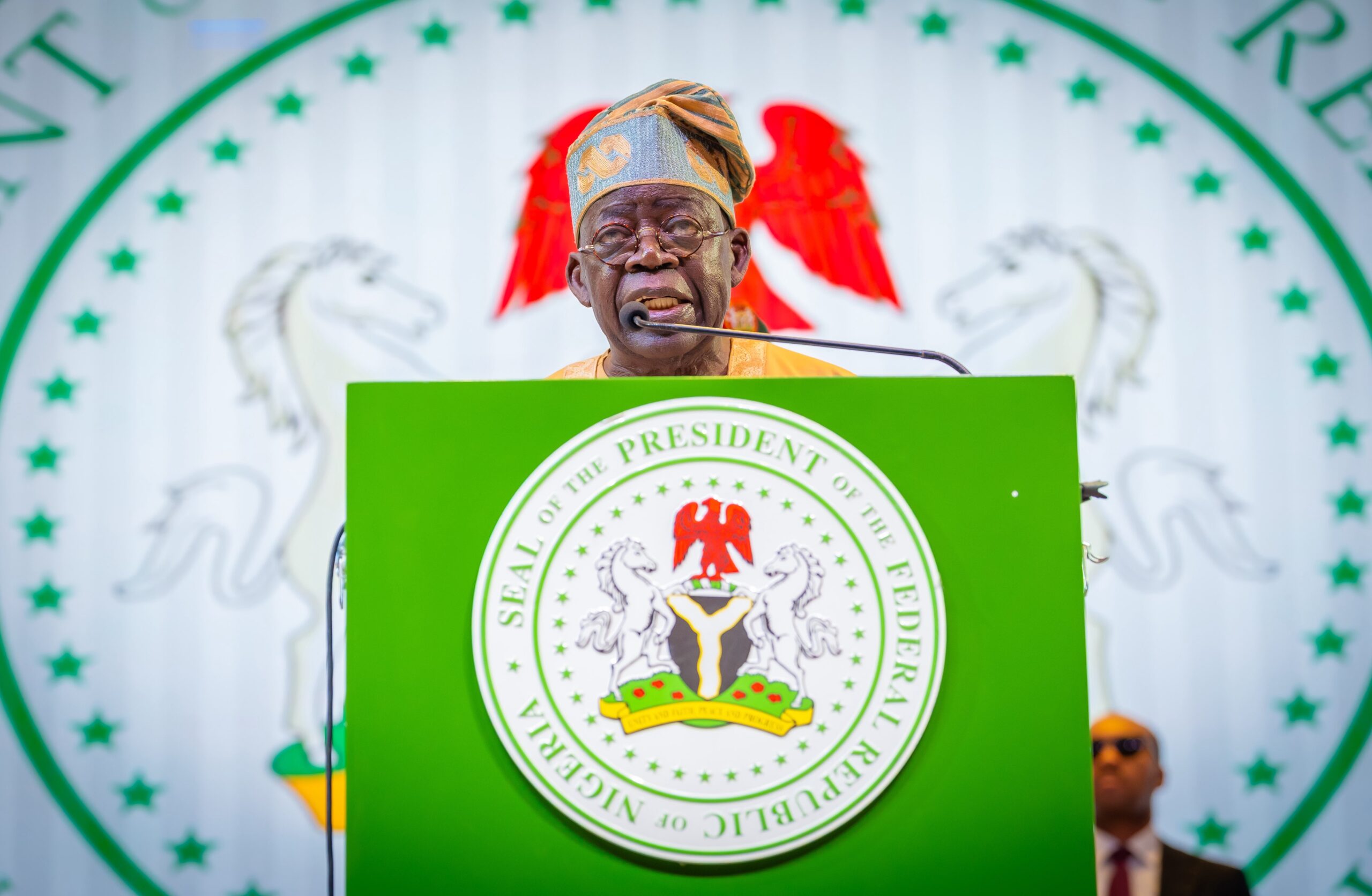
President Bola Tinubu has defended his government's economic policies. He said the changes made since 2023 have increased federal revenues. This has allowed states and local governments to put more money into important areas like healthcare.
In his Democracy Day speech on Friday, which marks June 12, Mr Tinubu recognized that these financial changes have caused hardships for Nigerians. But he insisted that they were necessary to save public finances from collapse and focus on national needs.
“Since 2023, our reforms have restored stability and credibility to economic management. Federation revenues have risen, providing states and local governments with more resources for infrastructure, education, healthcare, and security,” he said.
The President also talked about infrastructure projects helping the healthcare sector. He mentioned that the Rural Electrification Agency (REA), with support from the World Bank and African Development Bank, has successfully brought off-grid and mini-grid power to underserved areas, universities, markets, and hospitals.
Challenges in the Health Sector
Despite the government's claims of improved funding and infrastructure, Nigeria's health sector still faces serious problems. These issues limit actual healthcare delivery.
For the past three years, PREMIUM TIMES has shown the growing gap between what the government says it spends on health and the reality in many public facilities, especially at the primary healthcare level.
One big issue for the health sector has been the ongoing emigration of healthcare workers, popularly known as “Japa.” This trend has greatly reduced the country's medical workforce.
Reports from PREMIUM TIMES indicate that over 75,000 nurses and thousands of senior doctors left the country in five years. This has left public hospitals short-staffed and remaining workers overwhelmed.
By 2025, another report said attracting medical talent from the diaspora back home will be very hard due to poor working conditions and regular strikes.
Emergency Recruitment Efforts
The shortage of healthcare workers has hit local areas the hardest. Some state governments have started emergency recruitment to keep basic services running. For example, Delta State recently began hiring over 700 health workers to maintain its facilities.
Beyond the lack of staff, investigations have revealed problems with primary healthcare infrastructure in many states.
PREMIUM TIMES found many poorly equipped primary healthcare centers in rural areas. Pregnant women and newborns often face life-threatening situations due to the lack of basic equipment, medicines, and skilled staff.
Investigations in states like Bauchi also showed ongoing mismanagement of health funds at the local government level. Instead of fixing run-down community clinics, money was often used for other purposes, leaving many vulnerable people without essential healthcare.
All these challenges suggest that while more federal revenues may have given states more financial room, serious issues still block the effective use of these funds to improve healthcare for many Nigerians.
Drop your comment
No comments yet — be the first to drop the gist 👇