From the sacred hill of Ori-Odo to Ago Ishaga in Ilaro, Egungun Eyeba danced in its colorful outfit, exciting the crowd. It was the Oronna Festival, Ilaro’s biggest cultural event. The crowd cheered for the 17th-century general who saved the kingdom from Dahomean invaders.
There were dancers, singers, masquerades, poets, and acrobats.
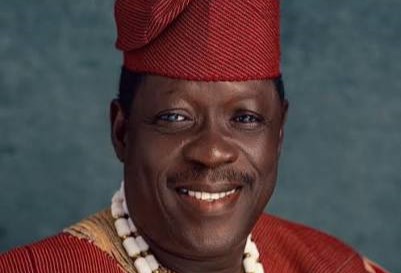
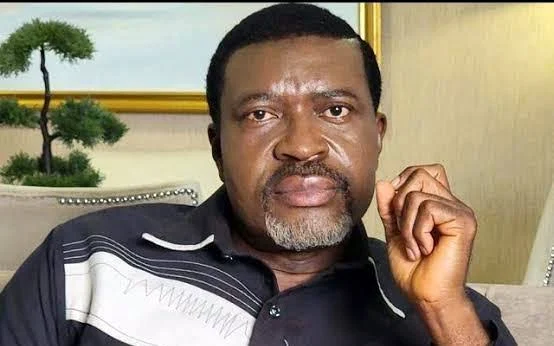
In the crowd stood a man who represented the artistic spirit of that cultural moment for four decades. He brought Ilaro into many Yoruba homes outside Ago Ishaga: Taiwo Babatunde Hassan, also known as Ogogo.
On Sunday, August 23, months after that celebration, tragedy hit. Ilaro was left in tears.
Ogogo was a central figure in the evolution of the Alarinjo travelling theatre. His work included Egungun performances and other artistic elements popularized over the years by Hubert Ogunde and others like Duro Ladipo, Ade Love Afolayan, Baba Sala, Oyin Adejobi, and Ojo Ladipo.
Think Bolojo, think Efe, think Gelede, think Oro.
Across Yorubaland, few groups shine as brightly as the Yewa-Egbado people of Ilaro and nearby towns, Agosasa, Ipokia, Igbogila, Imasayi, Sawonjo, and Tube, even reaching the borders of Benin Republic with their acrobatics and poetry.
It was in this rich tradition of Yewa-Egbado acrobatics and poetry that young Babatunde Taiwo Hassan grew. He transformed during his later years on screen.
For those watching early on, it was clear: young Taiwo Hassan was meant to be a chanter. He had the presence, the spirit, and the traditional background to thrive. But the man who became a big star turned out to be different. Ogogo of the 1990s was a confident, daring lover boy, while the younger Babatunde of the early 80s was a shy chanter.
Before retiring as an auto mechanic with the Lagos State Water Corporation in 1994, Ogogo struggled with doubts about the changes ahead. He loved chanting but worried about fitting into a different role on stage.
But before he passed away in August, he became one of the most charming lover boys in Yoruba cinema over the last forty years!
There isn’t any research to back this up, but many Yoruba husbands showed jealousy and insecurity in their homes in the late 1990s to early 2000s because their wives admired Taiwo Hassan Ogogo.
From Ibadan to Offa, from Sepeteri to Ilaramokin, from Iragbiji to Kobe, every young lover wanted to be like him. Women adored him without holding back.
In May 1990, he impressed everyone with his beautiful praise poetry at Hubert Ogunde’s funeral in Lagos. He became a household name not just for his skill in Yoruba poetry but for his charm and presence on screen.
Nearly forty years later, his artistic journey came full circle. Thanks to Femi Adebayo’s direction in the Netflix film Seven Doors, a younger generation saw a different side of the charming lover boy from their childhood.
Recently, I watched 'Owo Blow', a 1996 hit by Tade Ogidan and Wale Fanu. One thing stood out: Ogogo's greatest charm, and lasting legacy, was his Character. It was not just his looks or actions, but his admirable essence as a morally aware character that made him lovable, even when he played a villain.
In that sense, art and life blend. Ogogo cared about how characters were portrayed, even when he played the bad guy.
In Owo Blow, he was a charming gang leader who, unlike his friends, had a moral code against killing. In Irunmulowo, he was a good son who benefited from a robbery. In Ibinu Elewon, he was an angry young man taking the law into his own hands, and audiences strangely justified him. In Omo Olomo, he showed that fatherly love could rise above controversies.
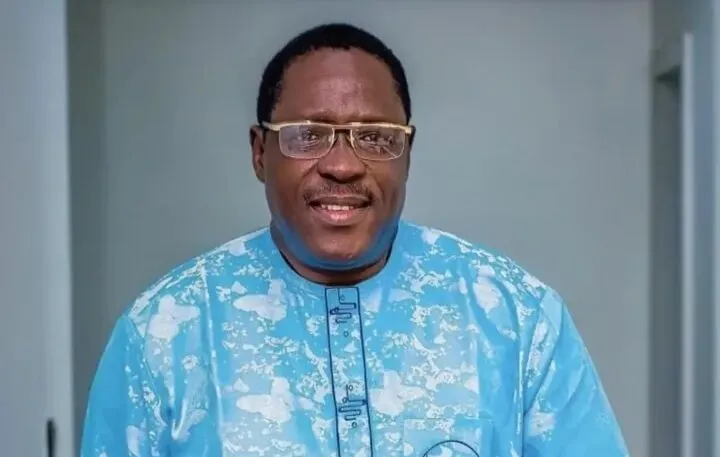
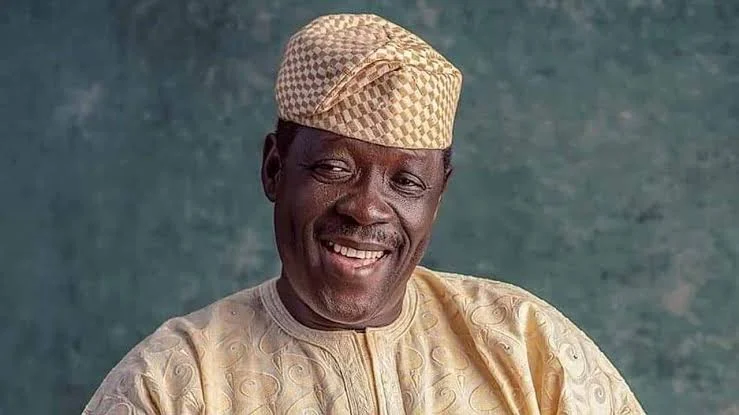
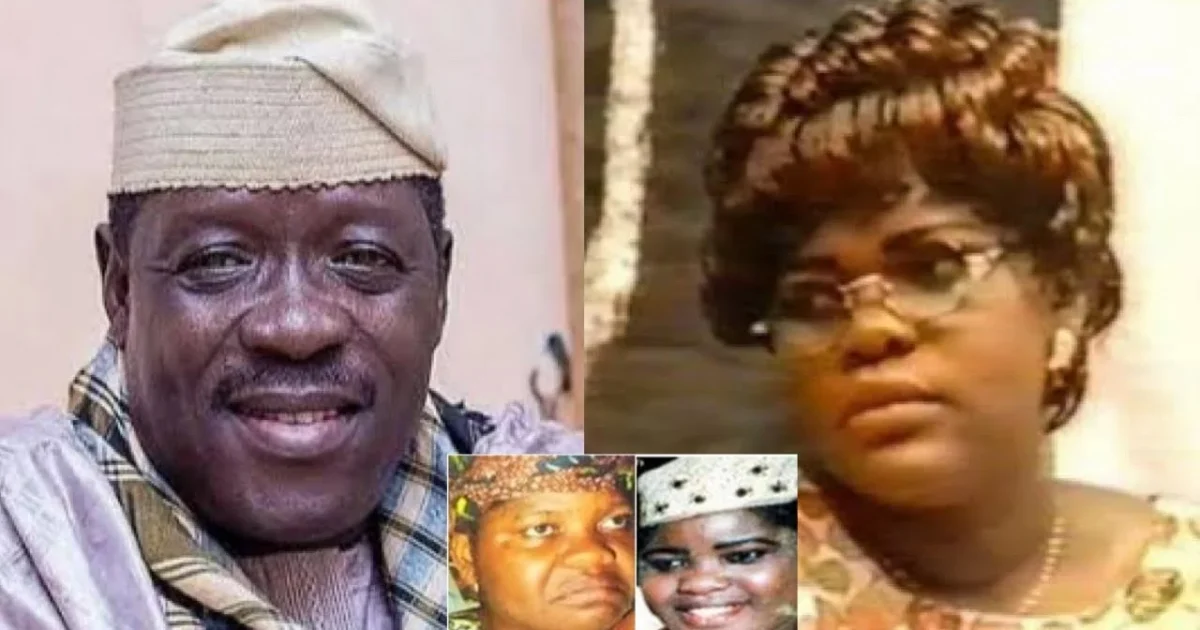
His characters had moral codes that clashed with their actions, but he always showed his vulnerability as a flawed, lovable person.
What made Ogogo successful as an actor for nearly forty years? His persona was developed on and off movie sets, dedicated to the principles of the Alarinjo Theatre. Art should entertain while teaching morals, condemning social issues, and promoting discipline.
Along with Yinka Quadri, Muyideen Alade Aromire, Fatai Oodua, Dele Odule, Rasaq Ajao, Abbey Lanre, and others, Ogogo was part of a generation linking Ogunde’s era and newer actors in the 1990s and 2000s. This included stars like Yemi ‘My Lover’ Ayedun, Thompson, Saheed Balogun, Yomi Fash, and Femi Adebayo.
Between Ogunde’s and Ogogo’s times, there was a generation with stars like Oga Bello, Jide Kosoko, Aluwe, and more.
When Ogunde passed in 1990, Ogogo was already a rising star, and the Alarinjo Theatre culture was changing with time, technology, and audience preferences.
In 1988, two years before Ogunde’s death, Alade Aromire created Ekun, the first-ever Yoruba home video on VHS. While Ogunde and Baba Sala used costly films, he made filmmaking accessible with video cassettes, paving the way for the Nollywood boom.
Though Aromire was Ogogo’s contemporary and a successful innovator, Ogogo had a deeper connection with audiences and was more successful on screen. They started as friends, but disagreements over leadership led to Aromire leaving the Odunfa Caucus, a major legacy in modern Yoruba cinema. Aromire, who tragically died in an accident in 2007, was seen as “arrogant” by some colleagues.
By the mid-1990s to early 2000s, everything changed, and Ogogo’s generation became the link between the fading past and an uncertain future.
As a leading figure, while shaping the future, Ogogo reflected the artistic views of three key pioneers: Hubert Ogunde, who criticized greed and corruption; Duro Ladipo, who focused on Yoruba mythology; and Ade Love Afolayan, known for romantic dramas.
From Hubert Ogunde, Taiwo Hassan emphasized using theatre to teach morals. From Duro Ladipo, he captivated audiences with historical chants. From Ade Love, he embraced the romantic side of being a lover boy.
Away from the spotlight, he embodied these ideals at different times in his life. On the busy streets of Odunfa, he was disciplined. In Ikorodu, he was a loving father. At Ago-Ishaga in Ilaro, he entertained with chants and poetry. He was flawed but admirable.
Ogogo’s legacy goes beyond film sets. He is remembered by music lovers, too. For Olamide Bad’oo, he was the king of “Action.” For Fuji Star Saidi Osupa, he was “Agbomojo,” a father figure. For Wasiu Alabi Pasuma, he was the ideal Mr Nice Guy.
I once said that Ogogo didn’t excel in storytelling, and his character development often made his films seem weak.
But he was a great actor, no, he was The Actor.
So here’s to Ogogo, the actor who lived in the dreams of boys from my childhood; Ogogo, the performer who shone like a star in the arena; Ogogo, the chanter whose small voice echoed far across the Yewa River bank:
Ogogo, ọmọ ikú lódo
Ọmọ adìẹ sùn, wọ́n ṣebí kùkù ló kú,
Kí wọn tó lótàtán, adìẹ dìde ó yan fándá.
Ìlarò ọmọ erin lóníbú,
Ọmọ ẹfọn ló nọ̀nà,
Ọmọ pàkàn làkàn lẹ́yìn jíjọ,
Àwò nì gboórí ilẹ̀,
Ọmọ iná tín jó gẹregẹre lórí omi,
Ọmọ òkú dúdú tí kò ya kùnràn.
Ọmọ Kúlódò tó tì dẹrù lẹ́wà,
Ọmọ kìníkìn-ín ò joye l’Ẹ́sà,
Tó bá wá joye l’Ẹ́sà ńkọ́?
Ilésanmí lásán lọba yín mú wọn jẹ.
Sun n re o.


Drop your comment
No comments yet — be the first to drop the gist 👇