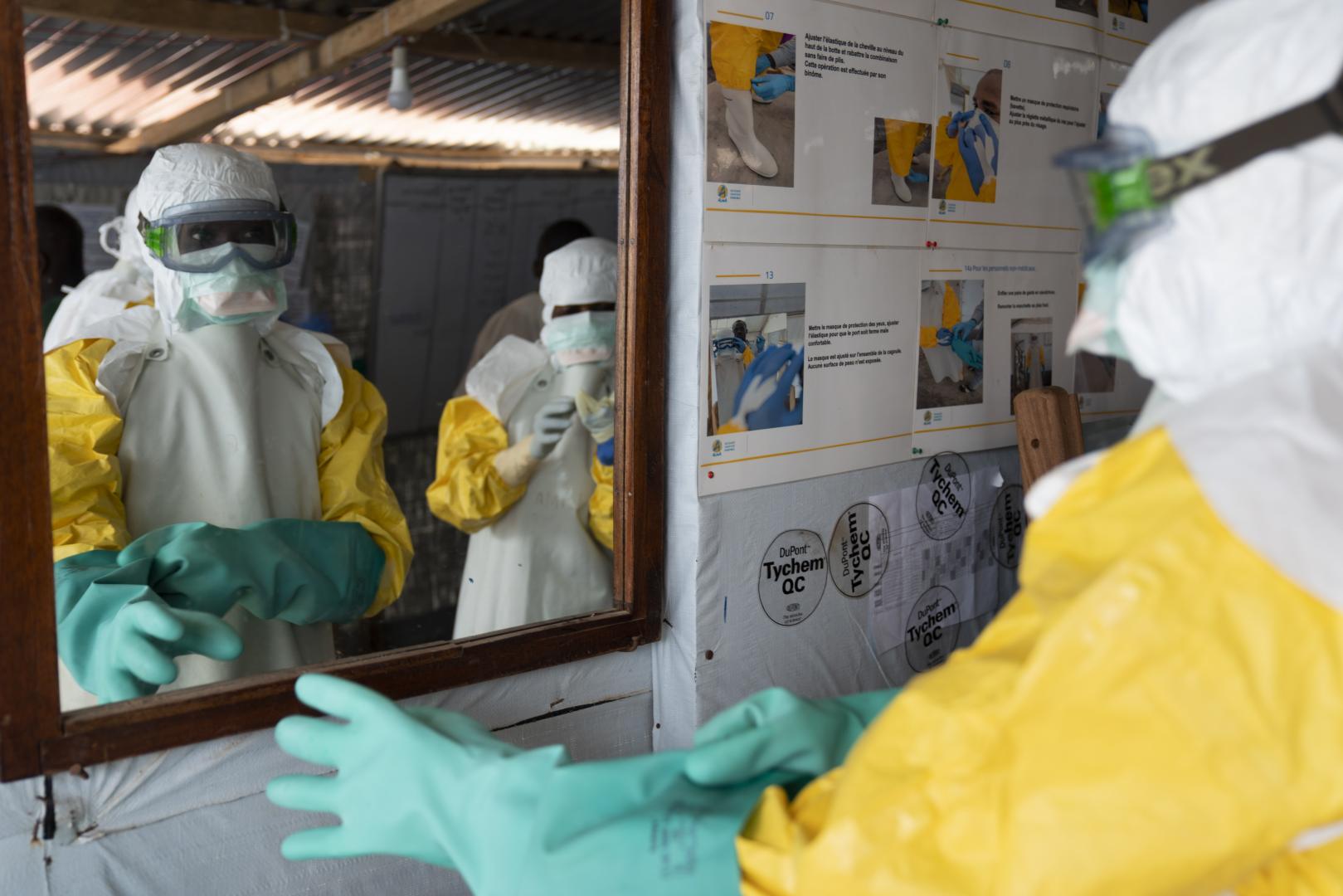
The World Health Organisation (WHO) and the Africa Centres for Disease Control and Prevention (Africa CDC) have declared Uganda free from the Ebola outbreak. This announcement came after the country went 42 straight days without a new confirmed case.
In a joint statement released on Friday, both organisations said this milestone followed the discharge of the last Ebola patient in Uganda, who was an imported case, on 16 July 2026.
The 42-day period is double the maximum limit of Ebola’s incubation time. This is the standard measure for confirming that an outbreak's transmission has ended.
Uganda had previously announced that local transmission stopped on 28 July. This followed 42 days without any new locally acquired cases.
Health authorities kept watching for new cases and maintained other outbreak control actions after the last imported patient was discharged. This was to make sure there was no hidden chain of transmission.
Uganda declared the outbreak on 15 May after confirming cases related to the ongoing outbreak in the Democratic Republic of the Congo (DRC).
The country recorded 20 confirmed cases of Ebola from the Bundibugyo virus. Out of these, 15 were imported from the DRC while five were locally acquired cases involving health workers and contacts.
Eighteen patients recovered, but two people died. Over 800 contacts were tracked and monitored during this outbreak.
The outbreak was controlled through quick detection and confirmation of cases, contact tracing, isolation and treatment, infection prevention measures, community involvement, and improved surveillance at health facilities and border points.
WHO Director-General, Tedros Ghebreyesus, said Uganda’s situation shows that Ebola outbreaks can be contained if countries prepare well, detect cases quickly, and have effective surveillance.
He mentioned that better surveillance in health facilities and communities, along with careful management at entry points, can help countries stop further transmission while allowing people and goods to move safely.
“Uganda has shown that with strong action, Ebola outbreaks can be controlled quickly,” Mr Ghebreyesus stated.
The end of Uganda’s outbreak comes while Ebola is still spreading in the DRC. The outbreak there has affected several provinces.
PREMIUM TIMES reported earlier this month that the DRC had recorded 4,665 confirmed cases and 2,184 deaths as of 12 August. This makes it the largest Ebola outbreak ever seen in the country.
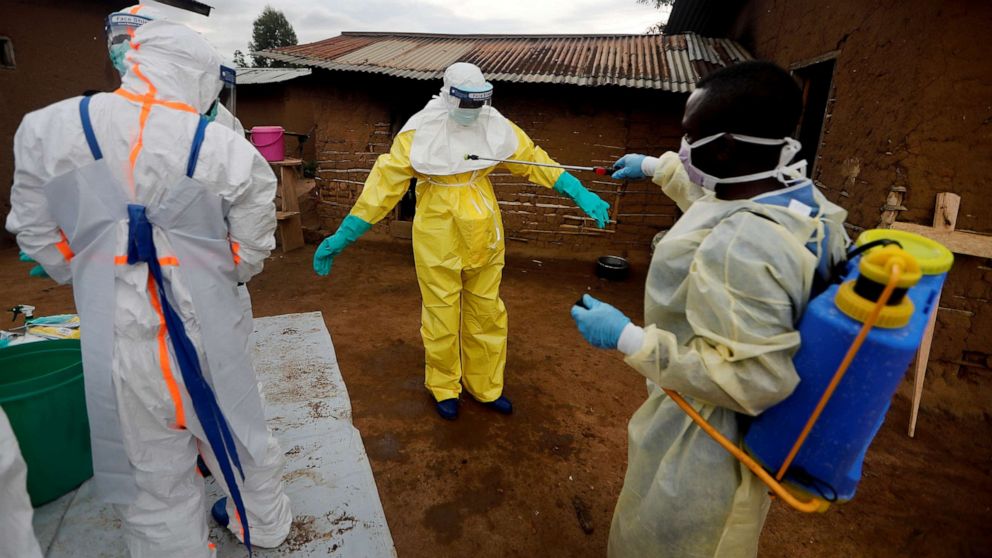

The outbreak spread from Mongbwalu health zone in Ituri Province to 54 health zones across six provinces.
Africa CDC Director-General Jean Kaseya highlighted that Uganda’s success shows how important decisive leadership, community involvement, and accessible public health systems are in stopping Ebola.
He added that this success should be protected while response efforts in the DRC are stepped up, where the virus is still spreading.
“Uganda has shown that Ebola can be stopped when leadership acts decisively, communities are trusted, and public health systems reach people quickly,” Mr Kaseya said.
WHO Regional Director for Africa, Mohamed Janabi, also said that while the end of Uganda’s outbreak is a significant achievement, countries must keep investing in preparedness to shield communities from future outbreaks.
He pointed out that Uganda’s experience shows the importance of ongoing investment in disease surveillance, preparedness, and response systems.
“Ending an Ebola outbreak is a big win, but the real goal is to build a stronger defense against future health threats.”
Despite the continuing outbreak in the DRC, WHO said it does not recommend travel or trade bans against affected countries.
The organisation stated that countries should not stop flights, close borders, or deny entry to travelers from countries facing Ebola outbreaks.
Instead, it urged countries to maintain international travel and trade while enhancing measures for early detection, preparedness, and cross-border coordination.
WHO and Africa CDC called for ongoing disease surveillance and testing capacity, quick investigation of alerts, strong infection control in health facilities and communities, and continued community engagement.
They encouraged countries to bolster cross-border coordination. They also promised continued support to the governments of Uganda and the DRC through a joint continental preparedness and response plan.
Ending transmission in the DRC is still a top priority to protect communities in the region and prevent further international spread.



Drop your comment
No comments yet — be the first to drop the gist 👇