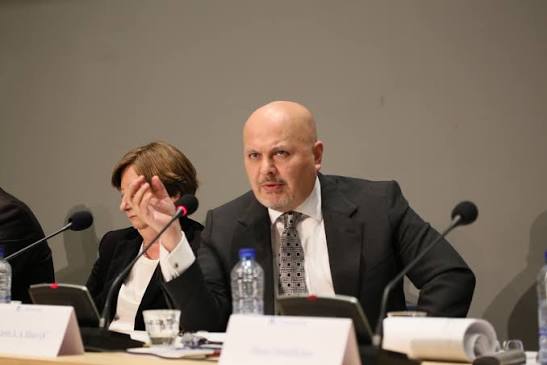
The US imposed major sanctions on the International Criminal Court (ICC) on Friday. This happened just hours after former judge Navi Pillay received the 2026 Nobel Peace Prize.
Reuters reported that the Donald Trump administration is targeting companies that work with the court. The sanctions will stop all US-based companies from working with the ICC. This means banks will have to close accounts, insurers will stop coverage, and software firms will end their cooperation.
Secretary of State Marco Rubio called the court a rogue institution. He added that it will never be able "to prosecute Americans." Rubio explained, "That is why, today, the United States is sanctioning the International Criminal Court. We will ban transactions with this rogue court, cutting off their resources and crippling its ability to operate."
Even though the US has previously sanctioned some ICC officials and prosecutors, this is the first time the court itself has faced sanctions. This move has drawn criticism from the international community, including US allies. These sanctions came shortly after the Nobel committee awarded the Peace Prize to South African judge Navi Pillay. She served on the ICC’s Appeals Chamber from 2003 to 2008.
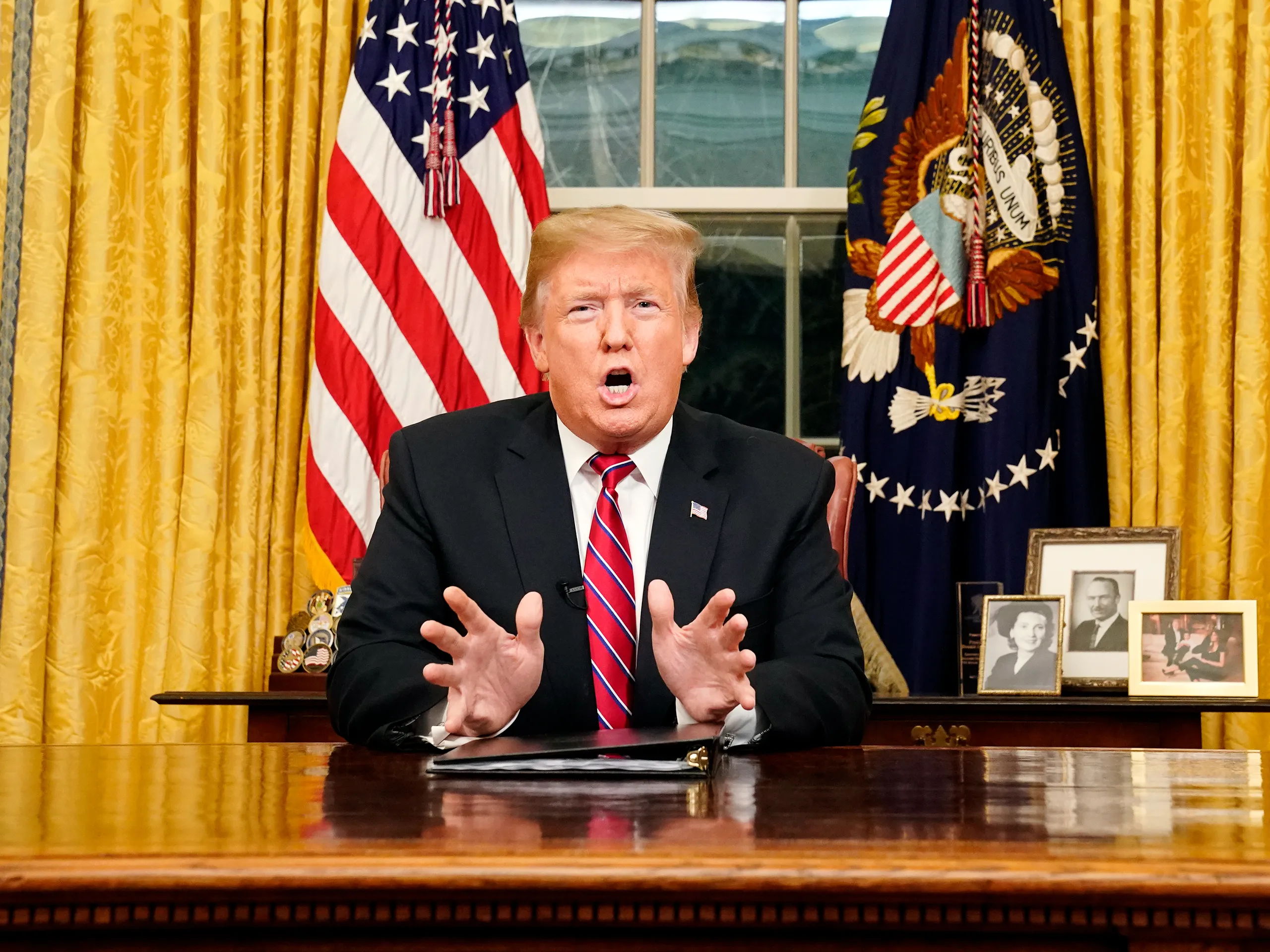
The US government had earlier sanctioned officials from the Hague-based court. This was for issuing arrest warrants for Israeli Prime Minister Benjamin Netanyahu. The US also asked the ICC to change the Rome Statute, its founding document, to prevent investigations into Mr Trump and his top officials at the end of his term.
The new sanctions come with a six-month grace period. Rubio said this would give the court and its member states time to address US concerns. The sanctions also allow some transactions for telecoms, software, pension payments, and dealings related to detainees.
The ICC has condemned the US actions. They called it an attack on the rule of law and the international legal order. The Hague urged its 125 member states to support it.
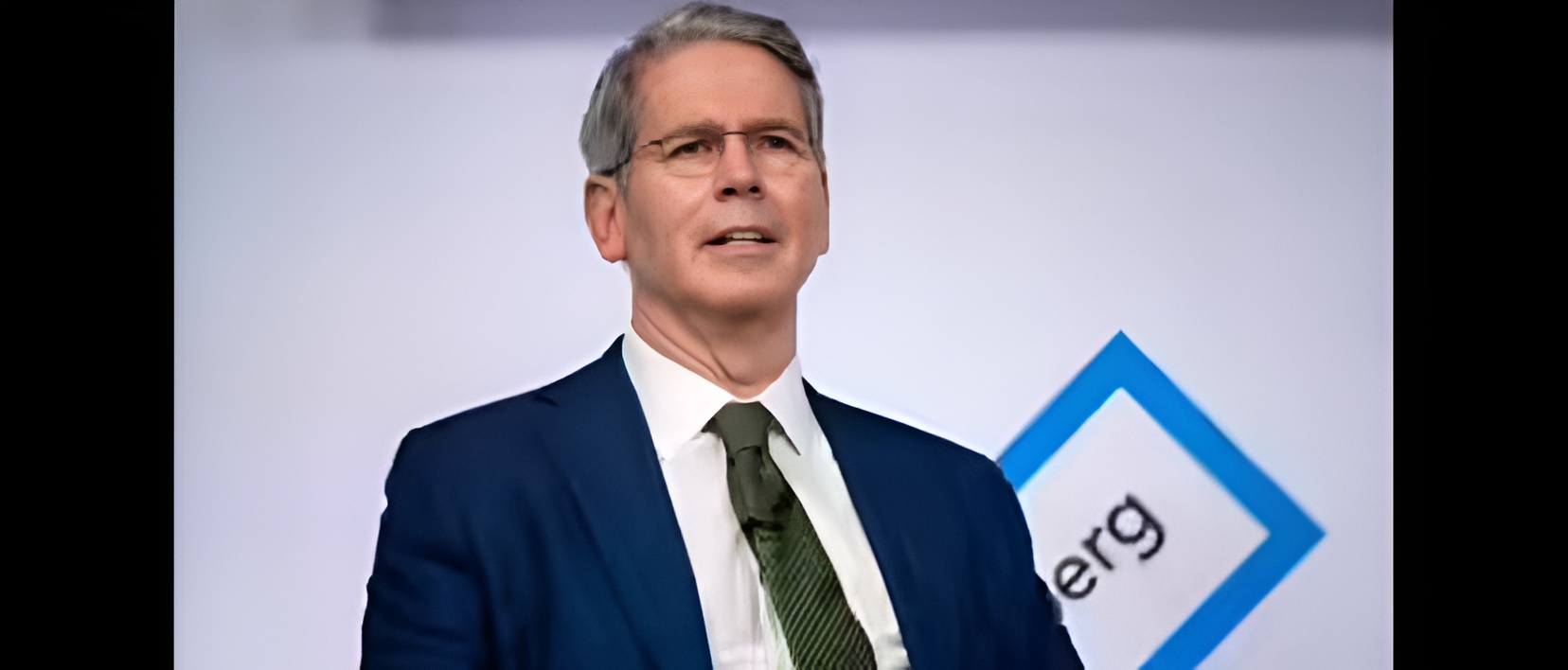
ICC Deputy Prosecutor Nazhat Khan said the sanctions aim to weaken the rule of law globally and the work of an independent judicial body. She stated, "Our work will continue across all our situations, our investigations and our prosecutions."
The Nobel Committee backed the ICC, calling the US sanctions a political attack that threatens legal order. They said, "An international legal system in which war criminals are held to account, and the victims of abuse see justice served is a precondition for a peaceful world."
Mr Trump’s actions have put the US at odds with its usual allies. Several European countries have rejected the US sanctions against the ICC. Canada and Japan also expressed their "strong disagreement" with the US.
On Friday, these countries issued a joint statement criticizing Washington’s decision to sanction the court. The statement was from Denmark, Germany, France, Italy, Japan, the Netherlands, and the United Kingdom. They said, "We regret and strongly disagree with the announcement of sanctions to be imposed upon the Court by the United States."
Many European leaders noted that US actions will have "enormous consequences for the court’s work and for the investigation of the most serious international crimes."
Drop your comment
No comments yet — be the first to drop the gist 👇