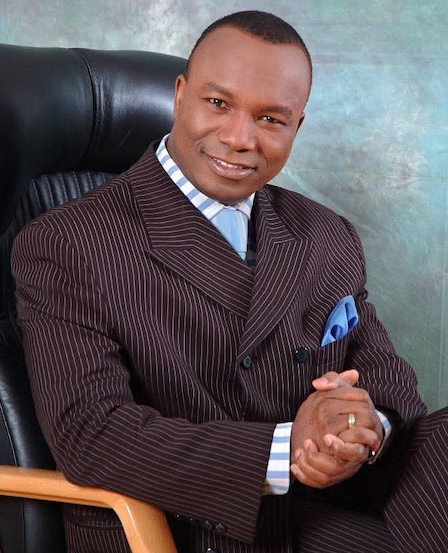
My aim in this article is not to support a specific candidate like before. This time, I want to examine Nigeria's political scene. I want to point out lessons that could help all political players in the future.
Sadly, many people jump to conclusions about my articles based on their political loyalties. They see things in black and white. If the article supports their candidate, it is good. If not, it is bad. They say if you are not with us, you are against us.
This is a pity. These articles highlight hidden truths that many involved in politics may miss. It takes someone who is not deeply involved to see and identify these facts. If taken seriously, these articles could help improve our political future, especially for opposition politicians and those looking to run for top political offices in Nigeria.
In this article, I want to ask my Obidient followers to take their time before condemning this piece. I urge you to carefully analyze the facts I present. You might learn some things that could help your political future.
Let us begin.
The big question is what could have happened right after the 2023 election.
Instead of keeping the Obidient movement focused only on Peter Obi, it could have been turned into a lasting civic-political organization.
For instance:
A national structure
Six geopolitical zones → State organizations → Local government branches → Ward organizations → Polling-unit volunteers → Professional groups → Diaspora chapters → Policy and research institutions → Candidate development.
The movement could have brought in people not just to support Obi, but to create a political philosophy around:
- productivity;
- education;
- infrastructure;
- security;
- healthcare;
- industrialization;
- constitutional reform;
- anti-corruption;
- entrepreneurship;
- national unity.
This distinction is crucial because political movements outlast their leaders when the organization becomes bigger than the individual.
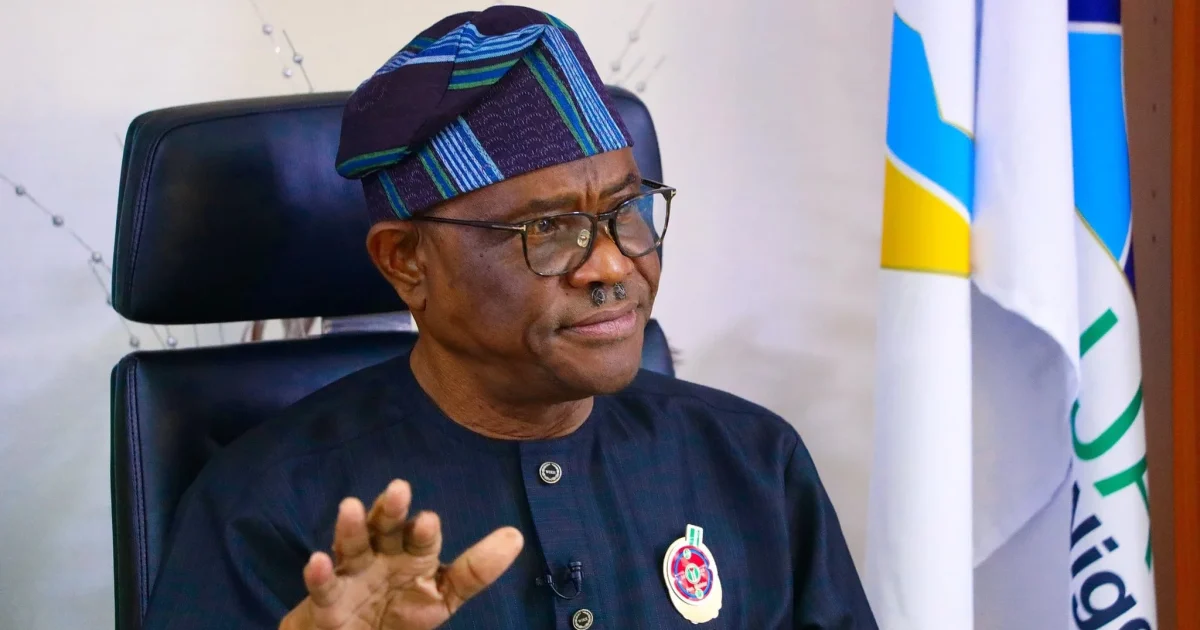
The key lesson from Wike is not necessarily that his policies or choices are better. It is his understanding of leverage.
Wike has shown he can operate outside typical political alignments.
In 2023, he stayed a PDP governor while refusing to back the PDP presidential candidate.
Now, he is still linked to the PDP while working in Tinubu’s APC-led government and forming a coalition to support Tinubu’s re-election.
This shows a specific political philosophy: Party membership provides one source of power; relationships provide another.
Wike seems to value the second more.
This is where the comparison with Obi becomes significant. Obi’s political support was broad: Many people felt connected to a national vision.
Wike’s support is more directed: Political leaders tied to political structures.
Tinubu’s support combines both: organized structure plus broad alliances.
The best political framework usually needs both. That is why I am not focusing on Tinubu here. My analysis shows that he is likely to win the 2027 election easily. I focus on Obi and Wike because they represent the future of Nigerian politics. What they do after the 2027 elections will shape their legacies in Nigerian politics.
A politician needs supporters who believe in the message and those who can organize the system.
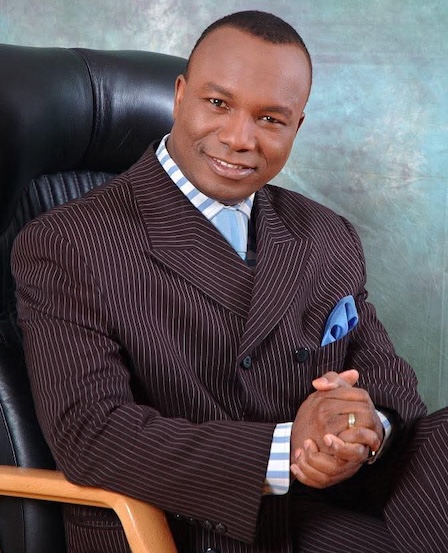
The 2023 election should be seen as not just an election Obi lost, but as a clear sign of political demand.
INEC recorded over six million votes for Obi.
But the poor performance of the Labour Party in many governorship elections showed that presidential popularity does not automatically create a strong statewide political organization.
That gap between electoral excitement and organizational strength is a key lesson.
What does this mean for Obi and Wike’s future?
Instead of guessing who will be Nigeria’s next president, a better question is: What must each man show to become a serious national presidential candidate?
For Obi, the main issue is whether his large personal following can turn into a strong national organization. This organization must recruit political leaders, win legislative and governorship elections, build structures across the North and South, and maintain unity beyond the presidential campaign.
Obi’s political path is changing fast: he moved from the Labour Party into a broader opposition alliance.
For Wike, the question is different. His strength lies in political organization and elite relationships. The key question is whether the Rainbow Coalition can gain widespread support across Nigeria, instead of just being a network of political actors backing one presidential candidate.
These challenges are quite different.
Nigeria’s political history shows that neither mass appeal nor elite organizations alone are enough.
A candidate needs:
- popular support
- grassroots organization
- elite alliances
- acceptance across regions
- financial backing
- credible candidates
- polling-unit teams
- a strong national message
- the skill to negotiate coalitions.
The historical question now is whether either model can fill in the missing pieces.
The biggest lesson from these three political careers is that political capital comes in different forms.
Peter Obi showed the amazing power of mass mobilization.
Nyesom Wike showed the importance of political leverage, coalition-building, and relationships across party lines.
Bola Tinubu showed the value of long-term institution-building, planning for succession, and political alliances.
The best political organization would ideally combine the strengths of all three models: Obi’s ability to inspire millions, Wike’s ability to negotiate political structures, and Tinubu’s long-term skills in building and maintaining a political system.
Whether Nigeria’s future political leaders can create such a blend will be more important than any one politician’s personality.
And that might be the most valuable lesson from the 2023 election: Gaining millions of votes is political capital; turning those votes into institutions, leaders, structures, and lasting alliances is political power.
These articles are not for mass appeal or popularity contests. But as the saying goes, a word is enough for the wise. If these four articles help even one future Nigerian politician, then it will be worth the effort.
Drop your comment
No comments yet — be the first to drop the gist 👇