The World Health Organisation (WHO) has warned that gaps in routine immunisation are making Nigerian children exposed to diseases that can be prevented. The agency urged the government to boost health funding and improve disease tracking and outbreak readiness.
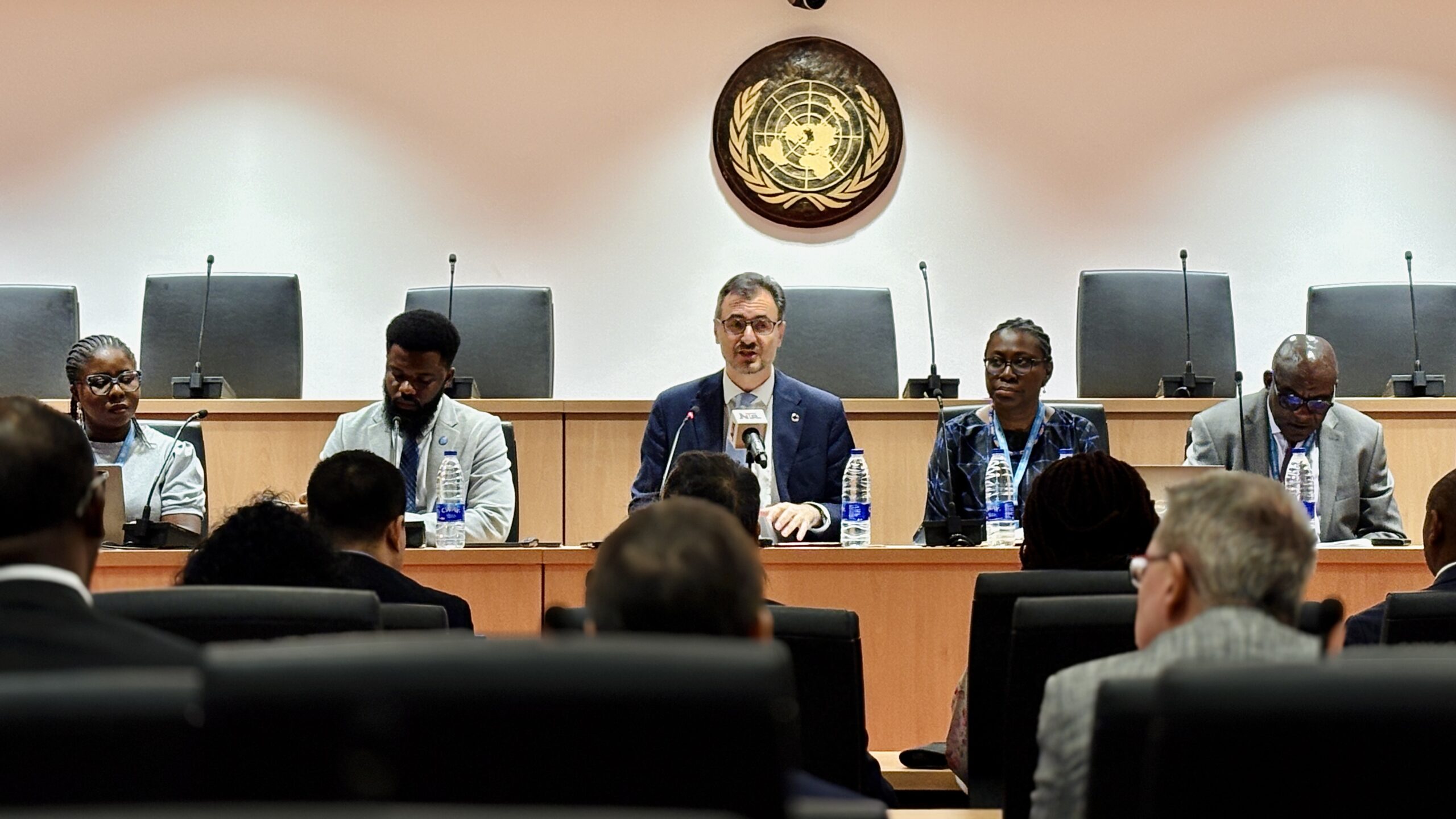
Pavel Ursu, the WHO representative in Nigeria, raised this issue on Tuesday during the Health Diplomacy Dialogue held in Abuja. This event gathered diplomats and health officials to talk about health security, disease outbreaks, global health funding, and resistance to medicines.
Mr Ursu pointed out that Nigeria is still having problems managing vaccine-preventable diseases like measles and circulating vaccine-derived poliovirus. This is happening even with help from international partners.
He mentioned that Nigeria's immunisation programme needs to reach about eight million more children each year, which puts more stress on the health system. "If we want to maintain the same level of performance, we have to invest more," he said.
Mr Ursu acknowledged the support from Gavi, the Vaccine Alliance, and other partners in providing vaccines and supplies. But he insisted that Nigeria must increase its own funding and take more responsibility for protecting its people.
He also talked about changes in global health cooperation, like the drop in health aid and talks about changing the global health system. He said African nations need to boost their health funding, strengthen health systems, expand digital health services, and support local production of health supplies.
The dialogue was set up to give a space for the WHO and diplomatic missions to share information on public health issues, new threats, and international health policies. This is especially for embassies that do not have dedicated development cooperation programs.

Mr Ursu called for better international cooperation, including sharing information quickly and coordinating responses to outbreaks that might cross borders.
Alex Chimbaru, the WHO emergencies adviser, spoke about health security. He said Nigeria's disease outbreaks show ongoing weaknesses in immunisation coverage, disease tracking, and access to clean water and sanitation.
He noted that over 700 children have been disabled by the circulating vaccine-derived poliovirus in past years, warning that the real number could be higher. Mr Chimbaru also pointed out that cholera is a serious public health issue. He cited poor water, sanitation, and hygiene facilities, insecurity, and population displacement as challenges to preventing and managing outbreaks.
He highlighted that Borno State made up 96 percent of cases in the area discussed during his presentation. This shows the urgent need for targeted actions in vulnerable communities.
According to him, the WHO, other UN agencies, Médecins Sans Frontières (MSF), and other partners have been supporting the response through surveillance, logistics, case management, vaccination, risk communication, and infection control.
Mr Chimbaru called for ongoing investment in water and sanitation systems, effective public health emergency operations centres, quick response teams, and better cooperation across borders to stop outbreaks. He also urged development partners to support government-led health systems instead of creating separate ones, emphasizing that sustainable funding and stronger primary healthcare services are vital for health security.

Drop your comment
No comments yet — be the first to drop the gist 👇