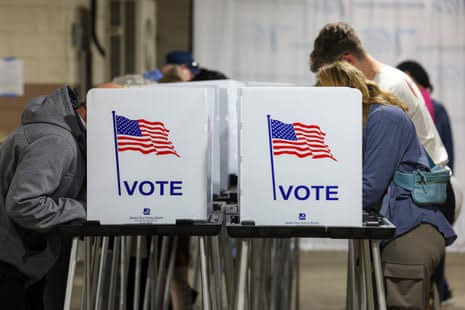
Americans experienced a ‘blue wave’ in the midterm election as Democrats took control of the US Congress.
With the votes counted, it seems the country is split into two sides. One side is celebrating the victory and the change in power in Washington. The other side is worried about what this means for the future.
Here are some of the winners and losers from this year's US midterm elections.
Winners
Democratic Party
The Democrats are the biggest winners of the election. They secured victories in both the House and Senate, gaining full control of Congress after a tough defeat in the 2024 presidential election.The Democratic Party is estimated to have a Senate majority with 54 seats compared to 44 for the Republicans. In the House, Democrats have 245 seats against 145 for the Republicans.
They took six Senate seats from Republicans, winning in Texas, Ohio, Kansas, Iowa, North Carolina, and South Carolina.
This election gives Democrats the power to block President Donald Trump’s legislative plans. They can question executive decisions and challenge the administration’s agenda.
American voters
The Democratic win in the midterm election shows that many Americans are unhappy with Mr Trump.The election is seen as a strong rejection not seen since 1974, with Democrats winning areas they hadn’t won in years.
Celebrations erupted in many parts of the country, especially on social media, over historic wins.
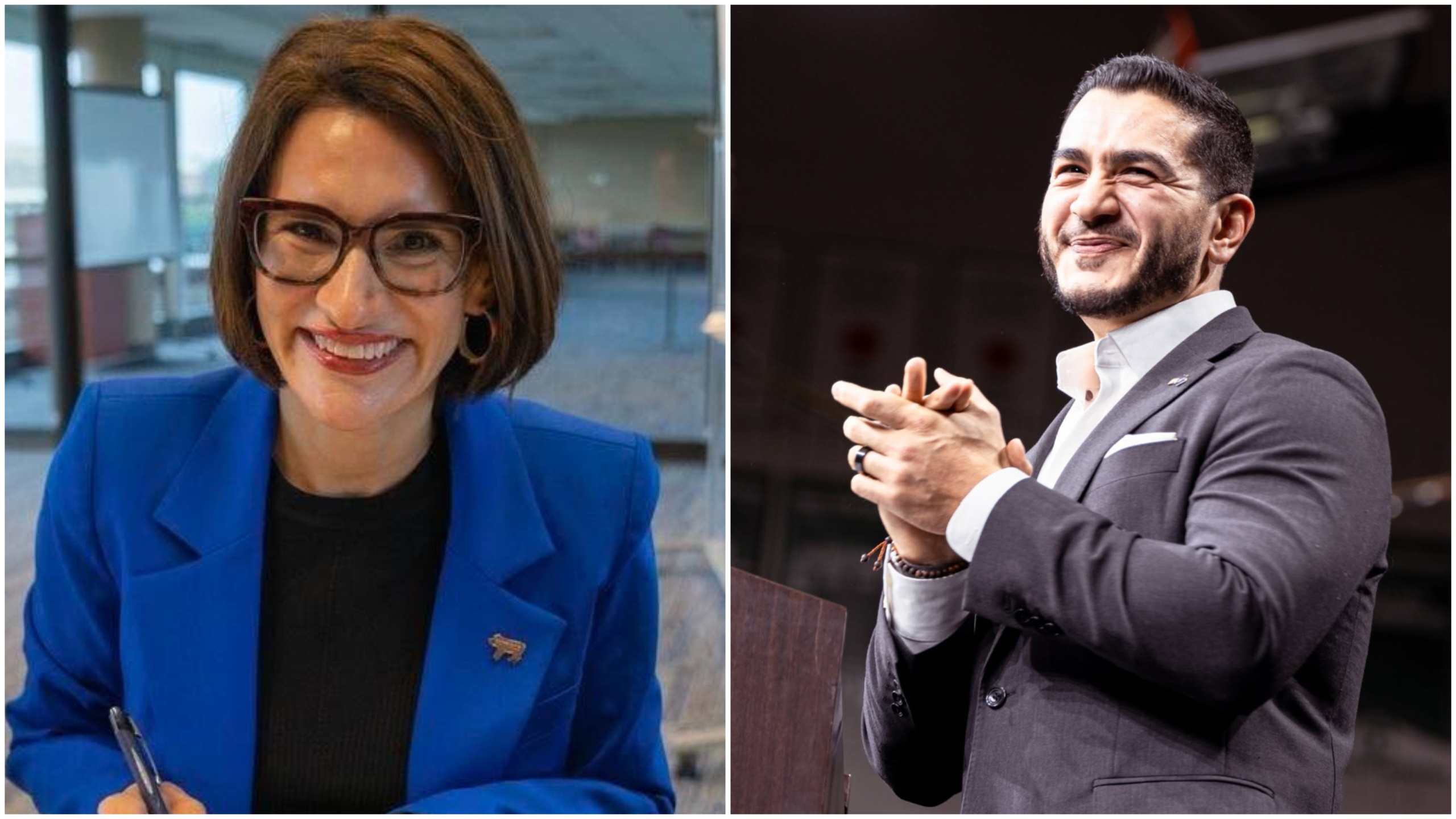
For example, Abdul El-Sayed's win in Michigan was celebrated by his supporters. When he spoke to mark his victory, the crowd cheered loudly and held up their phones to capture the moment.
Mr El-Sayed is the first Muslim man elected to the Senate. He campaigned on a platform that included universal health care and a tax on billionaires.
Observers noted that Americans voted for candidates who focused on economic issues, healthcare, immigration, and political responsibility.
Obama
Even though he was not on the ballot, the victory also helps former President Barack Obama. It supports his political legacy and influence as a leader in the Democratic Party.Mr Obama campaigned for candidates in the final weeks of the race. His role as the party’s top speaker raised anti-incumbent feelings.
Some say bringing Mr Obama into the campaign was a risky but smart choice. He had kept a low profile until the last weeks of the race.
Mr Obama has also criticized the Trump administration, especially its foreign policies in the Middle East.
“This election is our last, best chance of at least reining him in, reining in some of the foolishness of this administration. It is the circuit-breaker in the system, and we need to flip it,” he said during a campaign in Georgia last month.
Massie and MT Greene
The midterm results also supported outgoing Kentucky congressman Thomas Massie and former Georgia Representative Marjorie Greene.Both Republicans were allies of Mr Trump during his campaign but later criticized his policies. They opposed the war in Iran, foreign military actions, and rising living costs they say he ignored.
They also pushed for the release of the Epstein files and faced political backlash for going against Trump.
Ms Greene left Congress in January after a disagreement with the president, and Mr Massie lost his primary to a Trump-backed challenger in May.
Iran
The midterm election has made the Iranian government happy. Iranian parliament speaker Mohammad Ghalibaf said the results show Americans are against war.“Conscience or the cost of living, Americans said NO TO WAR, and we endorse this message.
“If the US government betrays their public will to serve international paymasters and blackmailers, it will learn our NO comes with a Nightmare,” Mr Ghalibaf wrote on X.
Even though the US and Iran are still technically at war, fighting has stopped as both sides claim control of the Strait of Hormuz.
Mr Trump had threatened to restart attacks on Iran after the midterms but those plans might change because of the Republicans' loss.
Democrats took advantage of voter dissatisfaction with the US war in Iran. So, controlling Congress could affect Mr Trump’s ability to continue the war in the Middle East.
While the president still has a lot of power as commander-in-chief, Congress can use its budget powers to limit or deny funding for certain military actions.
Rest of the World, including Nigeria
The midterms also have effects on the rest of the world, especially trade partners and allies.Mr Trump’s policies have included random tariffs on countries, including allies like Canada, and undermining international institutions like the UN and WHO.
Although the president still has many powers for foreign policies, losing control of Congress could limit these actions.
Other countries might see the American elections as proof that most Americans do not support Mr Trump’s controversial foreign policies. They may believe things could go back to normal once he leaves office in two years.
Losers
Trump
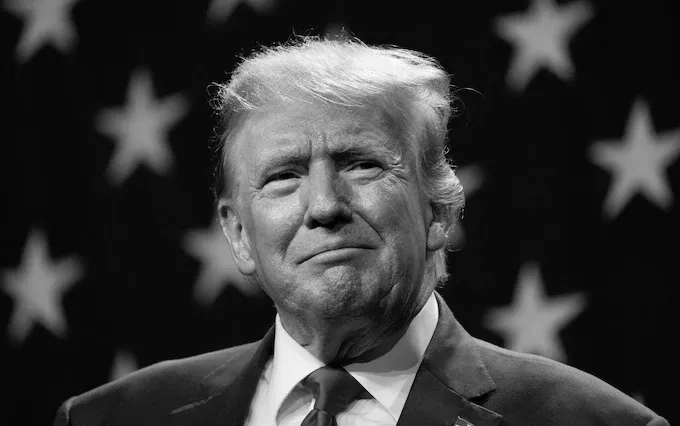
The biggest loser in this election is definitely Mr Trump. He took a big risk in the elections and even asked voters to act like he was on the ballot, so they could vote for his party’s candidates, many of whom he chose himself.Most voters rejected him and what he stands for.
The midterms also showed that voters were unhappy with Mr Trump’s foreign policy moves in the Middle East.
Mr Trump admitted the war in Iran hurt his party’s chances. He said voters were likely unwilling to deal with the immediate effects of rising petrol and diesel prices due to the war.
Republican Party
The Republican Party is also hurting from the loss. The BBC reported that Party members were shocked at first and then got angry.Their anger is directed at Mr Trump, whom they say brought them down with his unpopular policies and focus on construction projects in Washington.
Party members claim the US leader cared more about his legacy than the concerns of voters.
Republicans have called the result a major disaster.
Since Mr Trump returned to office, he has tried to reshape the Republican Party in his image, facing little resistance from traditional Republicans. It was only before the elections that some candidates began to distance themselves from him.
Now the party must recover after failing to stand up to Mr Trump.
JD Vance
The midterms were also a loss for Vice President JD Vance, who is expected to run for president in 2028.Mr Vance said the war in Iran is the main reason for the Democrats' big win.
In his first comments after the election, Mr Vance urged Republicans to be honest about the war’s effect on their campaigns.
He explained that many voters who supported Mr Trump were promised no new wars, a focus on living costs, and a change in relations with Israel.
As vice president, Mr Vance is thought to have opposed the Iran war but could not stop his boss from starting it or publicly criticize him.
Although he is still seen as a top candidate for the Republican ticket in the next presidential election, the Democrats’ win and Americans' rejection of Trump may affect his chances.
Haley Stevens
A Democrat who lost in the midterm election is Haley Stevens, who was Mr El-Sayed’s opponent in the Senate primary in Michigan.She surprised party officials on Sunday by supporting Republican Mike Rogers against her own party’s candidate.
Ms Stevens backed the Trump-supported candidate after attending a church service with him.
She hoped her last-minute support for Mr Rogers would win over some of her Democratic supporters. But it backfired as Mr El-Sayed won easily.
Now there are talks that Ms Stevens could be kicked out of the Democratic Party.
Benjamin Netanyahu
Israeli Prime Minister Benjamin Netanyahu put his faith in Mr Trump in the midterms and lost.This came after his right-wing coalition failed to gain a majority in Israel’s parliamentary election held last week.
Both leaders had ordered a joint military attack on Iran that started the Middle East war lasting about nine months.
Before the elections, they supported each other and urged their supporters to vote for them.
A Congress that could limit Mr Trump’s plans could also impact Mr Netanyahu, who wants to continue the war in the region.
AIPAC
The American Israel Public Affairs Committee (AIPAC) also faced a big defeat.AIPAC is the largest pro-Israel group in the US.
The group was an early supporter of the war and helped fund campaigns against House and Senate candidates who wanted to cut aid to Israel.
It spent over $55 million in the midterm elections but did not achieve its goals.
Many Americans still oppose AIPAC and other pro-Israel lobby groups. Due to public pressure, AIPAC recently announced it would stop directly funding pro-Israel candidates but would ask its supporters to donate directly to the candidates.
Elon Musk
The world’s richest man, Elon Musk, put a lot of money on Republican candidates for this year’s midterms.He spent nearly $500 million to help Republican candidates win in several states. Over 20 percent of that money was used in Texas to keep it red. But it turned blue as Democrats won in areas they hadn’t won in years.
Mr Musk worried that his businesses might face scrutiny from a Democratic-led Congress. His fears may now come true.
Drop your comment
No comments yet — be the first to drop the gist 👇