My first experience with couscous was on an Ethiopian Airlines flight from Washington Dulles to Addis Ababa. I still don’t know why I picked it. Maybe I wanted something familiar. Or maybe the flight attendant, a beautiful Tigrayan woman, caught my eye. Whatever the reason, I can’t blame my dislike for couscous on its taste alone.
As a Nigerian, I know food can be an acquired taste. Many of our favorite dishes would confuse outsiders. Take ogiri, for instance. It is a condiment made from oil bean seeds that are left to rot. To someone unfamiliar, the smell can be strong. But to us, it is a treasure.
My problem with couscous is different. It looks like Jollof rice but tastes nothing like it. Each spoonful gives me a feeling of being tricked. In my quirky opinion, it feels like a culinary trick.
I later learned that couscous is a staple food and a cultural symbol in the Maghreb region, especially in Morocco, Algeria, and Tunisia. Made from tiny granules of semolina, it is not just food; it represents a shared tradition that connects the region.
Maybe it is just me, but I feel couscous represents my views on North Africa’s complex relationship with the rest of Africa.
From afar, North Africa seems undeniably African. But on closer look, its politics, culture, and priorities often lean elsewhere. The continent is recognized when it suits them, but rarely embraced as a true community.
That might sound harsh, but many people south of the Sahara share this view. It deserves real discussion, not just sweet talk about African unity.
For most of my life, I have believed in the idea of Africa. Not because we share the same skin color, language, or customs, we clearly don’t. But history has placed us on the same land. Colonial powers drew borders without considering existing cultures. We inherited a shared map. The right response is to build on that through unity, cooperation, and respect. The challenge is that unity cannot be one-sided.
More and more, sub-Saharan Africans are questioning whether North African governments and people really see themselves as part of Africa or if they only use the African identity when it suits them.
Across sub-Saharan Africa, many are rightly angry about xenophobic attacks in South Africa. Many have condemned violence against foreign nationals and called for protection for migrants. The moral stance is clear: Africans should not harm their fellow Africans just because they crossed a border looking for better opportunities. Yet, that same outrage often disappears when abuses happen in North Africa.
Reports show mistreatment of sub-Saharan migrants in North African countries. There are accounts of arbitrary arrests, forced expulsions, and physical abuse, especially against those trying to reach Europe through Morocco or Libya. The shocking images from Libya’s slave markets showed migrants being traded in modern slavery. Mauritania still struggles with the issue of hereditary slavery despite laws against it, and many Haratins face serious discrimination.
These are not just rumors. They have been reported by respected organizations and journalists. This does not mean North African countries can’t enforce their immigration laws. Every country has that right. Nigeria does it. Ghana does it. Kenya does it. The United States certainly does. The issue is not about border control. It is about human dignity.
There is a big difference between deporting an undocumented migrant and disrespecting their humanity. The videos and stories that have come out over the years are disturbing. It’s not just about migrants getting arrested; it’s about how they are treated like they have no value. This should worry every African.
To be fair, the issue does not rest only with North African governments.
The worst problems start much further south. Corrupt governments in sub-Saharan Africa have destroyed opportunities, weakened institutions, and stolen from their own people. Millions of young Africans take dangerous migration routes because their leaders have failed them. The Mediterranean has turned into a graveyard because too many African governments ignore human suffering.
If Nigeria, Sudan, Eritrea, Mali, or other countries provided security, jobs, and functioning systems, fewer young people would risk their lives with smugglers. We cannot ignore this reality. But recognizing one injustice does not excuse another.

Another part of this discussion is about identity. North African countries have complex identities influenced by Arab, Amazigh, Mediterranean, and African cultures. There is nothing wrong with that. Identity can be diverse. The worry comes when African identity is treated like a transaction.
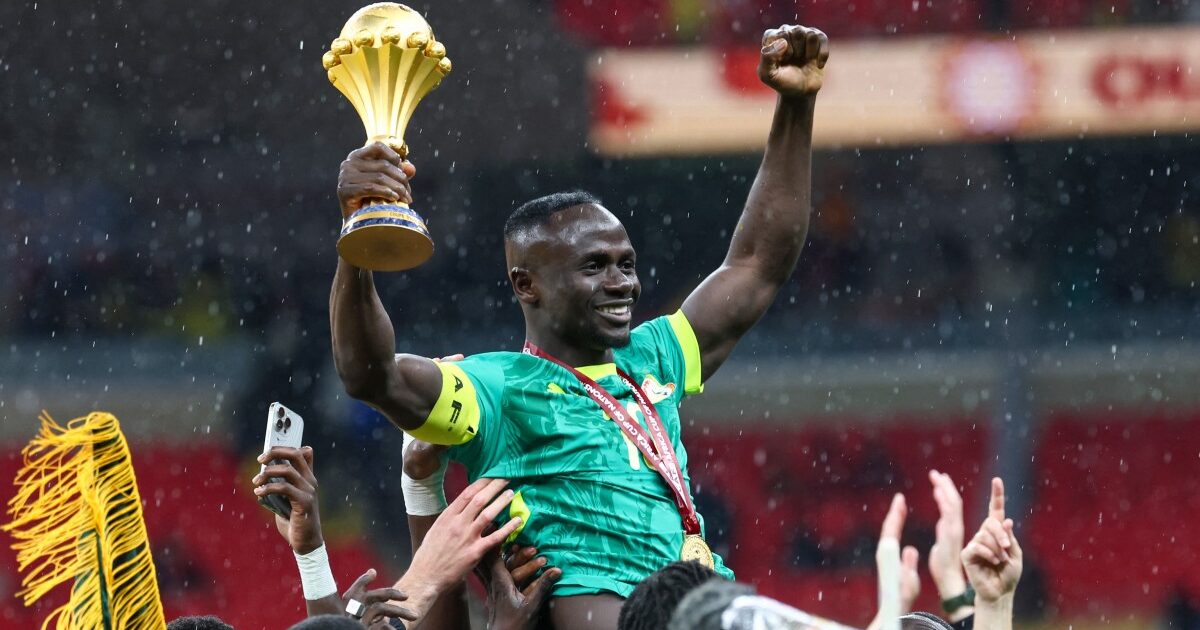
During international sports events, continental organizations and media often celebrate North African wins as victories for Africa. African unity is loudly proclaimed.
Yet, many sub-Saharan Africans wonder if that unity is returned in daily life, migration policies, racial attitudes, diplomacy, and public discussions. Brotherhood that only shows up during football matches is not real brotherhood. It is just branding.
The late Muammar Gaddafi shows the need to separate words from actions. Many see him as a great Pan-Africanist. They mention his calls for unity, a common currency, and support for the African Union. There is some truth to this view. But there is another side.
Gaddafi’s actions in Liberia, Sierra Leone, and other places were not about selfless Pan-African ideals. After being rejected by the Arab League, he sought influence in Africa. His government armed and funded rebel groups that fueled civil wars and led to countless African deaths.
Those actions served his own interests more than Africa’s collective needs.
This is not the Pan-Africanism envisioned by leaders like Kwame Nkrumah, Nnamdi Azikiwe, Julius Nyerere, or Patrice Lumumba. Their vision was about freedom, equality, and shared progress. It did not involve spreading instability to weaker neighbors.
Sub-Saharan Africa must approach its relationship with North Africa with maturity, not illusion.
Maturity does not mean hostility or naivety. North African countries are key economic partners. They have advanced industries, strategic ports, growing manufacturing sectors, and valuable diplomatic influence. Working together is important and necessary. But cooperation must be based on reality.
Sub-Saharan Africa should stop thinking that geography means automatic solidarity. Relationships between countries are driven by interests. When interests differ, sub-Saharan Africa must protect its own priorities without guilt. Pan-Africanism should not be a reason to ignore unequal relationships or stay silent in the face of discrimination.
African unity cannot thrive as a slogan recited at meetings while migrants suffer at borders. It cannot grow if one part of the continent calls for solidarity but lacks empathy. Nor can it succeed if sub-Saharan Africans keep romanticizing relationships that are not always equal.
Maybe that is why I still cannot warm up to couscous. It looks like rice, but it is not rice. Similarly, some relationships may seem like brotherhood until reality shows otherwise. The lesson is not that North Africa is the enemy. It is not. The lesson is that real partnership should be measured by consistent mutual respect, not just by speeches or flags.
Sub-Saharan Africa should see North Africa as equal partners, not imaginary siblings tied by sentimental stories. Genuine friendship should be embraced wherever it exists. Cooperation should be strengthened wherever interests align. But trust, like respect, must be earned, not assumed.
This is not cynicism. It is just a start to a more honest talk about what Pan-Africanism should look like today.
And yes, I couldn’t cheer for either Morocco or Argentina in the recent World Cup. It was my small way of protesting how both countries treat people who look like me.

Drop your comment
No comments yet — be the first to drop the gist 👇