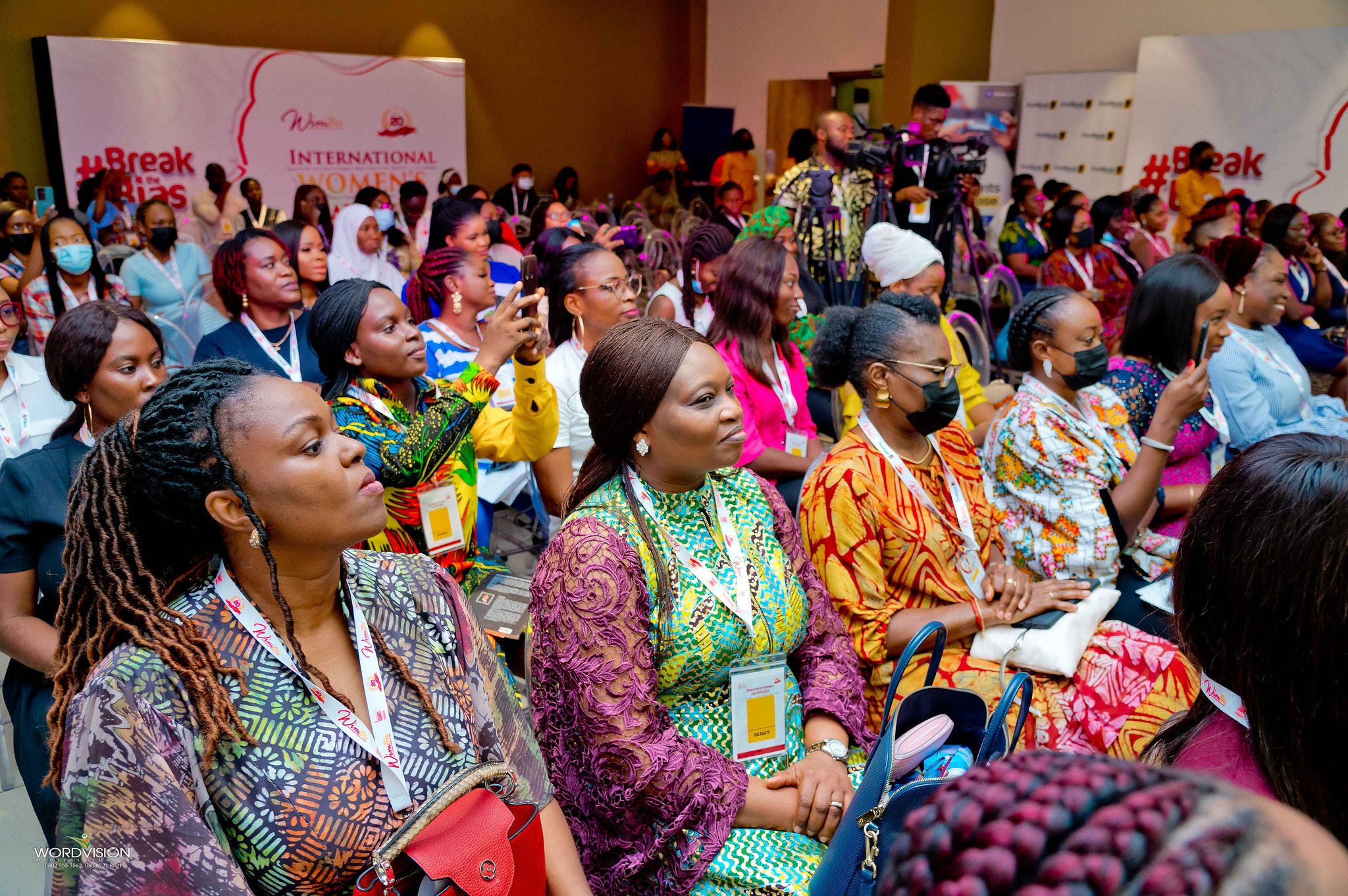
A recent look into political parties before the 2027 elections shows that gaps in the Electoral Act, high nomination fees, and money politics are making it hard for women to take part and become candidates.
Gender rights advocates and electoral experts shared these findings on Wednesday during a media briefing via X Space, where they discussed an audit of internal party elections.
Cynthia Mbamalu, a gender and human rights advocate, stated that the Electoral Act 2026, which allows only direct and consensus modes for party primaries, does not provide clear rules for direct primaries.
Ms Mbamalu explained that Section 86 of the Act leaves the creation of guidelines up to political parties, which leads to a lot of room for abuse and reduces transparency.
“Normally, direct primaries should have helped marginalized groups, especially women, but how parties have done it has closed the door,” she said.
As the Director of Programmes at Yiaga Africa, Ms Mbamalu pointed out that weak rules let parties mess with membership lists and screening processes. She called this the first step of exclusion.
She added that the screening processes are tough on women and aspirants not supported by party leaders, pushing some women to drop out or run against unfair results.
High nomination fees and the power of governors, especially in the All Progressives Congress (APC), are big barriers for women, she noted. Even when fees are reduced, it does not guarantee they will be included.
Ms Mbamalu urged a review of disputed primaries and the reinstatement of women who were allegedly forced out despite winning their slots.
During the webinar, Toun Sonaiya, Executive Director of Voice of Women Empowerment Foundation, accused political parties of making exclusion a norm through consensus arrangements and unclear candidate selection.
Representing a group of women-led organizations, including the Voice of Women Empowerment Foundation, Women in Politics Forum, Gender Strategy Advancement International, and the Ene Obi Centre for Development, she said women who meet party requirements are often pressured to step down or replaced through secret deals.
Ms Sonaiya pointed out that women make up 49.5 percent of Nigeria’s over 200 million people but hold less than 4 percent of National Assembly seats, 4.7 percent of state assembly seats, and no governorship roles. She added that women are missing in 14 state houses of assembly.
She noted that despite Nigeria’s promises under various international agreements like CEDAW and the Beijing Platform for Action, implementation has been weak.
Showing historical data, Bukola Shonibare of Invictus Africa said the number of women in elections has been low since 1999.
Ms Shonibare mentioned that the highest number of female presidential candidates was 8.2 percent in 2019, while 2023 dropped to 5.6 percent.
For Senate elections, the highest was 16.7 percent in 2015, and the lowest was 7.4 percent in 2007. Data for 1999 and 2003 was not available.
Ms Shonibare reported that only three parties have more than 20 percent female aspirants: the Peoples Democratic Party (PDP) at 28.2 percent, Youth Progressive Party (YPP) at 22.7 percent, and Youth Party (YP) at 20 percent.
The lowest were the National Rescue Movement (11.8 percent), APC (10.4 percent), and the New Nigeria Peoples Party (NNPP), which had no female aspirants.
She added that the APC had 2,008 aspirants (1,799 men and 209 women), while the PDP had 1,271 aspirants (913 men and 358 women).
Austin Aigbe, a gender equity advocate, warned that these numbers would “definitely nosedive,” saying low female representation is becoming a problem in Nigeria’s politics.
Mr Aigbe stressed that the issue can only be fixed through laws, not just training or advocacy.
He criticized what he called tokenism by parties, mentioning that fee discounts are often taken away during consensus arrangements, leaving women out of the final candidate lists.
The coalition urged political parties and state governors to publish data on women who bought forms, were screened, stepped down, or were excluded, as well as those who became candidates.
They also wanted an end to secret exclusions, the adoption of strong inclusion policies, and the nomination of female deputy governorship candidates alongside male candidates.
The group called on the Independent National Electoral Commission (INEC) to improve oversight of party primaries and ensure fairness.
They also asked President Bola Tinubu to support the passage of a special seats bill for women in the National Assembly, stressing that it is a democratic correction, not charity.
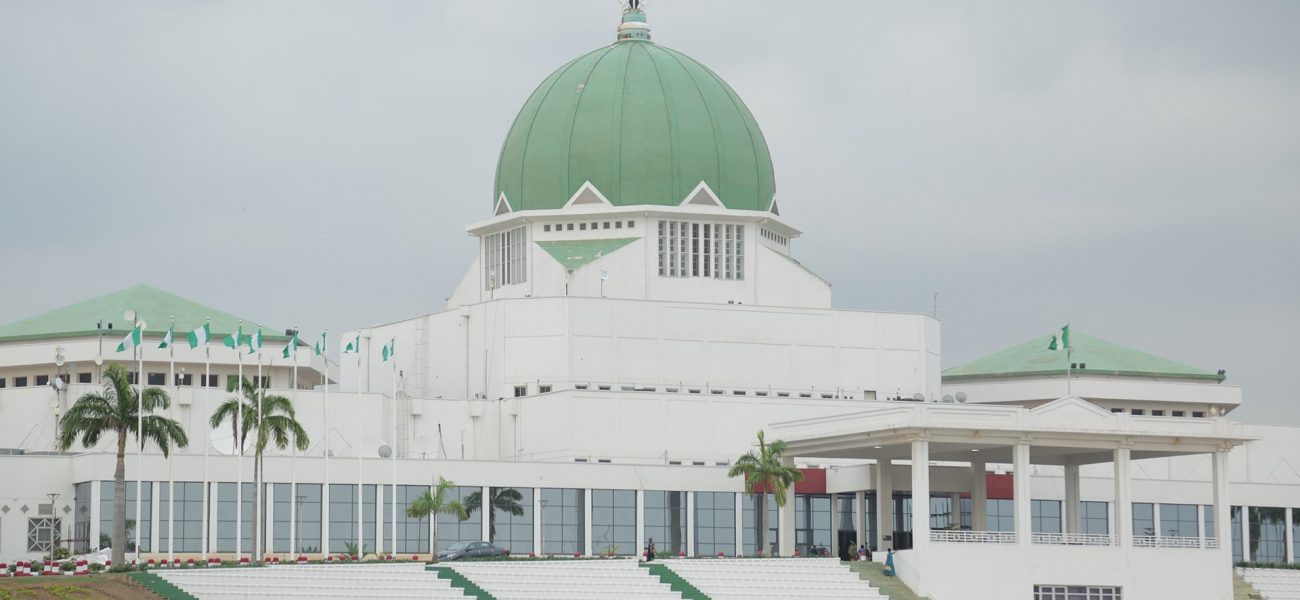
Women’s representation in Nigeria’s government is low. Of the 360 members in the House of Representatives, only 17 are women, and in the Senate, there are just four women out of 109 members.
Efforts to boost women’s participation in politics have been ongoing, but progress remains slow.
As elections approach, political parties, civil society groups, and lawmakers have pushed for reforms to enhance women’s representation. Still, many of these efforts face difficulties or lack the political backing needed to succeed.
One of the latest attempts is the Reserved Seats for Women Bill, supported by the Deputy Speaker of the House of Representatives, Benjamin Kalu, along with 12 other lawmakers.
This bill aims to tackle Nigeria’s ongoing gender imbalance in political offices by creating more seats for women in the National Assembly and state Houses of Assembly.
If it passes, it would be one of the biggest laws to improve women’s political representation in Nigeria’s democratic history.
But the proposal has not yet received final approval, leaving uncertainty about its future ahead of upcoming elections.
Drop your comment
No comments yet — be the first to drop the gist 👇