
World Elder Abuse Awareness Day is marked every year on 15 June. This is the only UN Day focused on the abuse, neglect, and exploitation of older people. This problem affects millions of families around the globe but often stays hidden. In 2026, there will be new chances for communities, advocates, caregivers, and policymakers to tackle this growing issue. Elder abuse does not just happen on a single day. It refers to any action or lack of action that causes harm or distress to an older person, especially when they should feel safe and trust those around them.
The World Health Organization reports that about one in six people aged 60 and above faced some form of abuse in community settings last year. The situation is worse in places like nursing homes. Some surveys show that two in three staff members admit to abusive behaviour there. A study in Nigeria found that nearly eight out of ten older adults had faced some form of abuse. Elder abuse can be physical, emotional, sexual, financial, digital, or even neglect. The effects of this harm can be severe, leading to higher rates of depression, hospitalisation, and even early death. Many people ignore the less visible impacts, but they matter. With the number of older adults expected to reach two billion by 2050, we need to act quickly.
Reports from social media and recent research show a rise in elder abuse in Africa. This is surprising because our culture teaches us to respect our elders. We share proverbs about honouring those with grey hair, but in reality, older people face neglect, ridicule, and emotional harm. From rural areas to classrooms, the very people we claim to respect are often treated as burdens, mocked for their age, or denied their dignity due to changing times.
Elder abuse does not always look like outright abandonment or physical harm. While those extreme cases get attention, they are only part of a bigger picture. Abuse can also happen in subtle ways. It can be belittling an older person's opinions, ignoring their voice, making financial decisions without their consent, or slowly taking away their independence under the guise of helping. This shows a contradiction in our cultural values.
Mama Tala used to be the first person awake in the morning, sweeping the compound and singing hymns her mother taught her. Children would gather around her for stories about migration, harvests, and festivals that shaped the community. Now, when she steps outside, children imitate her slow walk. Teenagers roll their eyes when she speaks. Last month, her nephew took control of her small pension, saying he would manage it better. He only gives her money when he feels like it. When she complained, he told her she was too old to understand how things work today. No one in the family stopped him. They claimed that if her children wanted things different, they would have stayed in Nigeria instead of leaving her to be managed by relatives. So, Mama Tala sits quietly on her stool, watching a society that claims to respect elders slowly take away her dignity.
This story shows what elder abuse can look like. It is not always loud or violent, but it hurts deeply. It can be an unpaid pension, ignored medical needs, mocking laughter, refusal to listen, or isolation in a back room. These are not small acts. They violate our humanity. If we truly believe that elders hold wisdom, protecting them must go beyond just talking. It needs to happen every day in our schools, homes, and communities. Respect is not just words; it is action.
World Elder Abuse Awareness Day became a global movement in 1997 when the International Network for the Prevention of Elder Abuse started it. The World Health Organization joined later, and the UN formally recognized it in 2011. This day aims to confront a growing crisis and calls for action every year. The UN's recognition gave the day global importance and should encourage countries to include elder abuse prevention in their aging strategies. The colour purple now stands for solidarity, dignity, respect, and a call to end the mistreatment of older adults.


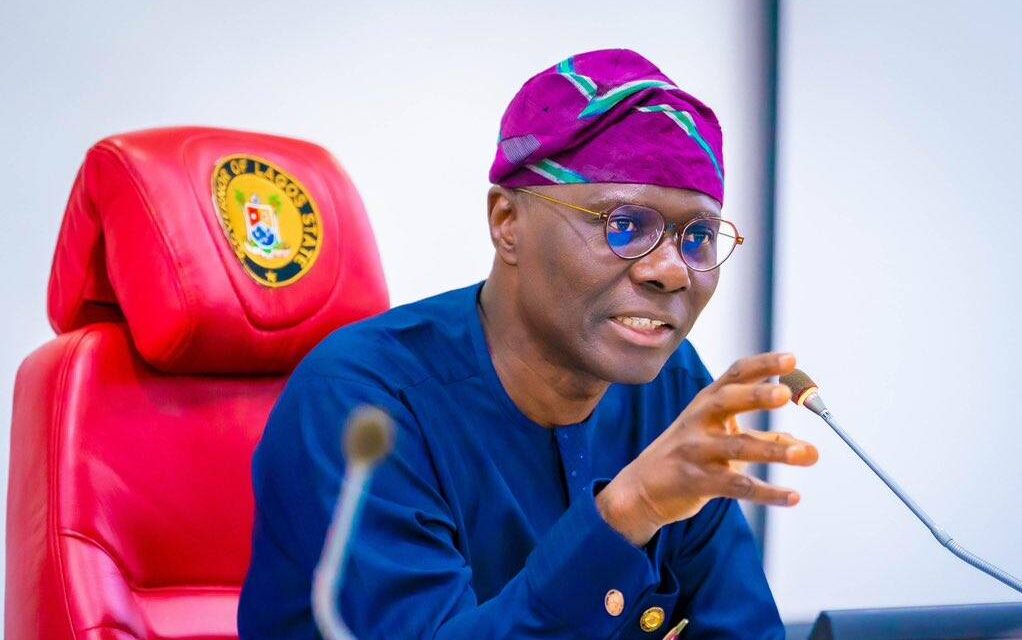
Anyone can participate in World Elder Abuse Awareness Day. More importantly, anyone can help turn that awareness into action. Whether you work in care, support an older relative, or want to change public attitudes, preventing elder abuse is practical and achievable. Wearing purple on 15 June shows solidarity, but it is even more important to learn the warning signs, such as unexplained injuries or sudden financial changes. Sharing survivor stories can help break the silence. Community workshops in schools, care homes, and places of worship can teach people how to spot when someone is trying to cheat or exploit an older person. They can also explain why it is crucial to get an older person’s permission before making decisions for them.
Checking on older neighbours can help ease loneliness, a major risk factor for abuse. A simple way to make a difference is to 'adopt' an older adult with their consent. This does not mean taking care of them but choosing to call or check on them regularly. Small gestures like this can give an older person a sense of connection and joy in their daily life.
Supporting local groups that work with older people through donations, volunteering, or community involvement helps build a safety net for them. Pushing for policy changes and advocating for better government actions, like timely pension payments, access to health care, and proper funding for social services, can protect older adults. We need reforms that go beyond paperwork and provide real support.
Legal protection for older adults is often overlooked. Issues like consent, advance directives, and power of attorney are not well understood in our communities. These measures are vital for safeguarding an older person’s rights and dignity. Clear consent ensures they control decisions about their health and finances. Advance directives help families respect their wishes when they can no longer speak for themselves. Power of attorney arrangements prevent confusion and exploitation by designating someone trustworthy to act for them. Without these protections, older adults become vulnerable to abuse, manipulation, and neglect, especially when they cannot defend themselves.
We cannot keep claiming to respect elders while allowing them to suffer in silence. If we want to preserve our cultural pride, confronting elder abuse is urgent. Respect must move from being just words to real actions.



Drop your comment
No comments yet — be the first to drop the gist 👇