As Nigeria works on changing its police system, we must not just focus on spreading power around. We also need to ensure accountability. A police system that is decentralised but lacks democratic oversight just shifts power from one place to another. It does not improve policing. But a decentralised police service that is accountable to the people can change policing for the better. It can become a public institution that truly serves, protects, and builds trust with Nigerians.
Many people believe that Nigeria's biggest problems come from how the country is governed. If we want to tackle these problems, we also need to reform our structures. That is why I am encouraged by some of the changes the current government is making, like decentralising the Nigeria Police in response to the country’s growing security issues.
The discussion about state police is not new. It has been a topic in Nigeria’s security talks for over 40 years. Before the military coup in 1966, Nigeria had a decentralised police system with national police, regional police, and native authority police. After the coup, the military got rid of these systems and created a centralised police force known as the Nigeria Police Force.
With Nigeria returning to democracy in 1999, the talks about decentralising the police started again. Over time, the demand for state police has increased, mainly because of the worsening security situation and the problems with a highly centralised police system.
One of the strongest reasons for having state police is that the Nigeria Police Force cannot adequately protect a country as large and diverse as Nigeria. With over 900,000 square kilometres and more than 200 million people, Nigeria is too big for a central police force that lacks enough personnel and resources. This situation has led to many areas being ungoverned, which criminals are taking advantage of.
Another issue is that decision-making is too centralised. Even though the police have commands across the country, many important decisions still need approval from Abuja. This excessive centralisation often slows down responses and makes policing less effective at state and community levels.
Some people worry that governors might misuse state police for political reasons, similar to what some regional governments did before the 1966 coup. While these concerns are valid, I think they are not strong enough to keep the current centralised system.
The fact is, no system of governance is completely free of abuse. Even now, the police have been used at times by powerful politicians and wealthy individuals to intimidate rivals and push personal agendas. The question is not if abuse will happen; it always does. The real question is whether we can create systems that make abuse harder and keep them accountable to the people they serve.
Public institutions are there to serve the people. To make sure they do this, democracies set up accountability systems that allow public oversight. This means they should not just answer to political office holders. The proposed changes include replacing the Nigeria Police Council with a National Police Council that will oversee both federal and state police. But we need to examine who will make up this body.
After years of discussion, Nigeria seems to be at a significant turning point. The drive for decentralised policing is gaining momentum, and the government has started the constitutional amendment process needed to set up a new federal and state police system. If this goes well, Nigeria will have a police system that fits its federal structure and can better handle each state's unique security needs.
One change I really support is the proposal to rename the Nigeria Police Force to the Nigeria Police Service. Though this may seem symbolic, names matter. The word “force” shows the institution's colonial past, while “service” highlights its duty to protect and assist the people. A name change alone won't fix everything, but it is a good first step towards changing the culture and identity of the police.
Now that we have started decentralising policing, we must focus on the next big challenge: creating a system that ensures effectiveness, professionalism, and accountability for both the Federal Police Service and the State Police Service.
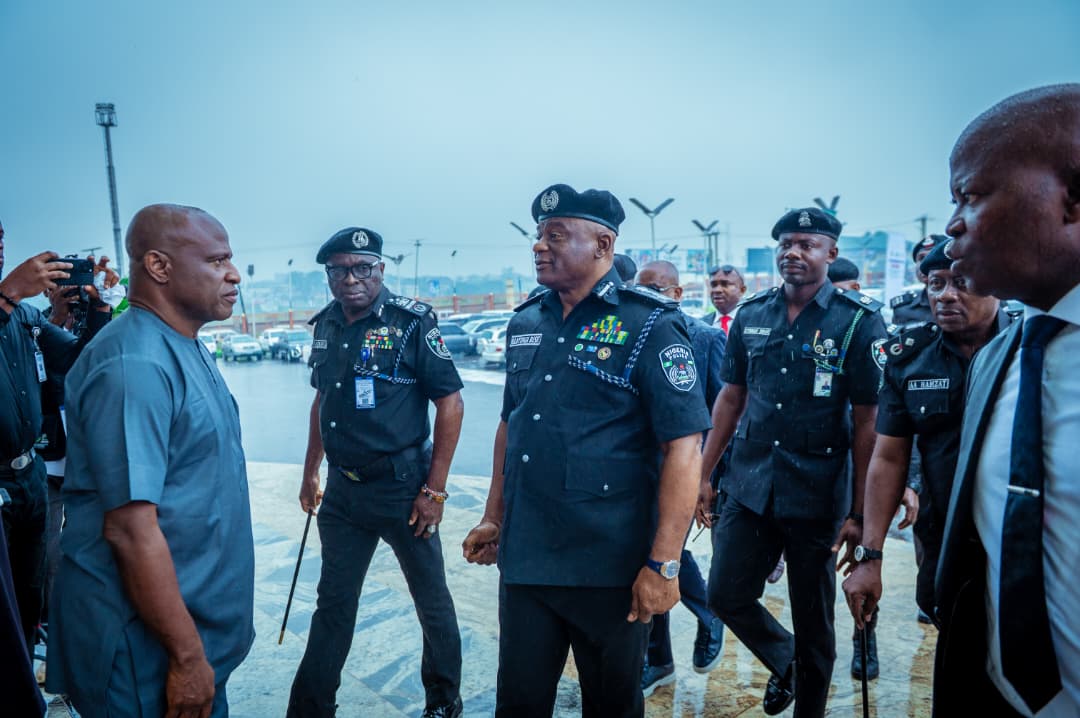
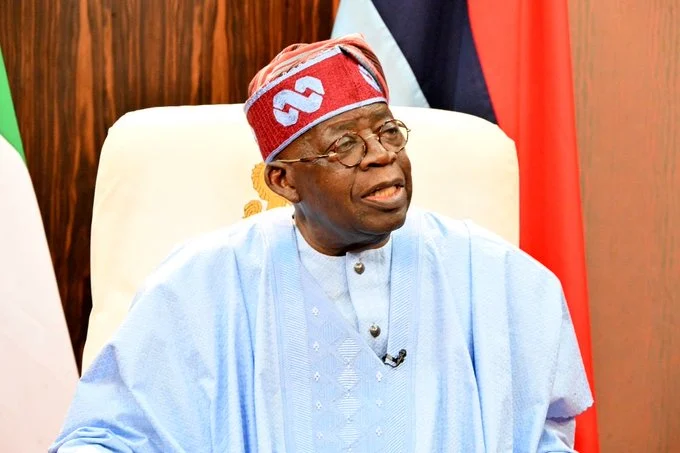
This is why we must pay close attention to the ongoing constitutional amendment process. Beyond just creating new police structures, we need to look closely at the proposed systems for accountability. Weak accountability has been a big issue in many public institutions in Nigeria, and the police are no exception.
Public institutions should serve the people. Democracies need accountability systems that allow public oversight rather than just answering to political leaders. The proposed reforms aim to create a National Police Council with oversight for federal and state police. However, we need to carefully consider who will be part of this council.
Currently, the Nigeria Police Council includes the president, state governors, the chairman of the Police Service Commission, and the Inspector-General of Police. While these people are important, this setup cannot really be seen as a democratic accountability system. It is mostly an internal government structure with little real representation from the public.
The earlier version of the constitutional amendment bill passed by the House of Representatives suggested a more democratic approach. It aimed to include representatives from the Nigeria Union of Journalists (NUJ), the Nigerian Bar Association (NBA), traditional rulers, the Nigeria Labour Congress (NLC), and two representatives from the National Human Rights Commission (NHRC). This setup would make accountability more democratic by including civil society in police governance.
I think the National Assembly should keep the broader and more representative framework that the House of Representatives proposed for both the National Police Council and the State Police Service Commission. Including civil society in the accountability structure of the new police service is not just a good idea; it is essential. It will build public trust in the institution, improve transparency, support better decision-making, and ensure policing stays focused on the people.
Unfortunately, the Executive Bill sent by the president has weakened this framework. It takes away the NUJ and traditional rulers from the proposed National Police Council and cuts the number of representatives from the National Human Rights Commission from two to one. Even more worrying is the proposal about the State Police Service Commission. Instead of clearly defining its structure in the constitution, the Executive Bill leaves this matter to be determined by an Act of the National Assembly. I find it hard to understand why we would delay such an important governance issue. If democratic accountability is crucial at the federal level, it is just as important at the state level.
For this reason, I believe the National Assembly should stick with the broader and more inclusive framework that the House of Representatives suggested for both the National Police Council and the State Police Service Commission. Including civil society in the new police service's accountability structure is not just good; it is necessary. It will help build public trust, improve transparency, encourage better decision-making, and ensure that policing truly focuses on the people. Public institutions must serve citizens, not just political elites. They can only do this when they are accountable to the people.
I also strongly advocate for including youth representatives on both the National Police Council and the State Police Service Commission. There are strong reasons for this. First, young people make up the largest part of Nigeria’s population. Any accountability structure that leaves them out cannot truly represent the people.
Second, young Nigerians interact with the police more than any other group. They can provide valuable insights on police behavior, public trust, and community relations. Their inclusion would create a better dialogue between the police and the largest segment of the population, while making the new policing system more effective and legitimate.
In the end, democratic accountability should not just apply to the new Federal and State Police Service. It should be a core principle for how all public institutions in Nigeria are run. Our public institutions must reflect the diversity of the people they serve, especially those groups that often get overlooked despite being most affected by institutional failures. Accountability systems should intentionally allow citizens, civil society, professional bodies, youth, labour, traditional institutions, and other key stakeholders to take part in governance.
When public institutions are set up to be accountable to the people, they become more responsive, more transparent, and ultimately more effective. More importantly, they begin to rebuild the public trust that is essential for democratic governance.



Drop your comment
No comments yet — be the first to drop the gist 👇