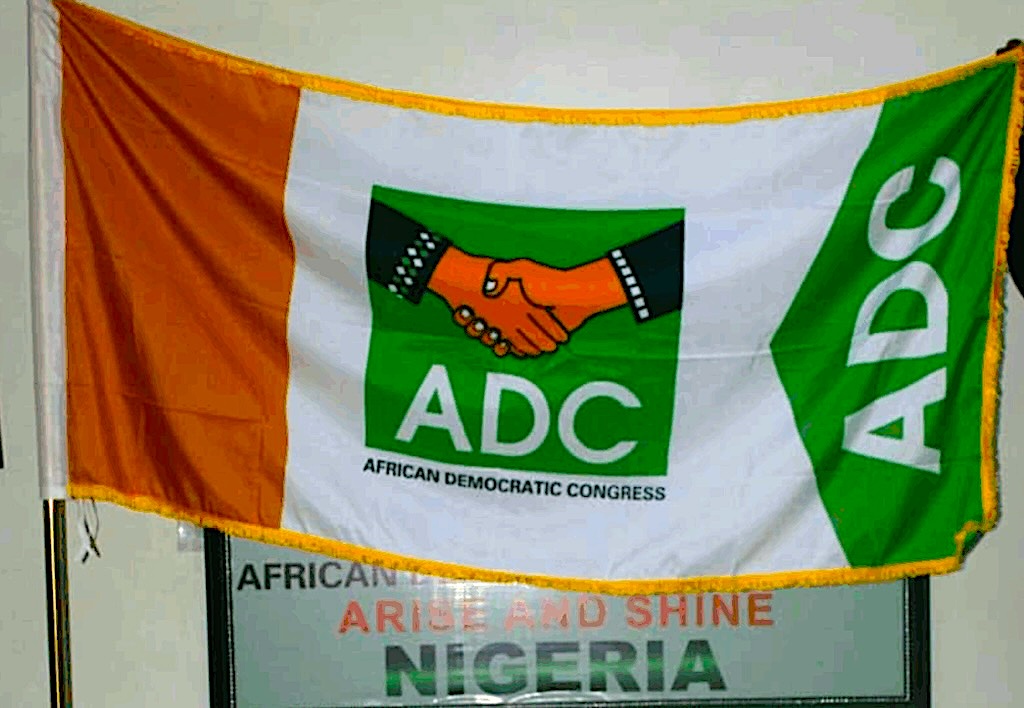
The African Democratic Congress (ADC) has said it is discussing possible electoral alliances with other opposition parties for the 2027 general elections. But they made it clear that these talks are not about picking a single presidential candidate.
Bolaji Abdullahi, the party’s National Publicity Secretary, shared this information in a phone interview with PREMIUM TIMES on Saturday. This comes as some groups urge their presidential candidate, Atiku Abubakar, to step aside for Peter Obi of the Nigeria Democratic Congress (NDC).
Mr Abdullahi mentioned that the talks are part of the G100 opposition unity initiative. The main focus is on how to cooperate during elections, especially in protecting votes. “Discussions are going on, but it’s not about a single presidential candidate or any such thing,” he said. “It’s about opposition political parties forming a common alliance towards the election.”
He explained that this cooperation could mean different parties helping each other in areas where they have more support. When asked if ADC is part of the G100 initiative, Mr Abdullahi confirmed, “We are fully involved.”
He noted recent visits by members of other opposition parties to Mr Abubakar as proof of the ongoing discussions. He added that similar meetings have taken place with other presidential candidates. However, he did not give specific details about how the talks are progressing. He said those meetings are being held among party leaders and secretaries, and he hasn't received updates.
Mr Abdullahi also mentioned that he is not aware of the work being done under the G100 initiative. Salihu Lukman, the G100 convenor, has shared a broader plan that includes creating a framework for a common opposition presidential candidate. In an interview on Channels Television’s Hard Copy, Mr Lukman said the initiative has united opposition parties, and their leaders are now in charge of the talks.
He stated that a summit on 31 August agreed to set up five working groups. One of these groups is responsible for considering options to produce a single presidential candidate. “One of the working groups is the one that will work on that single consensus candidate,” he shared.
According to him, the parties involved would select representatives for this group. They will work under agreed terms and come up with suggestions for future negotiations. Mr Lukman admitted that getting a united front or a single candidate is not guaranteed. Still, he is confident that the parties are willing to cooperate.
While ADC emphasizes electoral alliances, the G100 framework also looks at a common candidate. It is still not clear if the relevant working group has been officially formed or if any recommendations about the presidential candidate have been accepted by the parties.
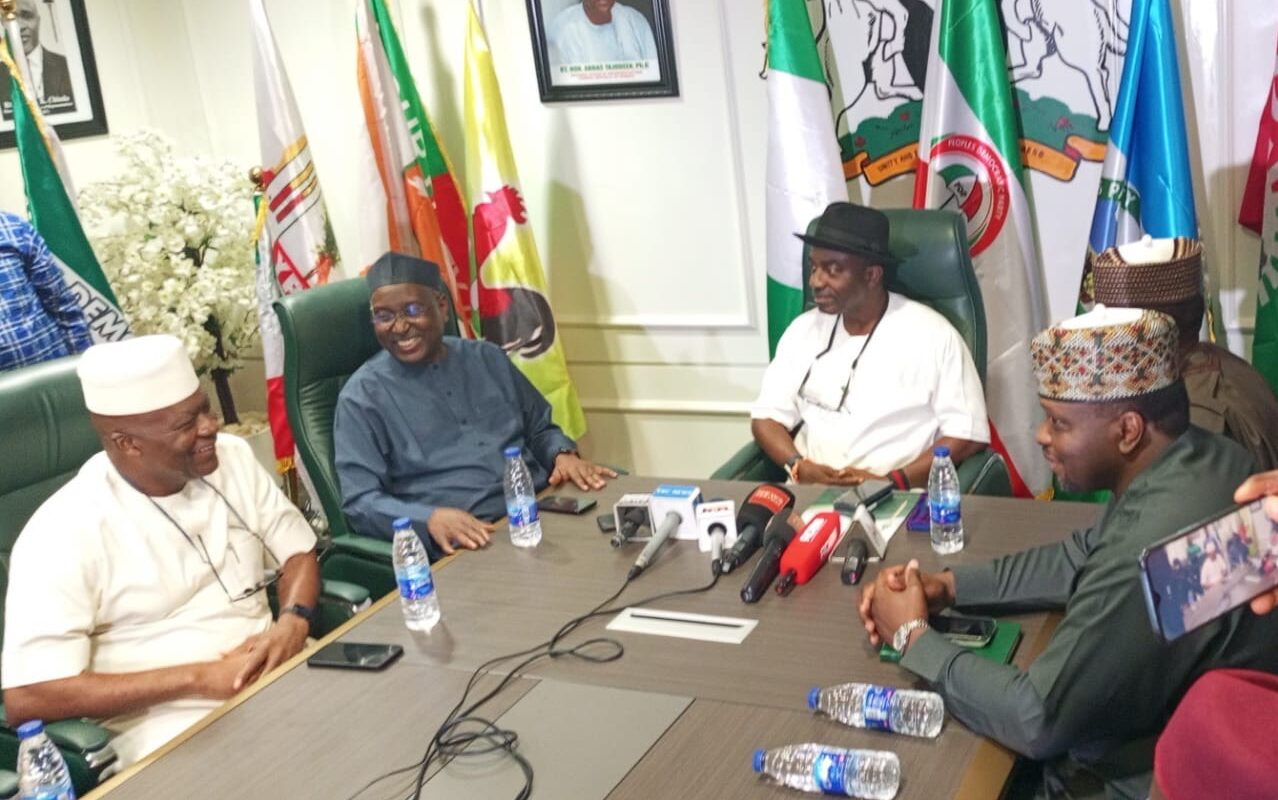
The G100 summit on 31 August took place at the Shehu Musa Yar’Adua Centre in Abuja. It brought together representatives from six opposition parties: ADC, Allied Peoples Movement (APM), NDC, Peoples Democratic Party (PDP), Peoples Redemption Party (PRP), and Social Democratic Party (SDP).
The parties agreed to create a Central Leadership Committee, along with publicity and legal committees, to manage their activities. They also suggested five working groups to make recommendations on political cooperation, a common presidential candidate, and other matters.
On 16 September, the Central Leadership Committee held its first meeting. They made plans for operations, including rotating the chairmanship among the parties involved. Mr Lukman later said that the parties were asked to nominate representatives for the committees and working groups by 18 September, with activities expected to start later that month.
PREMIUM TIMES could not confirm if all nominations were finalized or if the working groups had submitted their reports. In a televised interview, Mr Lukman noted that the talks have expanded to include more parties, but he did not name them or mention any binding agreement.
He also said another working group would create a minimum program of action for candidates to agree to. This program would be based on existing policy ideas rather than merging the parties’ manifestos. Mr Lukman gave Mr Abubakar’s domestic petroleum production subsidy proposal as an example of a policy that could be turned into a clearer framework.
The ongoing opposition talks have gained attention after Rabiu Kwankwaso, the NDC vice-presidential candidate, called on Mr Abubakar to drop his presidential ambition and back Mr Obi. During an appearance on Channels Television’s Politics Today on Thursday, Mr Kwankwaso said, “Well, yes,” when asked if he wanted the former vice-president to step back.
When PREMIUM TIMES asked Mr Abdullahi for clarity on Friday, he said the ADC had not received any formal proposal for Mr Abubakar to step aside for Mr Obi. He also denied that the ADC is involved in talks to choose a consensus presidential candidate or has allowed discussions that could change its current presidential ticket.
These different accounts leave a key question unanswered: whether the proposed framework for a common candidate will become part of the official talks among the parties involved. For now, the ADC has confirmed it is part of the G100 talks, while its spokesperson insists the discussions are about electoral cooperation, not about presidential tickets. Mr Lukman has presented a broader process that includes looking at options for a consensus candidate, but no agreement on such a candidate has been made public.

Drop your comment
No comments yet — be the first to drop the gist 👇