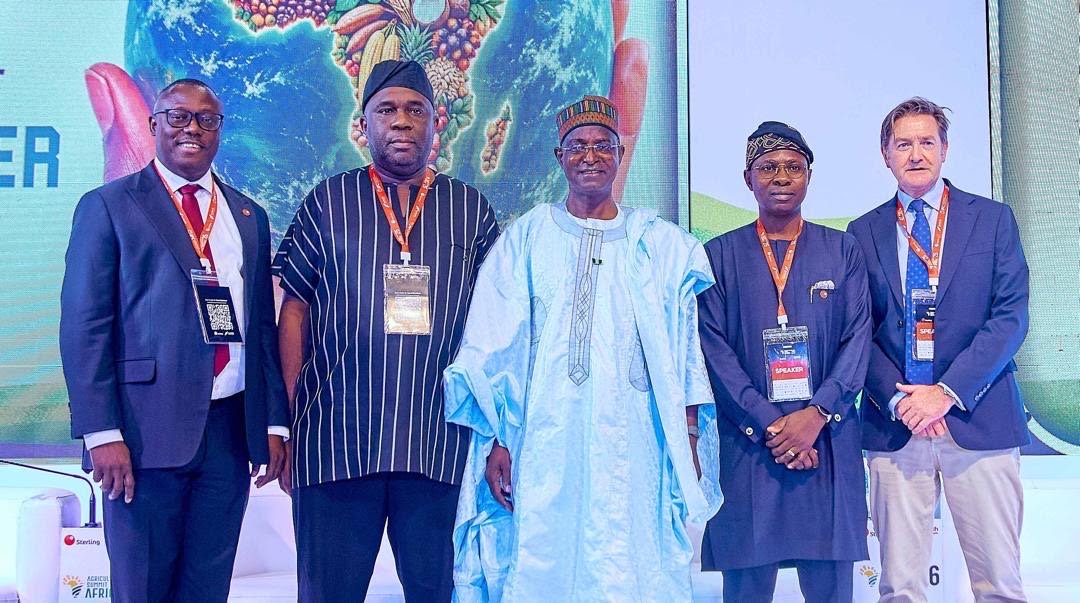
The ninth Agriculture Summit Africa (ASA) wrapped up with ministers, investors, and others agreeing on one main point: Africa needs to stop just producing raw goods. The continent must take charge of processing, storage, trade, and finance to keep the profits at home. The finance sector also needs a makeover to fit the long cycles of farming.
Africa spends over $100 billion each year on food imports that it can grow itself. Abubakar Kyari, the Minister of Agriculture and Food Security, shared this with delegates. He pointed out how much value Africa loses by selling raw products and then buying them back as finished goods. The summit, themed ‘Building the Next Superpower: Africa’s Food Power Play,’ aimed to change this situation into a stream of projects that can attract investment.
The two-day event was co-hosted by Sunbeth Global Concepts and had over 12,000 participants, both in-person and online. Attendees came from areas like development finance, agribusiness, research, and technology. ASA 2026 aimed to create an investment pipeline of $300 million and included nearly 100 matchmaking sessions in its Deal Room.
On the second day, Dele Faseemo from Sterling Bank highlighted a crucial point: food is now a matter of security. He said, “Simply put, food security is national security.” He stressed that true sovereignty depends on food security just as much as it does on safety and law enforcement.
Faseemo called for the agricultural sector to shift “from potential to execution, ideas to scalable solutions, fragmented interventions to coordinated action, and from declarations of intent to measurable results.” Over the two days, discussions covered topics like food sovereignty, trade under the African Continental Free Trade Area, climate risk management, cold chain infrastructure, technology, and financing models for smallholders, women, and youth. A key takeaway was that improvements in one area, like higher yields, are often lost due to poor storage, logistics, and markets that farmers do not control.
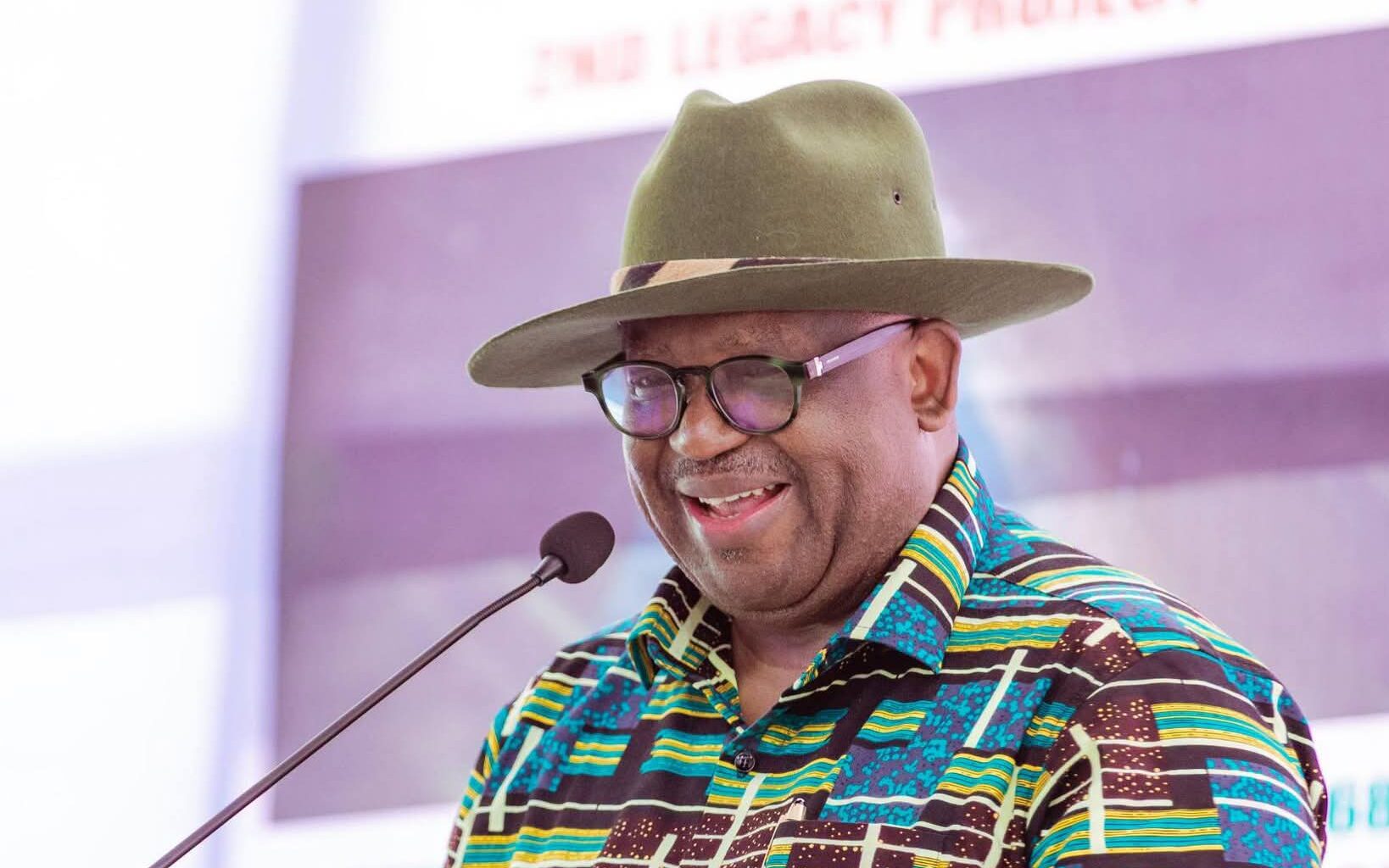
Idi Mukhtar Maiha, the Minister of Livestock Development, addressed the need for finance suitable for biological assets. He argued that short-term, high-interest loans do not work for livestock that need time to grow. “We cannot finance biological assets as though they are fast-moving consumer goods,” he said. Maiha noted that livestock adds about $32 billion to Nigeria’s economy and could rise to $74 billion by 2035 with a ten-year plan. This is possible only if Nigeria stops moving live animals long distances, a practice that started in 1912. Instead, he called for investment in feedlots, abattoirs, cold chains, and leather production to keep the profits in Nigeria.
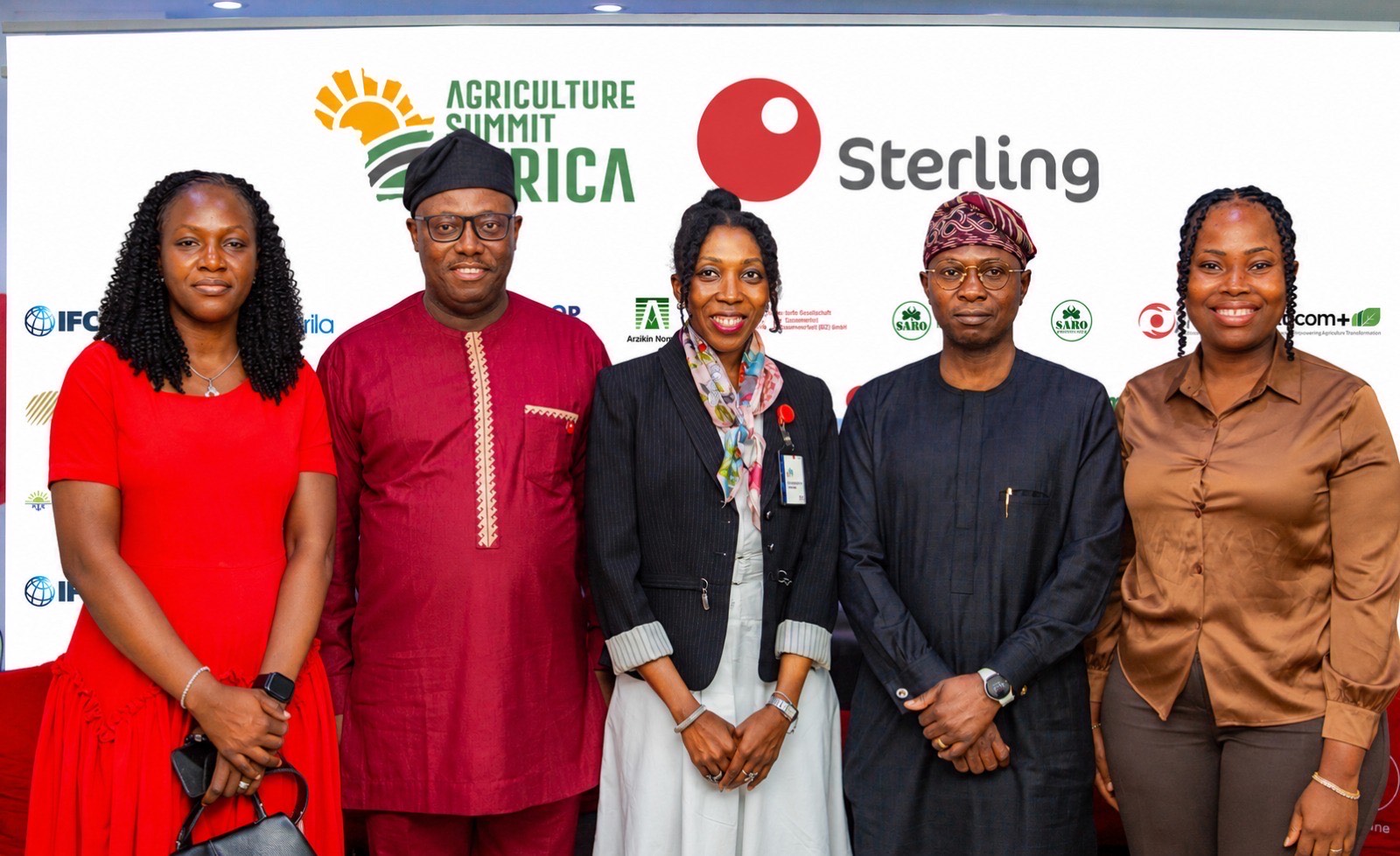

Dr Olushola Obikanye from Sterling Bank stated that Africa's main issue is not land or harvests but what is done with them. He said, “Africa’s challenge is not a lack of agricultural potential, but the ability to convert that potential into productivity, into value, and, more importantly, into power.” He added that agriculture has long been seen just as a production sector. This platform aims to change that view. It sees agriculture as the base for wider economic growth, connecting farmers with finance, technology, infrastructure, processing, logistics, markets, and consumers. The goal is not just to grow more food, but to create and keep more value.
A key moment of the summit was the launch of AgricHub, a platform aimed at linking farmers and agribusinesses with financiers, markets, and agricultural tech. This will help create a space where money, businesses, and market chances can easily meet.
The summit featured several notable speakers, including Senator Abubakar Kyari, Minister of Agriculture and Food Security; Senator Aliyu Sabi Abdullahi, Minister of State for Agriculture and Food Security; and Dr Benjamin Ashaver, Benue State Commissioner for Agriculture and Food Security. Other speakers included Sarah Ockman from IFC, Dr Janett-Star Erastus, and various industry leaders in processing, insurance, logistics, and technology. Olapeju Ibekwe, Chief Executive Officer of ONE Foundation; Chief Ruth Ozigbo, Programme Coordinator for ASA; and Oame Airauhi from Sterling Bank led many sessions.
ASA 2026 had support from a wide range of partners, including the International Finance Corporation (IFC), GIZ, UK International Development, Mastercard, IDH, and the National Agricultural Development Fund. Other supporters included the Development Bank of Nigeria, the Federal Ministry of Livestock, YAPU Solutions, Sterling One Foundation, Saroafrica, ARILA Group, ThriveAgric, AFEX, Propcom+ (UK Aid), BATN Foundation, and the Lagos State Employment Trust Fund (LSETF).



Drop your comment
No comments yet — be the first to drop the gist 👇