Experts and development leaders have called on African governments to close the gap between policies and how they are carried out. They want to ensure that efforts in health, education, and economic inclusion lead to real improvements in people's lives.
This call was made in Abuja on Tuesday during the 2026 Gender and Inclusion Summit (GS-26). Speakers highlighted the need to connect policy promises with the daily lives of citizens.
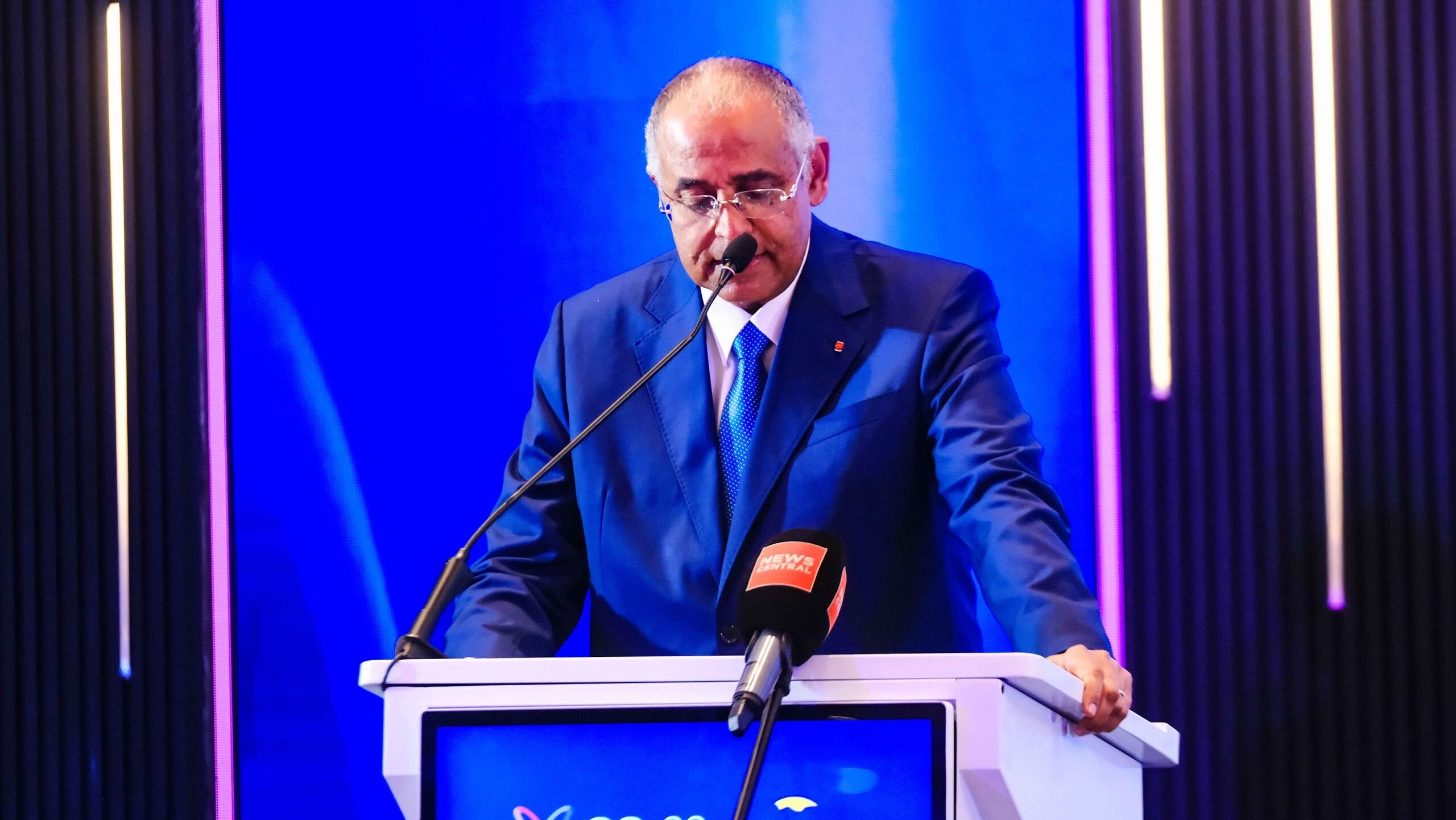
Patrick Achi, former prime minister of Côte d’Ivoire and President of the National Assembly, gave the keynote address. He said access to infrastructure and social services is not enough for development if it does not help people learn, work, earn, and get essential services.
Mr Achi stated that development should be measured by what people can do with the opportunities given to them. "A school place must become learning. Training must become employability. A rural road must contribute to higher incomes. A health-insurance card must translate into effective care," he explained.
He emphasized that inclusion should not just be a social add-on but a way to connect people to opportunities and make growth more effective. Mr Achi shared that his experience as an engineer, government minister, and prime minister showed him that infrastructure only works when it benefits the people it is meant to serve.
He said a road is valuable because it links farmers to markets, children to schools, and workers to jobs. Electricity infrastructure has little economic value if it does not reach homes, farms, and businesses. This principle also applies to healthcare, education, and social protection.
The former prime minister mentioned that Côte d’Ivoire has made good progress in expanding access to basic services. However, the next phase must focus on turning access into ability and ability into productivity. He noted that access to electricity in the country rose from 74 percent in 2011 to 99 percent in 2025. He also said poverty fell from 55 percent in 2011 to 37 percent in 2021.
Furthermore, he revealed that by 2025, more than 20 million people, about 60 percent of the country's population, would be part of its Universal Health Coverage system. But he warned that just expanding coverage is not enough if people cannot access effective services.
Mr Achi stressed that Africa’s growing population requires productive jobs and income for sustainable inclusion. He pointed out that hundreds of millions of young people will enter the job market soon. He said that aid, philanthropy, and social transfers alone cannot solve the continent's development needs. Governments must invest in sectors that create wealth and jobs while ensuring women, youth, and rural communities are part of the economy.
Africa makes up about 18 percent of the world’s population and has large agricultural and mineral resources. Yet, it only contributes about three percent of global GDP, three percent of global trade, and around two percent of global manufacturing value added, according to Mr Achi.
He warned that the lack of skilled workers could further affect the continent's economic future as artificial intelligence and other technologies change economies. He noted that about 89 percent of children in Sub-Saharan Africa are estimated to be in learning poverty. The region has only about 88 researchers per million people.

"This is not simply an education gap. It is a future productivity gap," Mr Achi said. He added that women and young people should be seen as contributors to economic growth, not just beneficiaries of development programs.
He cited a Mastercard Foundation study that suggested increasing participation by young African women could add as much as $287 billion to Africa’s GDP by 2030. "That is not a welfare dividend. That is a growth dividend," he stated.
The concerns raised by the speakers are especially important for health and other essential services. The existence of a policy or program does not guarantee access or quality services for vulnerable groups.
Udeme Ufot, Chairman of the Policy Innovation Centre (PIC), highlighted that the “last mile” should not just mean geographical distance. He described it as the gap between policy and real-life experiences, innovation and access, and commitment and real change.
Mr Ufot said an intervention is only meaningful when it reaches people who need it. He mentioned health workers serving communities without proper clinics. He also pointed out that women, girls, young people, persons with disabilities, and people in underserved areas often face barriers despite policies meant to help them.
Olaniyi Yusuf, Chairman of the Nigerian Economic Summit Group (NESG), said the key question for policymakers should be whether their commitments reach those who need them most. He noted that Nigeria and other African countries have spent years developing policies and testing new ideas. The challenge now is to turn these efforts into real results.
"An innovation only counts when it arrives," he said. He urged stakeholders to move from discussing to implementing. He stressed that the government, development partners, private sector, civil society, and communities must work together to turn ideas into results.
The Gender and Inclusion Summit is a pan-African platform organized by the PIC to promote discussions, partnerships, and practical solutions on gender equality, inclusion, innovation, and systems change. The 2026 edition, which is the fifth since it started, is happening from 7 to 9 September in Abuja. The theme is, “From Agenda to Action: Making Innovations Count for the Last Mile.”
The summit gathers policymakers, development partners, private-sector leaders, innovators, academics, civil society organizations, youth leaders, community actors, and representatives of underserved groups. The 2026 summit began with an academic conference on 7 September and focuses on moving from policy commitments and innovative ideas to real implementation and measurable results.

Drop your comment
No comments yet — be the first to drop the gist 👇