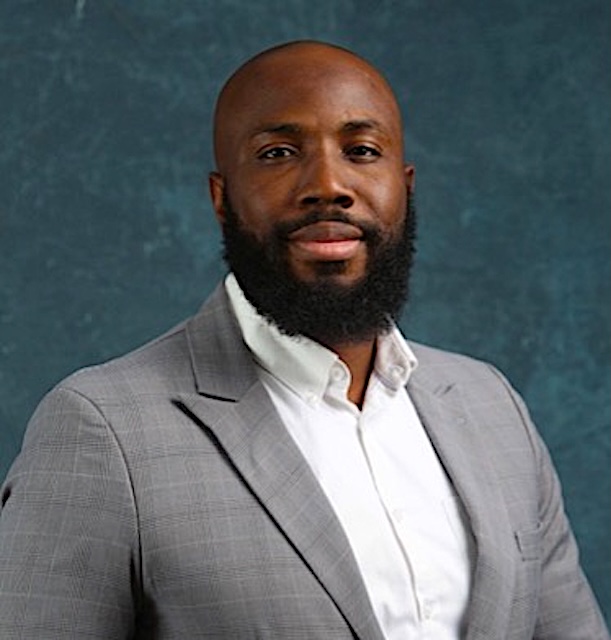
As Aigboje Aig-Imoukhuede (CFR) celebrates his 60th birthday today, many will talk about his amazing journey in business, charity, and public service. But I want to highlight one idea central to his work: he believes that changing Africa’s public sector needs a “critical mass” of skilled public leaders. I have heard Aig use this phrase many times. Having taken part in one of his initiatives, I often think about what this idea means for building strong public institutions in Africa.
Former US President Barack Obama told Ghana's Parliament in 2009 that “Africa doesn’t need strongmen; it needs strong institutions.” This statement is one of the best ways to ask how we can build strong institutions. It makes sense in a continent where personal rule often weakens institutions meant to last beyond individual leaders. But it raises another question: who builds strong institutions? Institutions depend on the people who lead, work in, and maintain them.
Nigeria shows this struggle clearly. Dora Akunyili’s leadership at NAFDAC is a prime example of what dedicated public leadership can achieve. Ifueko Omoigui-Okauru’s reforms at the Federal Inland Revenue Service are another case. Joe Abah’s doctoral thesis, “Strong Organisations in Weak States,” helps explain these successes. Abah points out that capable leadership can create effective organizations, even in tough governance situations. He distinguishes between the authoritarian “strongmen” Obama warned about and the strong men and women needed to build solid institutions.
The real challenge is turning moments of exceptional performance into lasting institutional capability. Tunji Olaopa, chairman of Nigeria’s Federal Civil Service Commission and a well-respected scholar in public service reform, has discussed this issue a lot. He refers to Ladipo Adamolekun’s view of Nigeria as a “hesitant” public service reformer. Olaopa argues that while Nigeria can generate ideas for reform, it often has trouble making lasting improvements. He insists that meritocracy, professionalism, a focus on performance, and continuity are essential for a better civil service. Reform needs to go beyond quick fixes.
Aig’s investments in public leadership show this through three initiatives with the University of Oxford’s Blavatnik School of Government. The AIG Scholarship supports outstanding Africans to study for a Master of Public Policy. The AIG Public Leaders Programme helps serving public officials learn to tackle real reform challenges.
This background makes Aig’s idea interesting. What if, instead of waiting for exceptional public leaders to appear, we actively developed enough capable people to create a critical mass? This does not end the debate between leaders and institutions. It suggests a way forward: invest in people who can reform organizations, connect them across the public policy landscape, and keep that investment going long enough for individual skills to lead to lasting institutional strength.
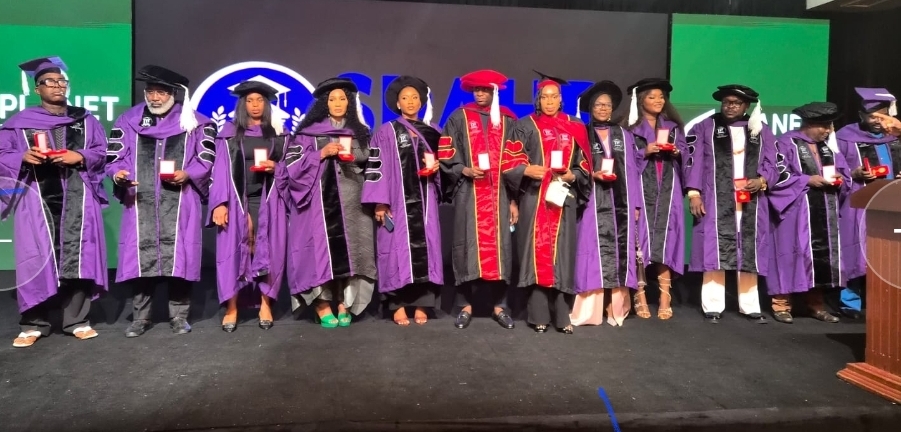
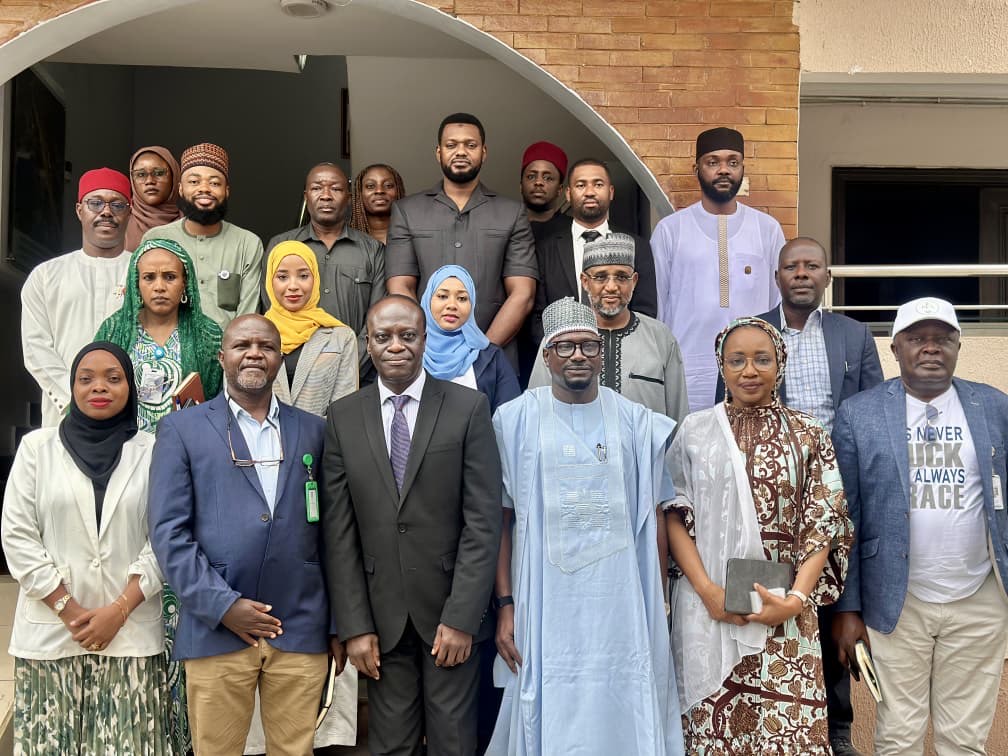

Aig’s investments in public leadership show this through three initiatives with the University of Oxford’s Blavatnik School of Government. The AIG Scholarship supports outstanding Africans to study for a Master of Public Policy. The AIG Public Leaders Programme helps serving public officials learn to tackle real reform challenges. The AIG Visiting Fellowship gives experienced public leaders, like former INEC Chairman Attahiru Jega and former FIRS Chairman Ifueko Omoigui-Okauru, space to reflect on their experiences and help shape public policy. These programs target different stages in people’s careers but share a common goal: identify, develop, and connect public leadership skills over time.
The key word here is not just “leaders” but “mass.” One great Director-General can boost an agency’s performance; one reform-minded Permanent Secretary can change a ministry's operations. But a critical mass means having enough capable people across the government so that effective leadership becomes more normal. Yet, capable people cannot escape the political scene. Research on “pockets of effectiveness” shows how political conditions can give reformers space to work. Stefan Dercon’s work on development highlights the need for strong commitment among those in power to push for development. The big question is whether a critical mass of capable public leaders can turn pockets of success into a broader network of effective institutions.
I have seen this idea in action myself. The AIG Scholarship that took me to Oxford did not spark my interest in public service, nor can everything I have done since be linked to it. But it was a major turning point. My work and research since then have stayed connected to governance, public-sector reform, and the relationship between citizens and the state. Seven years after finishing my MPP, I am going back to the Blavatnik School to join the teaching team for another group of African public servants through the AIG Public Leaders Programme. This makes “critical mass” feel less like a distant dream and more like a steady process of growth.
Ofovwe Aig-Imoukhuede, co-founder and executive vice-chair of the Aig-Imoukhuede Foundation, recently set a high bar for this process. Reflecting on her husband’s philosophy, she described legacy not just as what people remember about someone, but “what continues because of them.” This includes governance that lasts, cultures that thrive despite leadership changes, and systems that deliver results even when the leader is not present. This distinction goes to the heart of Africa’s leadership challenge. The strongman makes the system rely on him; the institution-builder creates something that works without him.
At 60, the best way to assess Aig’s impact is not just to count scholarships given, leaders trained, or programs started. We need to take seriously the idea behind them. Africa needs strong institutions, but it also needs skilled men and women who can build them, political environments that support them, and systems that can outlast them. Whether a critical mass can turn pockets of effectiveness into a network of effective institutions will take much longer than a decade to find out. Aig has made that long-term investment. Its true measure may be what continues because of him.

Drop your comment
No comments yet — be the first to drop the gist 👇