We once wanted it. The technology we believed would solve electoral problems is here, and it’s Artificial Intelligence (AI). But worries about issues like deepfakes, fake materials, false voices, misinformation, and distrust make AI seem risky. AI is now a major technology globally, but in its short time, it has changed from a disruptor to an interferer. It brings new risks to election results. Everyone knows about its many possibilities. Sadly, this includes its ability to create fake news, manipulate information, and interfere in elections.
The first sign of trouble has come from INEC’s voters’ register, which appears to have been tampered with using AI. INEC has removed 1.6 million AI-generated “would-be voters” and has penalized staff involved. But instead of calming fears, INEC’s actions have raised more suspicion about AI. This is because bad actors could become more clever before the 2027 elections.
In Nigeria, politicians have not agreed on whether elections can be won honestly. So, real worries are coming up about the dangers AI could bring if it falls into the hands of fraudsters and scammers, even though it has great potential for good.
Recently, AI has been used in political communication, and some of the information shared is wrong. Many people do not notice this misinformation because they are not careful enough. But the real issue is how AI could disrupt the 2027 elections. In these crucial elections, anything that isn’t transparent could send bad signals.
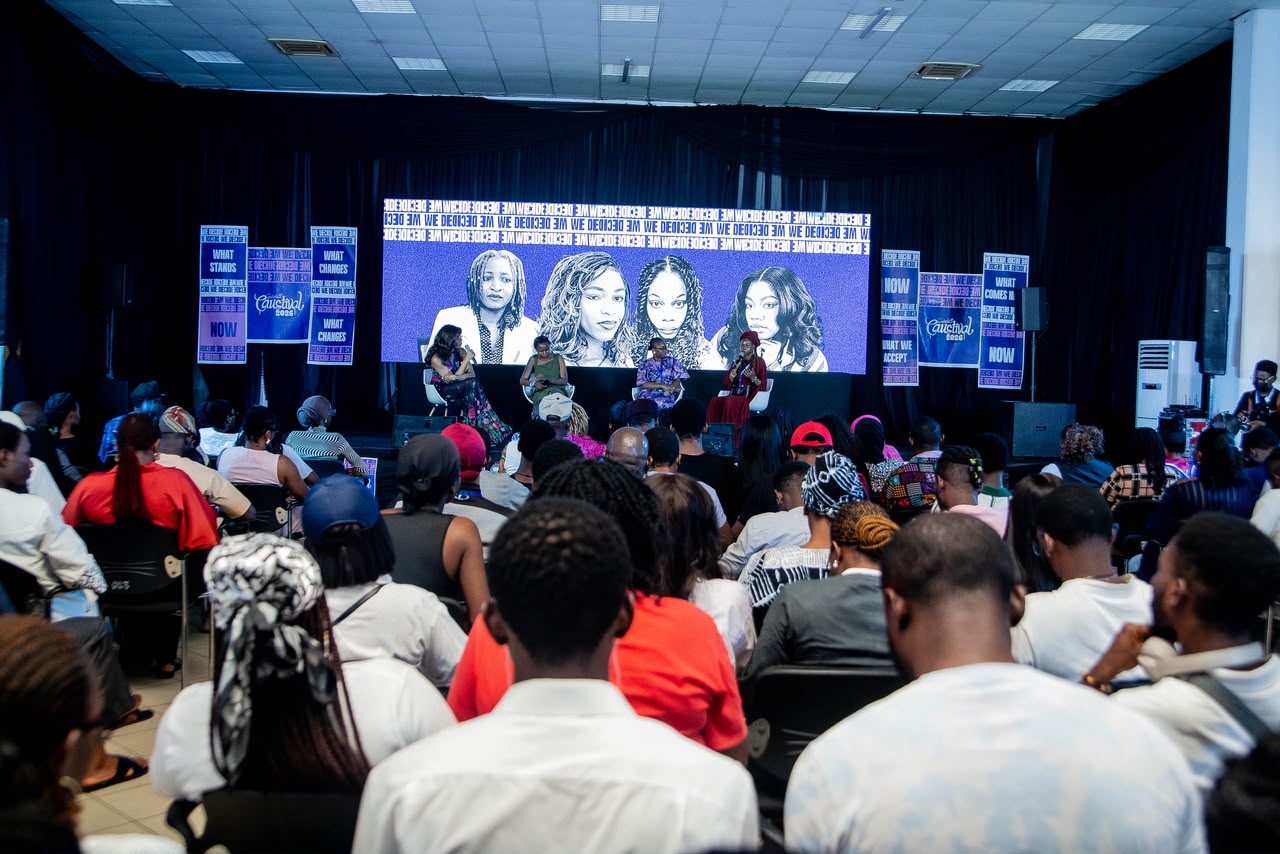
In the middle of this is INEC, trying to stop the misuse of AI from creating chaos and disrupting such an important national task. “Elections can be undermined before the first ballot is cast,” INEC Chairman, Professor Joash Amupitan, said at a recent conference on AI, themed “Beyond the Ballot: A National Summit on AI, FIMI and Electoral Information Integrity.” The conference was done in partnership with IPC, CEMESO, DAI, and others, including the European Union, with all INEC commissioners and senior staff present.
Amupitan remarked that “INEC cannot police the truth alone” and asked for “clear inter-agency escalation procedures, institutionalized fact-checking channels, and practical simulation exercises to prepare stakeholders for possible AI-driven information crises.”
Before the 2023 election, the focus was on how technology could change election rigging and ensure fair and transparent elections. The introduction of the Bimodal Voter Accreditation System (BVAS) and the INEC Result Viewing Portal (IReV) was seen as a breakthrough. Nigerians relied on them because they allowed for real-time viewing of polling unit results after BVAS authentication through fingerprint and facial recognition.
This came after a change to the electoral law that gave INEC the authority to use any technological innovation that could boost election integrity. This change followed the controversy surrounding the Smart Card Reader in the 2015 elections, especially its manual accreditation feature, which politicians exploited to inflate numbers.
Many elections were canceled due to problems with card reader accreditation in 2015. Courts used card reader data to prove over-voting. A notable case was the annulment of the Rivers State governorship election between Nyesom Wike and Dakuku Peterside because the card reader accreditation did not match the votes cast.
However, at the Supreme Court, the decision was overturned because “The card reader was only introduced by INEC guidelines; it was not in the Electoral Act 2010. The card reader was meant to supplement the voter register, not to replace it. So you cannot annul an election just because of the card reader report.” This Supreme Court ruling led to the introduction of BVAS and IReV, making them valid and legal.

Who knows what would have happened if Goodluck Jonathan hadn’t accepted defeat quickly and instead challenged INEC’s use of the card reader, even when public opinion was against him? That’s just a thought. In the 2023 presidential election, IReV and BVAS worked well in some cases. But they could not fully validate our electoral process due to a technical “glitch” seen during the presidential election when it was most needed. Trust in INEC was once again broken. Neither INEC nor those who believed in the system have recovered since.
The trust that should exist was broken by the democratic body that should ensure election integrity. Our lawmakers took us back after we had made progress with IReV and BVAS. In February 2026, the Senate repealed the Electoral Act of 2022, rejecting real-time uploads to IReV and keeping the physical Form EC8A as the main source for results.
When we talk about AI and elections, I think about the recent US midterm elections. Why wasn’t AI used to cheat in the country where it started? Isn’t this proof that the problem is with us and not the technology? Technology once brought hope for credible elections. But its flaws and the rise of AI have created new challenges for INEC and our democracy.
From manual to tech-based elections, our election story has been complicated. Even with the Senate’s efforts to limit our reliance on technology, its limited use has helped improve electoral credibility. But now, AI has added another layer. INEC has included AI in its election discussions and was part of the conference that discussed AI’s potential for both good and bad: better efficiency on one side, and higher risks, false claims, loss of public trust, and threats to democracy on the other.
This is why the recent AI challenges should not be taken lightly. AI-related increases in numbers were first noticed after INEC released a preliminary voters’ register online for public review. Social media users and the opposition reacted strongly, pointing out duplicate profiles and an increase in the number of voters from 93 million to 103 million. Nigerians raised alarms. Journalists sounded the warning. Despite the uproar, INEC could only identify 268 irregularities before removing 1.6 million entries. What happens to the other eight million AI-generated profiles? This is not just alarming; it can ruin everything INEC has worked on in the last four years and take us back to the days of ballot-snatching and stuffing.
Whether this is a planned data breach to rig elections or a system failure, we are in for a big problem if INEC does not act quickly to safeguard its database. The tools and skills to do this are available. Politicians will try to use AI for their benefit, yet they will blame the opposition and INEC if they lose. No matter the outcome, politicians take no responsibility. But Nigerians want a transparent audit of INEC’s databases. Being careless in such an important election is harmful to democracy.
Nigerian politicians should reflect on what they truly want: a transparent election where they lose or a rigged one that leads to a questionable victory? This is what makes former President Goodluck Jonathan stand out. He lost the 2015 presidential election and won the people’s respect. And good fortune will always favor him.
INEC must be open. It must keep updating and cleaning its database and use available tools to fight electoral fraud. We need to close the credibility gap with better digital knowledge. We must also improve our digital infrastructure and seek partnerships through MoUs with social media platforms like TikTok, X, Facebook, and Instagram.

Drop your comment
No comments yet — be the first to drop the gist 👇