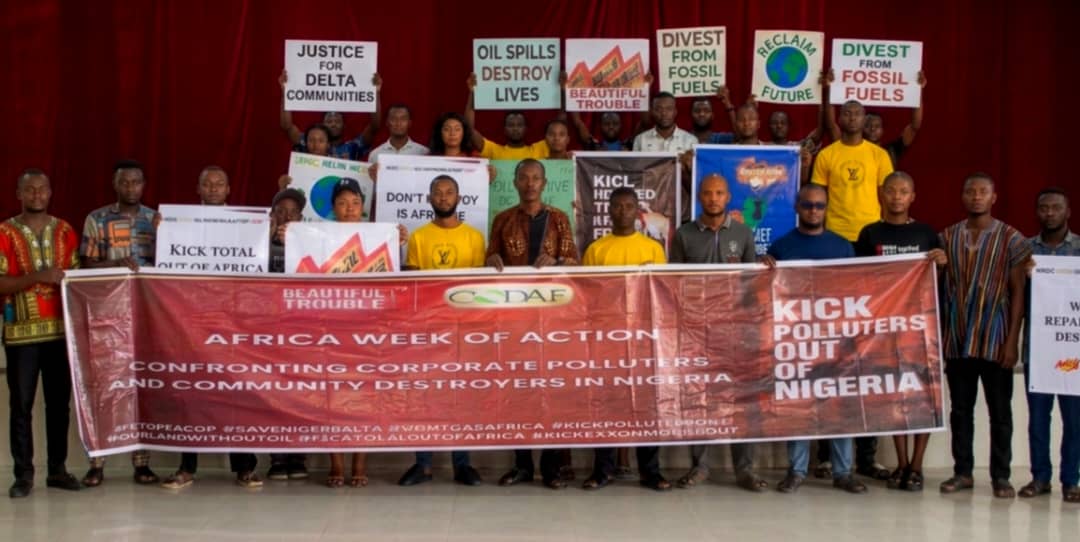
Communities in Akwa Ibom State affected by oil pollution have threatened to take legal action against major oil companies in the area. They accuse these companies of damaging the environment and neglecting local communities for decades.
This threat came during a town hall meeting hosted by the Community Development Advocacy Foundation (CODAF) on May 30 in Akwa Ibom State. The meeting was part of events marking the Africa Week of Action, with the theme “Kick Polluters Out of Nigeria.”
Participants from Eket and Ibeno communities, along with environmental advocates, expressed worry about the increasing effects of oil exploration on public health, livelihoods, and the environment.
Last month, PREMIUM TIMES reported that stakeholders in the Niger Delta urged the Nigerian federal government to see leaking and unsealed oil facilities as “crime scenes.” They highlighted the dangers these facilities pose to both health and the ecosystem.
At the meeting, CODAF’s Project Manager, Endurance Oriakhogba, shared that residents and environmental experts believe life expectancy in many oil-producing areas of the Niger Delta now falls between 40 and 47 years. This is much lower than the national average.
Mr Oriakhogba said this drop in life expectancy is due to long-term exposure to oil pollution, dirty water sources, gas flaring, and the destruction of local livelihoods like fishing and farming. He mentioned an oil spill that affected over 27 coastal communities in Ibeno Local Government Area in August 2024. He claimed this spill came from an offshore facility run by an international oil company.
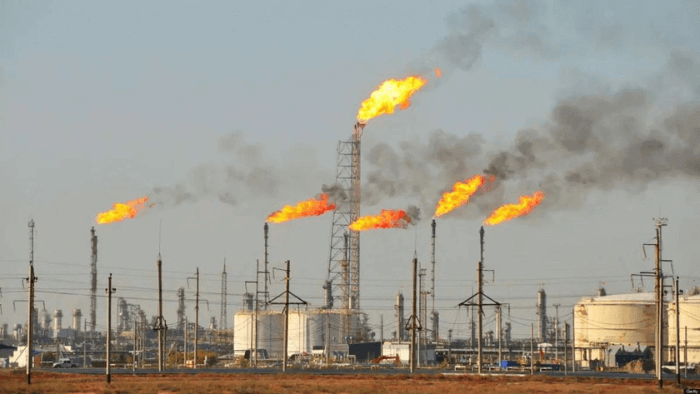

He noted that the spill contaminated water bodies and disrupted fishing activities in the affected areas. Mr Oriakhogba also questioned the actions of multinational oil companies in Nigeria. He pointed out that some countries are moving away from fossil fuel extraction while their companies continue oil production in other countries.
Community members accused oil companies like TotalEnergies and Seplat Energy of not doing enough to manage the environmental damage caused by their operations. They also criticized the federal government for its weak response to oil spills, saying it fails to enforce environmental rules and provide enough compensation for affected residents.
Honour Michael, a youth leader from Eket, said communities have made many complaints about pollution without getting proper assistance from government agencies. He also claimed that when compensation is approved, it often does not reach those who are directly affected by the damage.
At the end of the meeting, attendees agreed on a plan to increase pressure on the oil companies operating in the region. This plan includes filing class-action lawsuits against polluting firms, lobbying the National Assembly to review their operating licenses, engaging international human rights groups, creating a community pollution register, and looking into economic pressure campaigns.
The communities stated they would keep pursuing what they call lawful and peaceful measures to seek environmental justice and better accountability from oil companies in the Niger Delta.


Drop your comment
No comments yet — be the first to drop the gist 👇