
Residents from oil-producing areas in Ikono and Ibiono Ibom local government areas of Akwa Ibom State are calling for immediate checks, clean-up, and protection of abandoned oil wells and aging oil infrastructure. They say years of neglect have put their means of living and environment at risk of pollution.
The residents voiced their concerns on Wednesday during a community meeting organized by the Health of Mother Earth Foundation (HOMEF) at Ikot Enua, Ikono LGA. Participants shared stories of oil spills, low farm yields, damaged ecosystems, and illegal activities around abandoned oil facilities.
HOMEF said the meeting aimed to help communities identify their environmental and social issues, agree on key problems, and create recommendations for talks with government agencies and other important groups.
This gathering comes a few months after environmental groups and community leaders at the fifth Niger Delta Alternatives Convergence in Uyo called for an audit of abandoned oil wells in the region. They described leaking and unused facilities as dangers to lives, ecosystems, and public health.
It also follows reports from PREMIUM TIMES highlighting ongoing pollution from old oil infrastructure in the Niger Delta. This includes abandoned wells in Ogoniland and wellhead fires that have been burning for a long time in parts of the region.
‘Abandoned wells are ticking time bombs’
At the meeting, HOMEF's Executive Director, Nnimmo Bassey, said Niger Delta communities are facing serious problems due to oil infrastructure that has been left behind without proper decommissioning or environmental restoration. He mentioned places like Bille in Rivers State and Awoye in Ondo State, where abandoned oil infrastructure continues to create risks, including a fire that residents claim has been burning since 2020.
Mr Bassey called abandoned oil wells in the Niger Delta “ticking time bombs.” He noted that when oil is discovered in a community, it is often celebrated without thinking about the environmental issues that could arise long after production stops.
“While many celebrate when oil is found, communities most times are not aware that the problem sometimes is more than celebration,” he said. He urged host communities to have strong voices in decisions about oil facilities in their areas, saying this participation is a matter of fairness.
Mr Bassey also emphasized that environmental justice includes protecting non-human life. He said ecosystems, animals, and other living beings should be considered in decisions about oil extraction. “Humans are not the only living beings. There are other beings. They also have the right to a healthy living,” he said.
He argued that cleaning up oil pollution could cost more than the economic benefits from extraction. He said the meeting would help communities make an action plan to present to government agencies.
Mr Bassey mentioned that capped oil wells and wellheads for many years do not mean they pose no environmental risks. He said these facilities still need technical checks, decommissioning, clean-up, and environmental restoration. His views support his earlier calls for thorough environmental and health audits of polluted Niger Delta communities and better oversight on oil companies and regulators.
‘We have been complaining for decades’
At Ikot Enua, residents showed PREMIUM TIMES a standing wellhead known as a “Christmas Tree.” The HOMEF report presented at the meeting by Umo Isua-ikoh, coordinator of Peace Point Development Foundation, revealed that the well was capped in 1958. Residents say they were told the oil was not commercially viable at that time.
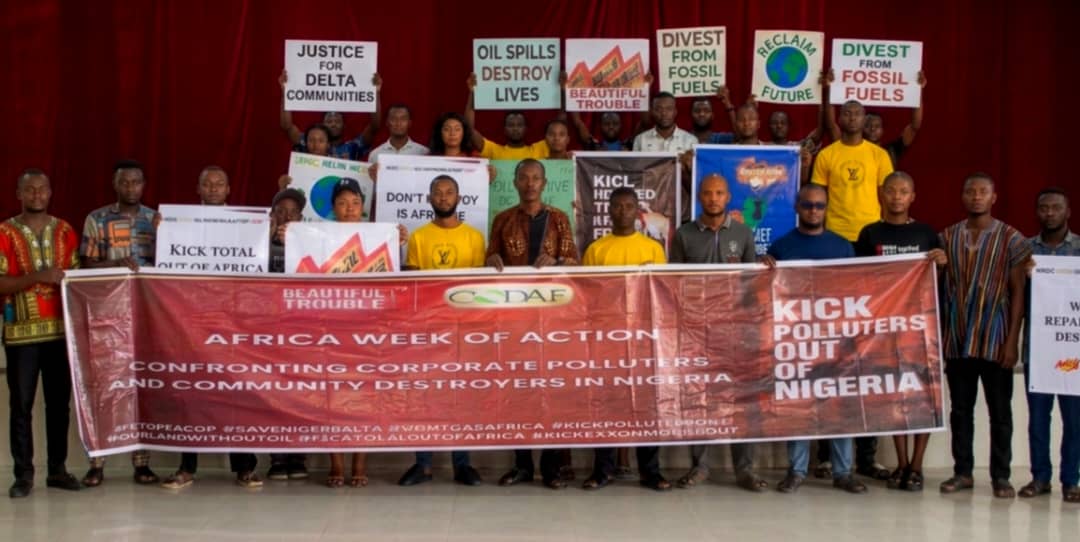
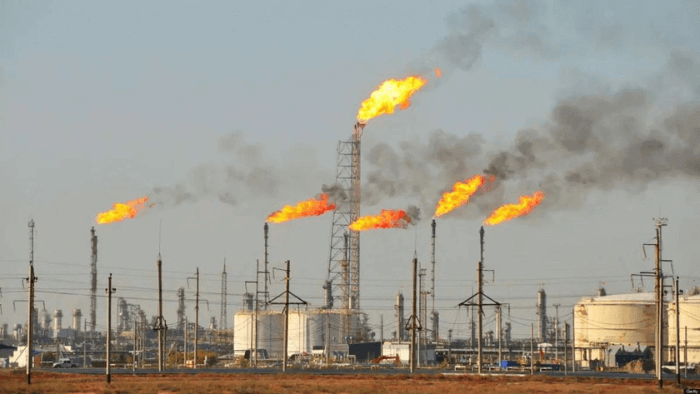
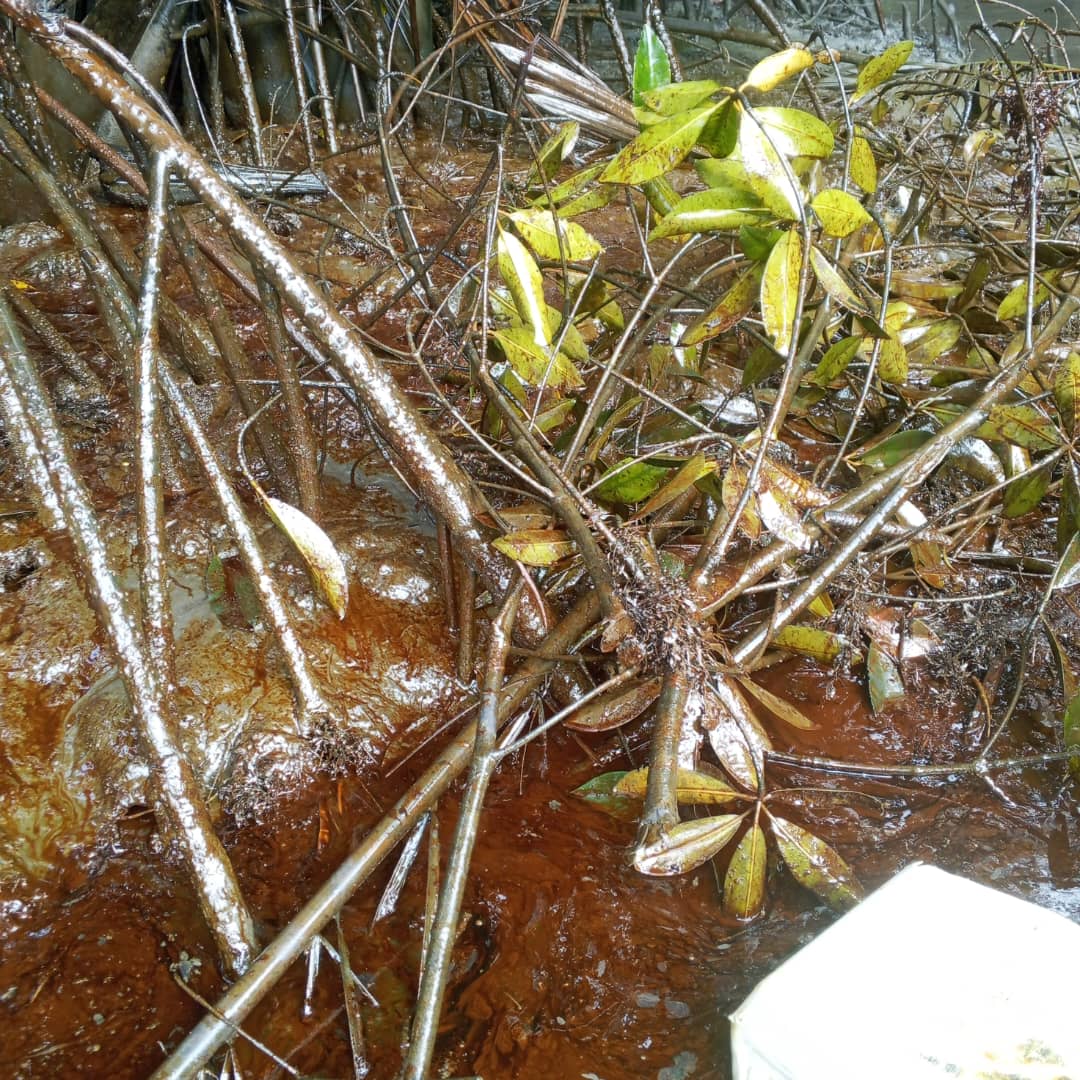
During the visit, PREMIUM TIMES saw what looked like traces of oil around the wellhead and heard a faint sound coming from it. The report called for proper documentation of the status, integrity, ownership, and environmental risks of the asset before any action is taken.
Residents said they were told the well was commercially unviable when it was drilled. However, they were also told it might be viable in the future. Trust Udoh from Uyo Afaha Nkan Community in Ikono said his farmland at Idim Etok, where another oil well was abandoned in 1958, had suffered oil spills.
He stated that the community has complained to the authorities and Shell Petroleum Development Company (SPDC) repeatedly, including a report from 2002. “Why I came to this meeting was to still make my complaint known because my community has been suffering from oil spills for over 50 years,” he said. “We have made several reports about it, yet there is no response. We have written to Shell and the then DPR and NUPRC recently, yet no response.”
PREMIUM TIMES saw a letter dated 2002 sent to Shell’s Lands and Legal Department in Port Harcourt. The letter, titled “Environmental and Health Effects of Abandoned SPDC Exploration/Drilling Locations at Ikot Udo Enang and Catchment Sedimentary Basin (OML 12, 1958, 2002),” was submitted by the Executive Council of Ikot Udo Enang Village, Ediene Clan, alongside Uyo Afaha Nkan Village and the Engineering and Technical Services Committee of Ndiya Youth Progressive Union.
The letter included complaints about environmental and health issues linked to abandoned exploration and drilling sites and called for clean-up. Residents also raised concerns about illegal bunkering around abandoned oil assets.
They claimed that people involved in these activities sometimes came into the communities with armed men who shot into the air, causing fear among residents. These worries add a security angle to the environmental risks tied to poorly monitored abandoned oil facilities.
In August, the chairman of Ikono Local Government Area took security personnel to dismantle an alleged oil bunkering site at Ediene Atai, a community near Ikot Enua. The HOMEF report pointed to Ediene Atai as one of the places where illegal bunkering has occurred around an abandoned oil asset. This situation shows how poorly managed oil infrastructure can lead to crude oil theft and other illegal activities.
Communities seek protection, empowerment
The Village Head of Ikot Idaha, Ikono, Kingsley Ekpo, said residents often see oil sheen on streams, especially during the rainy season. He urged the government to clean up the affected areas.
Isong Udoette, a youth from Ikot Enua, said young people in host communities often know first when vandals plan to attack abandoned oil facilities. But he noted that some might be tempted to work with illegal operators because the abandoned assets do not bring any visible benefits to their communities. He called for training and empowerment for young people to monitor and protect these facilities.
Abandoned assets documented
The report identified three abandoned capped oil wells in Ntan Mbat/Adarabom in Ibiono Ibom LGA. It also noted an old pipeline in a swamp in Ikot Uba/Edem Urua, mostly covered by plants, and an oil installation at Ikot Idaha.
HOMEF said the community discussion aimed not only to document complaints but also to turn residents’ experiences into an action plan for engaging with government agencies and other decision-makers. The organization said this process would include sharing knowledge, building community agreements, and creating recommendations based on community needs.


Drop your comment
No comments yet — be the first to drop the gist 👇