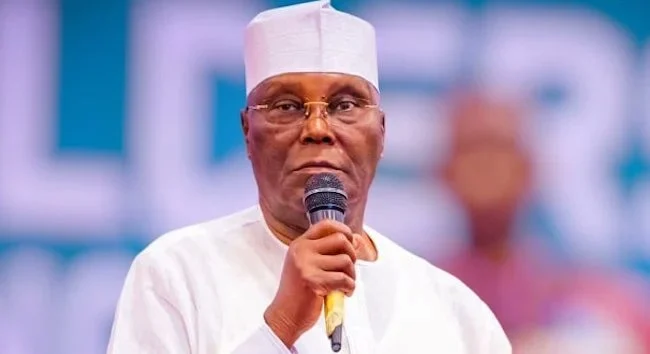
Former Vice President Atiku Abubakar has asked the Federal Government to explain what he calls a ₦7.98 trillion oil revenue windfall. He is curious why the government is borrowing heavily, even though crude oil prices are higher than the 2026 budget estimate.
In a statement released on Sunday by his Senior Special Assistant on Public Communication, Phrank Shaibu, Atiku accused the Tinubu-led government of lacking transparency in its finances. He insists that Nigerians deserve to know how much money is coming in from high oil prices.
Atiku pointed out that the Federal Government raised about ₦5 trillion from the domestic bond market in the first half of 2026. This amount is almost 80 percent of what was borrowed in the same time frame in 2025.
According to him, this kind of aggressive borrowing usually happens when government revenues drop sharply. "The exact opposite is the case," Atiku said.
He noted that the 2026 Appropriation Act set the crude oil price at $92 per barrel between March 1 and July 14. Nigerian crude often sells for more than that.
Atiku raised two important questions. First, why is a government that is enjoying a large oil windfall borrowing at almost double last year's rate as if the country were in financial trouble? Second, where is the money going?
Atiku explained that the difference between the budget price and current oil prices means the country earns an extra ₦42.7 million each day over the 135 days from March 1 to July 14.
His calculations show that the extra revenue adds up to $5.76 billion, or about ₦7.98 trillion.
"Nigerians deserve a full accounting of this windfall. Where has the money gone? Why is there no clear disclosure of the profits from oil sales? Why is the government borrowing heavily when oil revenues are much higher than the budget estimates?" the statement continued.
The ADC presidential candidate criticized the government for not providing clear details on how excess oil earnings are being used. He reminded everyone that past administrations had systems like the Sovereign Wealth Fund to manage and report such revenues.
"Today, Nigerians are left completely in the dark. A government that cannot explain what it has done with an estimated ₦7.98 trillion in extra oil money has no right to keep putting the country deeper into debt," he stated.
Atiku said that the benefits from higher oil earnings and the removal of fuel subsidy have not improved life for Nigerians. He shared recent UN findings that show around 80 percent of Nigerians cannot afford a decent meal every day. Infrastructure, healthcare, and education continue to suffer, even with the government's promises that savings from subsidy removal would be used for these areas.
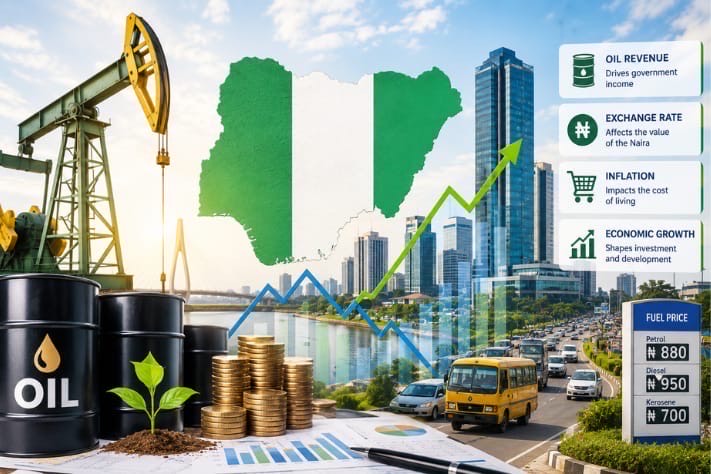
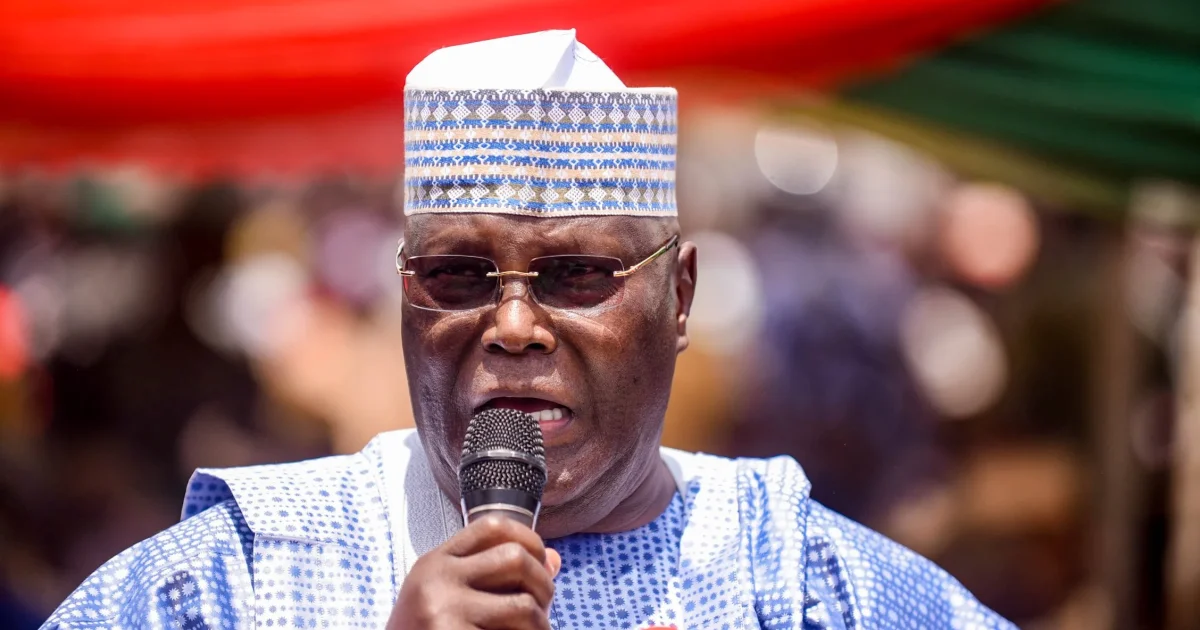
"It is clear that this administration does not have the skill, discipline, and transparency needed to manage the country's resources.
“Instead of letting Nigerians benefit from good global oil prices, it has chosen to keep borrowing, increasing debt, and worsening poverty,” he added.
As he laid out the ADC's economic plans for the 2027 general election, Atiku promised that if he is elected, his government would use a clear fiscal framework. This would ensure that all revenue above the budget oil benchmark is accounted for publicly.
He said excess oil money would be used to reduce Nigeria's debt, boost fiscal reserves, and fund investments in infrastructure, healthcare, education, and agriculture instead of just paying for regular expenses.
"We will bring back transparency in oil revenue management by regularly publishing reports on extra oil earnings. We will make sure public finances meet high standards of accountability.
"We will reduce the cost of governance, eliminate waste, stop leakages, and ensure that borrowing is only for productive investments that can generate real economic returns, not to cover spending or hide financial mismanagement," he added.
He concluded by insisting that Nigerians deserve proper accountability in managing public resources.
"Nigerians deserve answers. They deserve accountability. Above all, they deserve a government that manages national wealth for the public good, not one that operates in secrecy while asking future generations to pay back debts incurred during times of plenty," he said.
The Tinubu administration has defended its borrowing as necessary for covering budget deficits, developing infrastructure, and carrying out economic reforms after removing petrol subsidies and unifying the foreign exchange market.
Nigeria's 2026 budget was based on crude oil selling at $64.84 per barrel and production of about 1.5 million barrels per day. The ongoing rise in global oil prices has sparked debate about how much extra revenue is coming to the federation and how it is being managed.
Atiku’s latest comments add to the growing criticism from the opposition concerning public debt, financial transparency, and the use of oil revenues as political parties prepare for the 2027 presidential election.
Drop your comment
No comments yet — be the first to drop the gist 👇