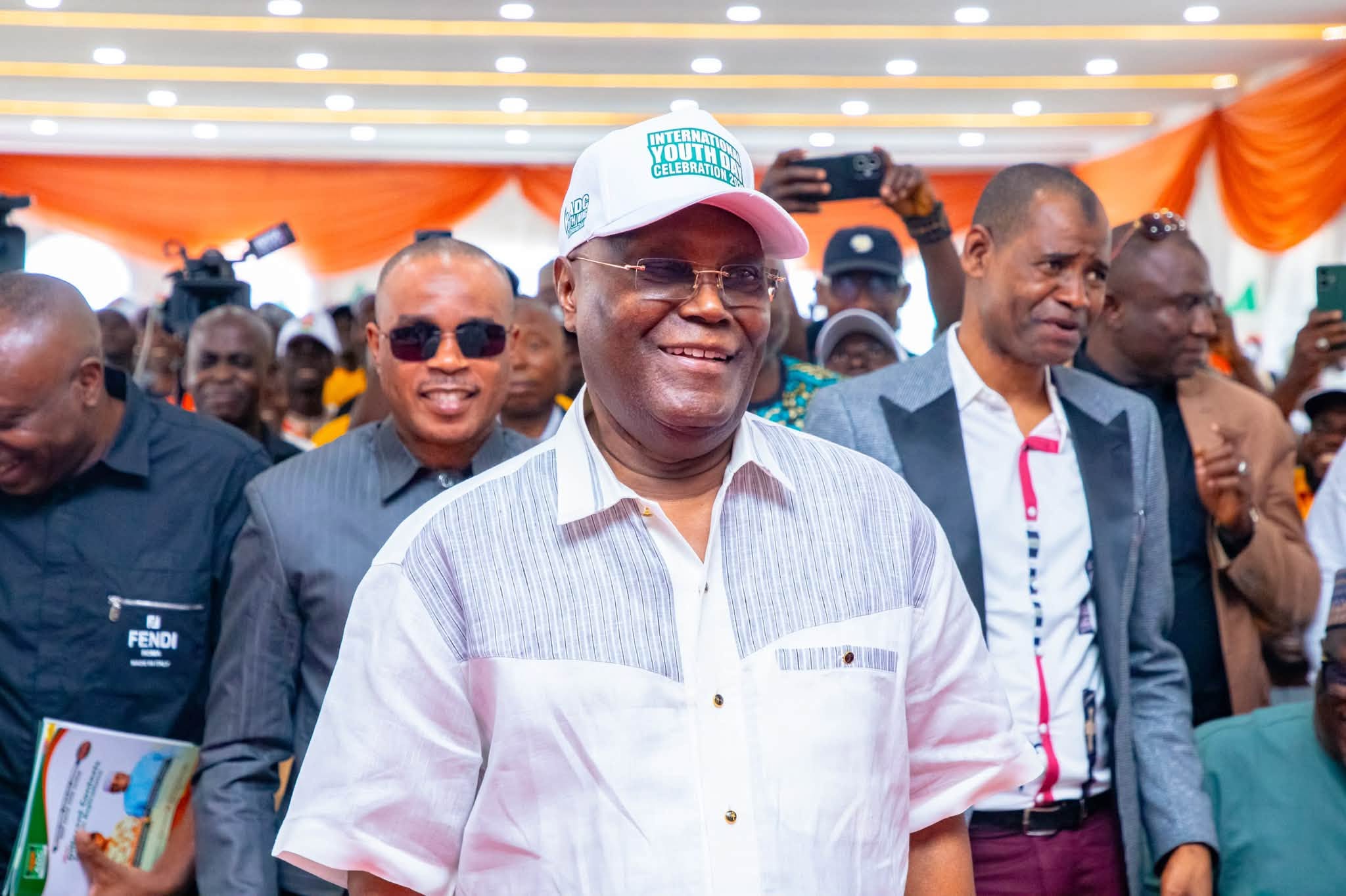
Former Vice President Atiku Abubakar has called on President Bola Tinubu to quickly raise Nigeria’s N70,000 minimum wage. He said that rising costs of fuel, transport, food, and housing have made it hard for workers to buy what they need.
Atiku, who is the presidential candidate of the African Democratic Congress (ADC) for the 2027 elections, made this statement in a release on Sunday. The release was from Phrank Shaibu, who is the director of Strategic Communications for the ADC Presidential Campaign Council.
The former vice president pointed out that the current minimum wage cannot meet the basic needs of Nigerian workers. This is especially true as petrol prices continue to rise.
Nigeria’s minimum wage increased from N30,000 to N70,000 in 2024 after talks between the federal government, state governments, employers, and labour unions. President Tinubu signed the new wage into law in July 2024.
But Atiku believes this increase has not kept up with the rising cost of living. He said, “Tinubu asked Nigerians to make sacrifices and treated the suffering that followed as an afterthought. Those with the least have been made to carry the heaviest load. That is the cruel arithmetic of this cost-of-living crisis.”
Atiku compared how much fuel workers could buy with the old and new wages. He said N30,000 could buy about 118 litres of petrol when the average price was N254.06 per litre in April 2023. But now, at about N1,400 per litre, N70,000 can only buy 50 litres.
“The payslip has grown, but the fuel it can buy has more than halved. Tinubu has given workers a larger number and left them with a smaller life,” he added.
Petrol prices have increased sharply in recent weeks due to rising international crude oil prices. In Abuja, some petrol stations sold fuel for between N1,400 and N1,450 per litre in September, according to a survey by Premium Times.
Atiku blamed part of the pressure on households on the removal of the petrol subsidy by the Tinubu administration. He argued that this policy came without proper support for workers.
“The government pulled away the floor, offered workers a flimsy umbrella and now applauds itself while the rain beats down on them. Fuel, transport, food, and rent have devoured their earnings. This is a callous way to govern people who work hard and ask only for the means to live,” he said.
He explained that the impact of rising petrol prices goes beyond just motorists. Higher energy costs also affect transport, food production, and other goods and services. “Petrol does not stay at the pump. Its price follows the farmer to market, enters the baker’s oven, and appears in the fare a parent pays to take a child to school,” he said.
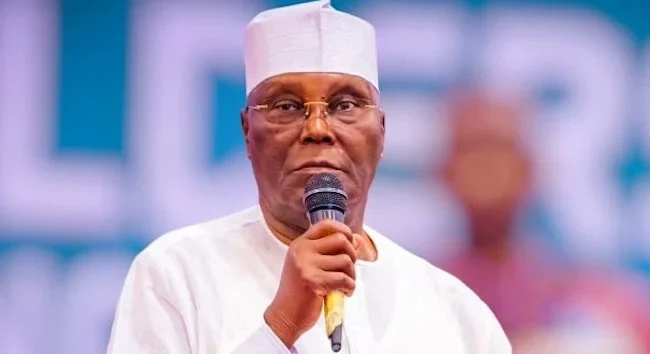
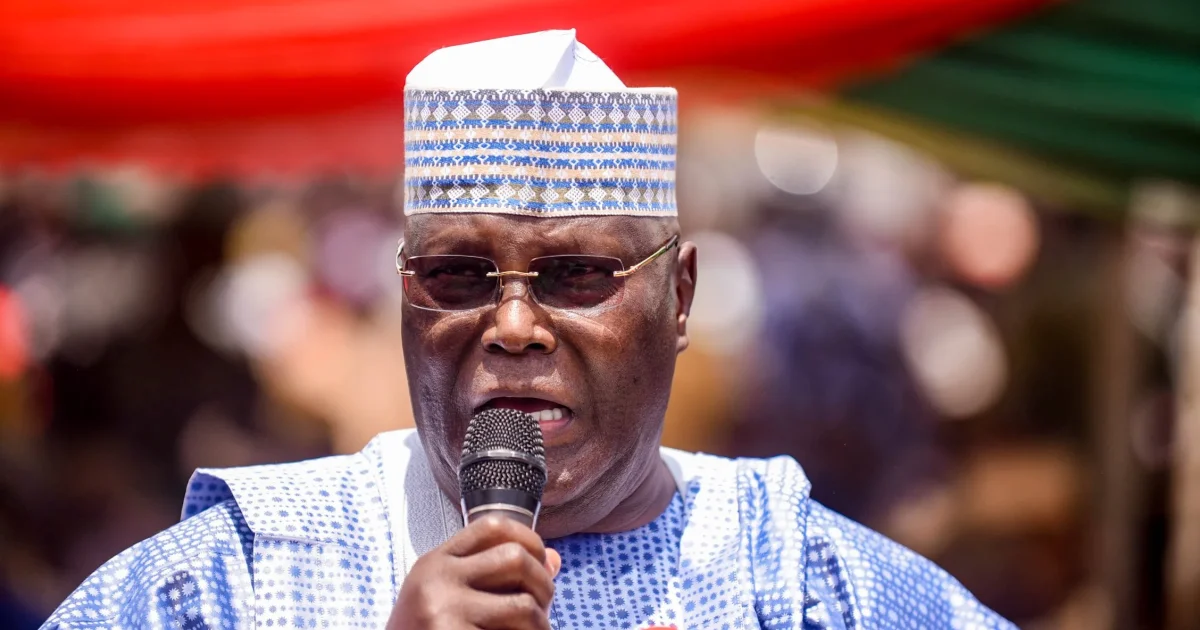

Atiku challenged Tinubu to agree to a significant increase in the minimum wage based on current costs of food, transport, rent, and electricity. He said workers should not have to wait through long negotiations while their purchasing power keeps falling.
“If he has no intention of raising workers’ pay, he should say so plainly and stop stringing the Nigeria Labour Congress and other labour leaders along,” he added.
The former vice president also promised to work on increasing the wage floor if elected president in 2027. “From May 2027, my policies will protect the people: support Nigerian production, deliver relief at the pump and provide targeted help to those hit hardest by the cost-of-living crisis,” he said.
Atiku suggested a production subsidy for petroleum products refined in Nigeria and sold to Nigerian consumers. He noted that this intervention would have a spending cap, public accounting, and independent auditing to ensure that government support leads to lower petrol prices.
This proposal comes as the debate continues on how to help Nigerians with rising fuel prices. Atiku insisted that any wage increase must come with actions to lower the cost of essential goods and services.
He added that raising salaries without tackling the underlying cost issues would only provide temporary relief. “A living wage must buy a living. It is not a privilege; it is a basic right,” he said.
Atiku's proposed policies would combine higher wages with social protection, support for local production, and measures to stabilize the cost of essential goods and energy. His demand comes as organized labour and some workers have also stated that the N70,000 minimum wage has lost much of its purchasing power.
In September 2025, the Nigeria Labour Congress and federal workers called for a review of the wage, pointing to rising costs of food, transport, and housing. Some states have since approved wage increases above the national minimum, including Imo, which raised its minimum wage to N104,000.
The National Minimum Wage Act states that the national minimum wage should be reviewed every three years. This means the next review is due during the 2027 election campaign.

Drop your comment
No comments yet — be the first to drop the gist 👇