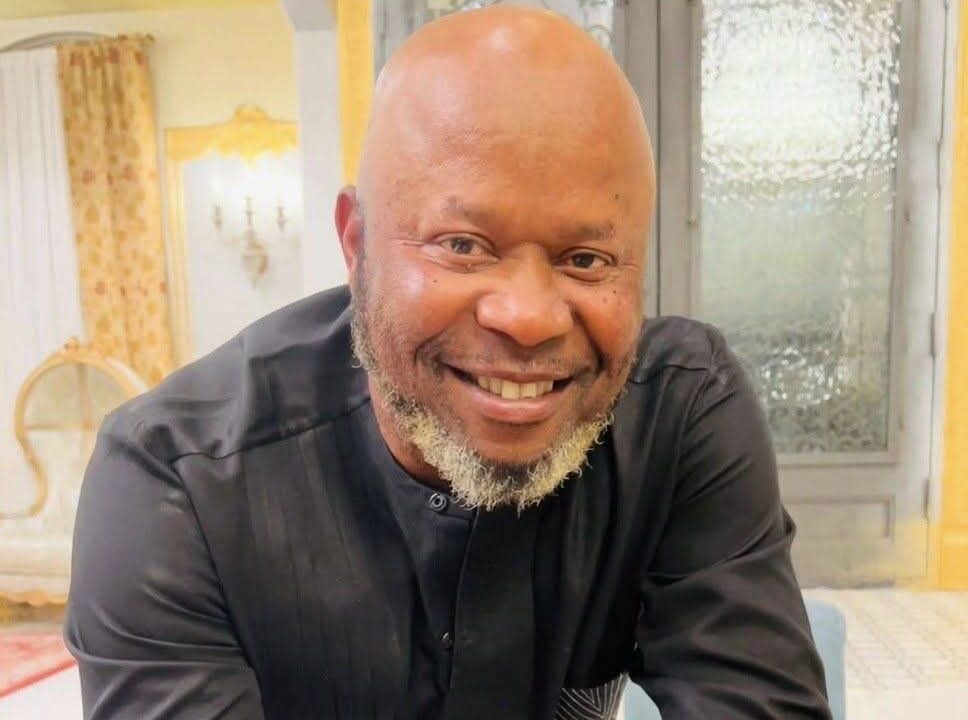
A team from FIFA and CAF has come to Nigeria. They are here to help solve the problems facing football in the country.
This visit comes at a time when many people are asking for changes in Nigerian football. The Super Eagles did not qualify for the 2026 FIFA World Cup. The Super Falcons also missed out on the next World Cup in Brazil. These failures have raised concerns about the state of the game.
While Nigeria waits for the outcome of FIFA and CAF's intervention, former Super Eagles defender Ben Iroha has made his views clear. He is not interested in becoming president of the Nigeria Football Federation (NFF).
In this chat with PREMIUM TIMES, Iroha talks about the crisis in Nigerian football. He compares his generation of players with today's players. He also shares his experience with the 1994 Super Eagles and how he planned for life after football long before he stopped playing.
PT: There are ongoing reforms in Nigerian football. Some are pushing to have ex-players lead the Nigeria Football Federation. Would you consider becoming NFF president and helping to reform the game?
Iroha: I wouldn’t like to be. If they give it to me for free, I won’t take it. Honestly.
I always love my country. I will serve my country and do everything I can, but if they give it to me for free, I won’t take it. There are a lot of things I cannot manage.
PT: Nigeria’s failure to qualify for the 2026 World Cup was a major disappointment. How did you react to it, particularly from Dallas?
Iroha: It was very bad. We thought Nigeria would make it, and we were ready to host the whole Nigerian national team in Dallas.
I had already organised that. One of the games was supposed to be played in Dallas, and it was going to be massive. Nigerians were already saying, “Ben, bring the Super Eagles.” How am I going to bring them? We didn’t qualify.
It was very, very bad. We need to go back, understand what is wrong, face it and get back on the field.
PT: How do you compare your generation with the current generation of Nigerian footballers?
Iroha: The talent and the gift are still here, but the passion is different.
I think we played with more passion. I played more for my country than I played for my club. When I was playing for Nigeria, I played more for the country than I did for my club.
The passion for wearing that green-and-white jersey was different. So, it is a little bit different now. Nobody should be blamed for it. It is just a different generation. My generation played with everything.
PT: What do you advise current players about preparing for life after football?
Iroha: It is a little better now because they have managers and financial advisers, and I think most of them are doing better.
But some of them don’t understand that the life you are living while you are playing is different from the life you will live when you retire. The money is going to go.
The money you put aside by investing in real estate or making good investments will help you.
When you are at the top level, the kind of life you live can be expensive. If you don’t control it, you can become bankrupt.
So you have to listen to financial advisers, make good investments and invest in real estate and other things. That will help you when you retire.
PT: You have had a successful life after football. How did you prepare for it?
Iroha: Honestly, life after football has been amazing. I am not trying to boost myself, but I planned my future before the end of my career. I knew I was going to live in Texas.
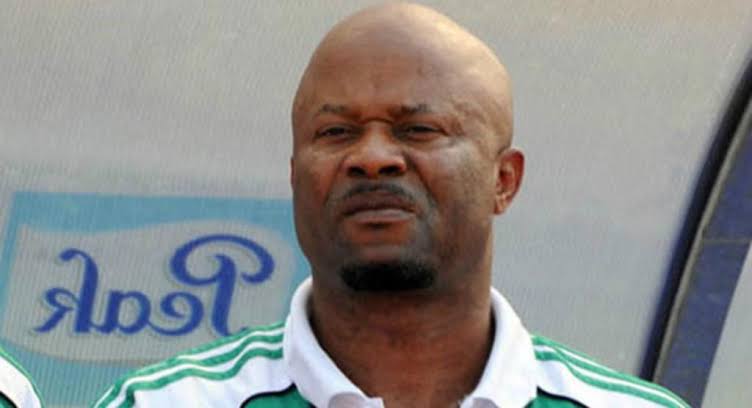
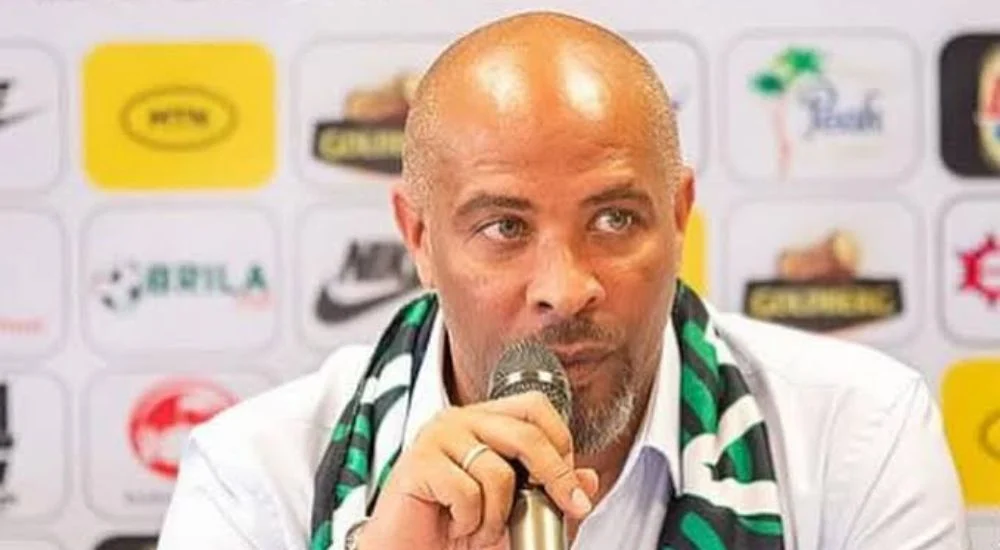
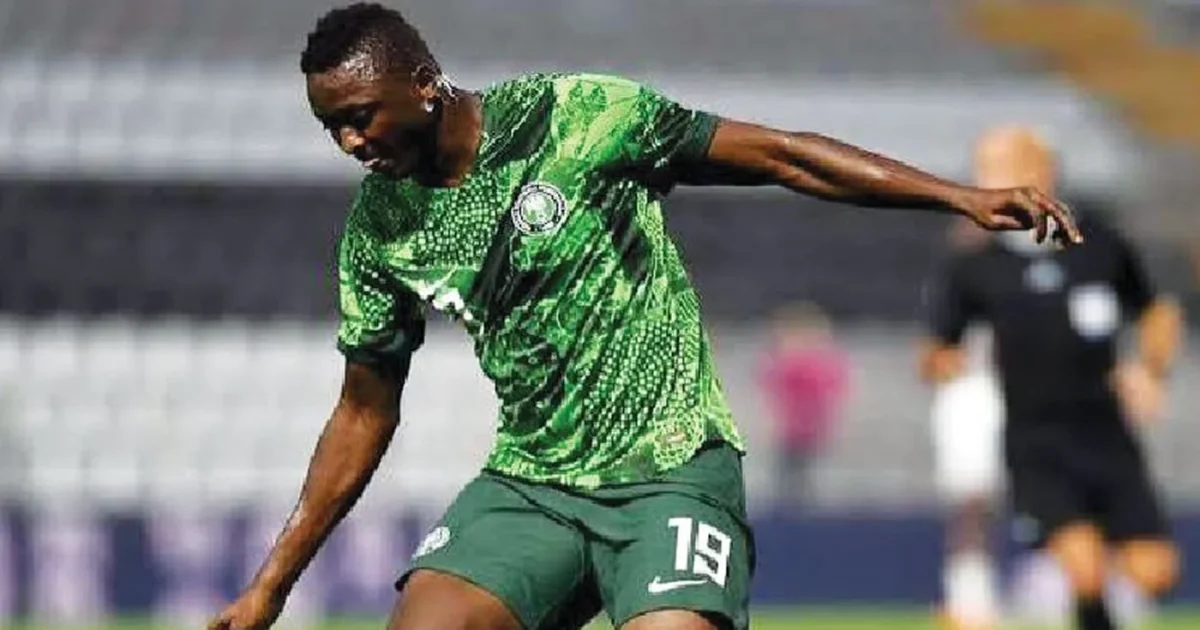
The last time I was here, I stayed in Dallas because I was visiting my brother. Immediately after I quit football, I moved to Dallas with my family. I had already bought a house before I retired.
It has been a very good life for my family and me. I have three children. My daughter is a medical doctor, while my sons are 28 and 21. They are all doing very well.
PT: What does it mean to see members of the 1994 and 1996 generations being celebrated 30 years later?
Iroha: It is very interesting and lovely. I really appreciate the organisers for this because this is what we want, to be celebrated and appreciated.
Most of us played the game at the highest level and served this country with all our hearts. But things like this have not been done for a long time, and it is not fair.
I have lived in Dallas for more than 30 years, and I know how they appreciate their ex-internationals here. There is hardly a week or month that I don’t appear on ESPN, the local ESPN. They recognise me.
It is not that we are the best people. This is our sport. This is what we did for a living. What I saw today was very nice, and I hope it gets even better because it will help a lot.
PT: What do you remember most about the bond among your teammates during your playing days?
Iroha: I’m happy to be here and to see everybody. I am very glad to see my brothers; it has been a long time.
The game has changed, and the players have changed. In those days, when we came together, we didn’t want to go home again. We loved each other so much and supported each other.
Every evening, we would spend time together in one room, sometimes until 3 a.m., talking about ourselves. The love was so much.
PT: You have spoken about planning for your future. When did that vision begin?
Iroha: When I first came to Dallas, I saw a lot of Igbos and Nigerians.
During our first game at the World Cup against Bulgaria, it felt as if we were playing in Lagos. You saw whites, Mexicans and everybody wearing green and white. It was unbelievable.
When I came to Dallas, I told my wife, “This is where we’re going to live after my retirement.”
I saw the vision already. I loved the place a lot. I told my wife it was like a dream. I said I was going to live in Dallas after football and go into the spare parts and car business. I was going to make it.
And that is what I do today. I am doing very well. Thank God for that.
PT: What is your message to young footballers?
Iroha: You really have to apply yourself. It is a long way, but it is also a short time. Nobody is going to play forever. There is an end to everything.
So, you have to start planning. Most of them, when they finish their careers, realise they cannot recover what they lost.
You have to plan while you are still playing because life after football will come.
Drop your comment
No comments yet — be the first to drop the gist 👇