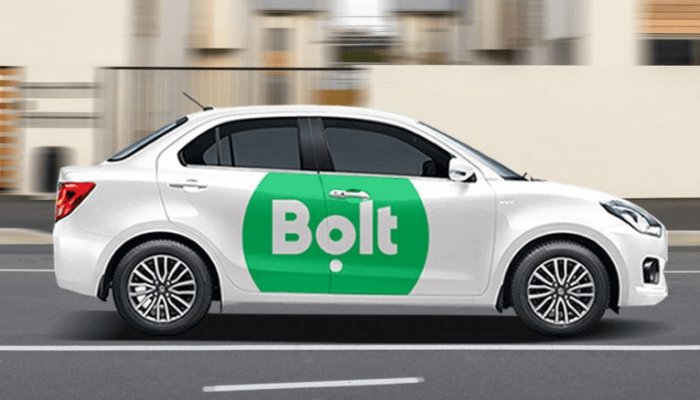
Bolt has been allowed to start operations again at airports run by the Federal Airports Authority of Nigeria (FAAN). This comes after the Minister of Aviation and Aerospace Development, Festus Keyamo, got involved.
Mr Keyamo said on Thursday that he had told FAAN to quickly look into complaints from passengers about high taxi fares at the airport. Passengers were upset after e-hailing services were disrupted and they faced steep increases in taxi prices.
After the minister's action, FAAN announced that it had reached a new agreement with Bolt, allowing the company to restart its services at FAAN-managed airports right away.
This decision comes after days of complaints from passengers who were unhappy with the higher transport costs. They were unable to use services they normally relied on, causing frustration.
FAAN also said sorry to passengers for the trouble caused by stopping e-hailing services temporarily.
The issue began when FAAN tried to set up a new system for e-hailing and commercial vehicles operating at the airports. An internal memo from FAAN on July 30 ordered airport managers to stop Bolt and Uber from working at FAAN-managed airports until they finalized licensing agreements with these companies.
But on August 20, FAAN stated it had not banned Uber, Bolt, or other e-hailing services entirely. It said talks were still happening to create a workable plan for their operations.
This clarification followed reports that some e-hailing services faced restrictions at major airports like Murtala Muhammed International Airport in Lagos and Nnamdi Azikiwe International Airport in Abuja.
FAAN explained that it was not trying to limit transport options for passengers. Instead, it aimed to ensure that commercial transport services at the airports met safety and security standards.
The authority said airports have strict regulations. It needed to have a clear view of vehicles, drivers, and operators in these areas.
FAAN mentioned that it had been tackling issues with commercial and e-hailing vehicles at airports for almost ten years. Problems included passenger solicitation, touting, unregulated operations, and random pick-ups.
These challenges made it necessary to better manage commercial transportation at the airports.
Things became worse when passengers started complaining about high taxi fares. A recent video by travel content creator Chris Joondeph, known as Authentic Travelling, showed an airport taxi driver asking for N30,000 for a ride from Lagos airport to Ikeja.
This fare caused a lot of backlash. Many pointed out that Bolt offered the same trip for about N6,900, while Uber priced it at N4,200 for UberX and N5,800 for its Priority option.
The complaints grew as passengers were used to cheaper options through e-hailing platforms for airport transportation.
FAAN clarified that the fares causing public outrage were not new charges imposed by the authority. These rates were already in place before the Airport Car Hire Rank Management System (ACHRAMS) was introduced.
According to FAAN, ACHRAMS only provided better visibility of existing airport taxi fares.
ACHRAMS, which stands for Airport Car Hire Rank Management System, was set up by FAAN to manage airport car-hire ranks and transportation operations.


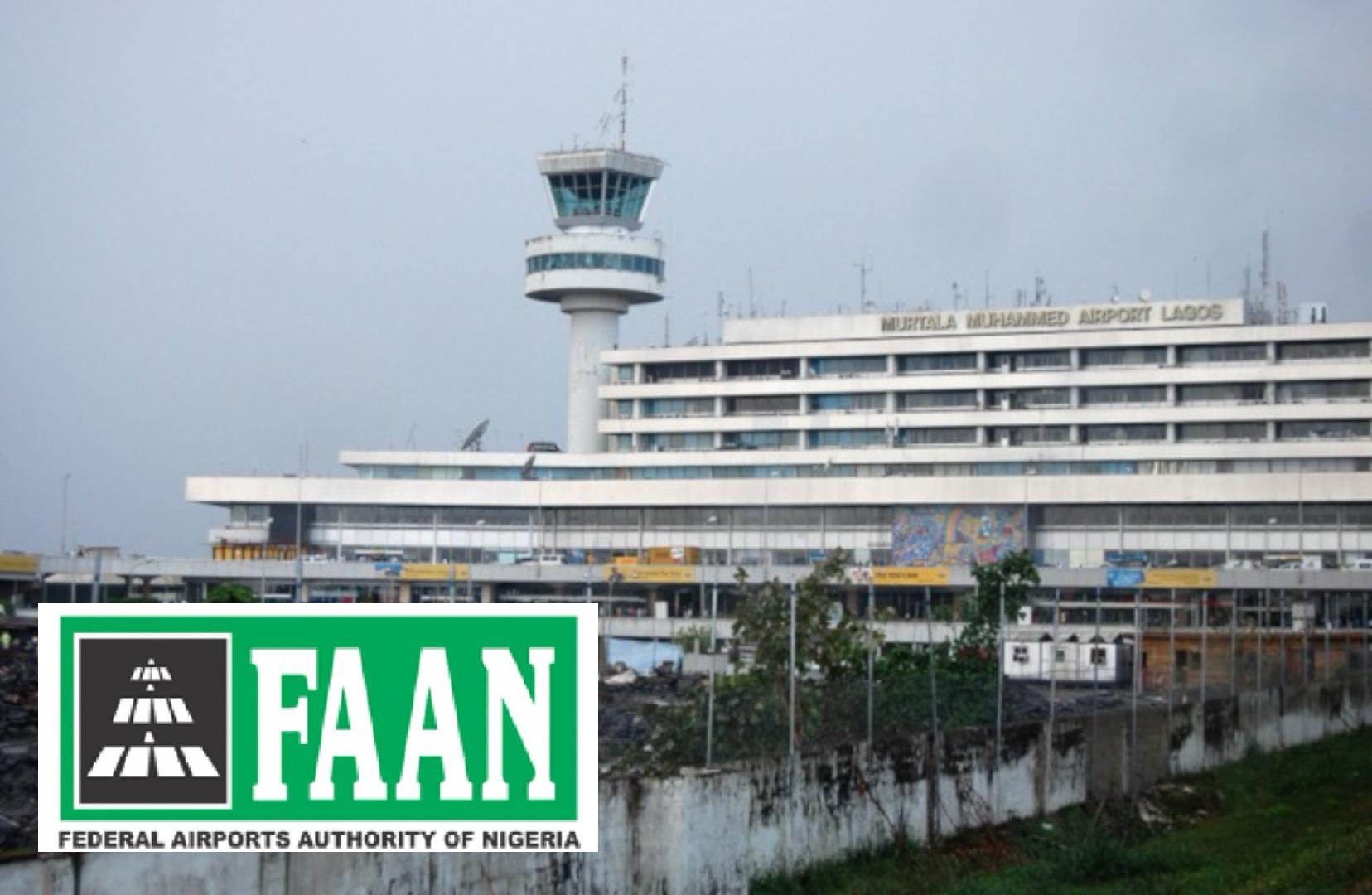
FAAN emphasized that ACHRAMS is not an e-hailing app and was not intended to compete with Bolt, Uber, or other platforms.
With the ongoing fare disputes and the disruption of e-hailing services, Keyamo instructed FAAN to quickly resolve the situation.
His involvement came as passengers continued to voice their frustrations over the struggle to find affordable transport from the airports.
Following his directive, FAAN engaged Bolt and reached an agreement to allow the platform to resume services immediately.
FAAN said this agreement shows that airport rules and security can coexist with passenger access to e-hailing services.
"The resolution shows that we can protect the airport environment's integrity and security while allowing passengers to enjoy the convenience of e-hailing services," FAAN stated.
FAAN also apologized for the disruption. "We sincerely apologize for the difficulties this caused our passengers," the authority said.
FAAN recognized that while its actions were based on regulatory and safety needs, they significantly impacted passengers.
Now that the agreement is in place, Bolt is back to operating at all FAAN-managed airports.
FAAN is also in talks with other e-hailing companies and expects to conclude discussions soon.
However, the authority did not provide specific details about the terms agreed with Bolt.
Passengers can still choose from the transportation options available at the airports as long as they are authorized to operate there.
FAAN noted that its role is to ensure that whichever transport service passengers choose works in a safe and orderly manner.
This resolution follows FAAN's earlier stance that its talks with e-hailing companies were only meant to create a suitable framework instead of eliminating their services.
With this latest development, Bolt is back as a choice for passengers at FAAN-managed airports. The authority is still in discussion with other operators.
For passengers, this means they have a familiar and cheaper option for airport taxi services, especially as transport costs have become a big part of the airport experience.




Drop your comment
No comments yet — be the first to drop the gist 👇