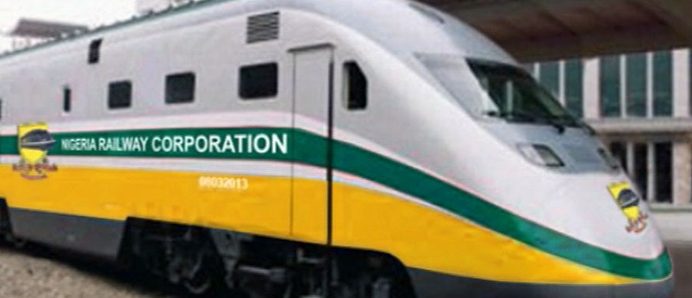
Worries are growing among train passengers and freight operators. The Nigerian Railway Corporation (NRC) may increase fares for passenger and cargo services. Rising operating costs are putting pressure on its finances.
This news comes just after the end of the Federal Government's 50 percent discount on train fares for Eid-el-Kabir. This discount was meant to help Nigerians with transport costs during the festive period.
Reports show that NRC is facing higher costs for fuel, maintenance, security, spare parts, staff, and managing infrastructure. These rising costs are making it harder to run rail services across Nigeria.
The NRC operates three main rail lines: the Abuja-Kaduna Train Service (AKTS), the Lagos-Ibadan Train Service (LITS), and the Warri-Itakpe Train Service (WITS). It also runs narrow-gauge services on the Iddo-Ijoko, Iddo-Kajola, and Port Harcourt-Aba routes.
Sources with knowledge of the NRC's finances revealed that the high price of diesel, which powers most trains and generators, is a major issue. They said the diesel costs alone went over ₦1.2 billion in April 2026, making up a large part of overall spending.
Besides fuel, the NRC is also dealing with rising costs for maintaining trains, tracks, signals, and station facilities. The cost of imported spare parts, bought with foreign currency, is putting more strain on its budget.
A senior official at the NRC, who wished to stay anonymous due to the sensitive nature of the information, said the corporation has tough choices to make. "Management is carefully reviewing the situation. Operational costs have continued to rise while fares have largely remained unchanged. We are left with limited options. Either we review our pricing structure to reflect current realities or scale down operations on some corridors," she said.
The official added that the NRC's financial situation has worsened recently due to rising costs and disruptions in operations. "Fuel prices have increased significantly. Security-related expenses have also risen because we need to protect railway assets from vandalism and theft. We have had to make emergency repairs on our infrastructure and rolling stock, while inflation affects nearly every part of our operations."
Experts in the industry point out that the rail sector has also been hit by rising electricity bills, insurance costs, and logistics support expenses. There is also more spending on security to protect important infrastructure along the country’s rail network.
Recent vandalism and attacks on railway assets have pushed up maintenance and security costs. This forces the NRC to shift resources toward repairs and protecting its assets.
The Abuja-Kaduna rail line, a key route for passengers, has seen rising operating costs due to increased security needs and higher maintenance demands. If approved, any fare increase would impact both passenger and freight services, including the Lagos-Ibadan, Abuja-Kaduna, and Warri-Itakpe lines, as well as narrow-gauge services.
Freight operators are worried that higher rail fares could raise logistics costs and, in turn, increase the prices of goods moved by train. Passenger groups are also asking the Federal Government to keep supporting rail transport to ensure fares remain affordable for ordinary Nigerians.
When asked about the situation, the Managing Director of the NRC, Kayode Opeifa, admitted that rising operating costs are a concern. He assured Nigerians that the NRC is committed to supporting the Federal Government’s transport goals. He said the NRC will align with President Bola Ahmed Tinubu’s Renewed Hope Agenda to keep rail transport safe, reliable, efficient, and affordable.
"The Federal Government is dedicated to making transport affordable for Nigerians. While we recognize the reality of rising operational costs, we will keep looking for solutions that ensure sustainability without harming the public interest," Mr Opeifa said.
Stakeholders believe the next few weeks will be crucial as the NRC tries to find a balance between being financially sustainable and providing affordable transport services to millions of Nigerians.
Drop your comment
No comments yet — be the first to drop the gist 👇