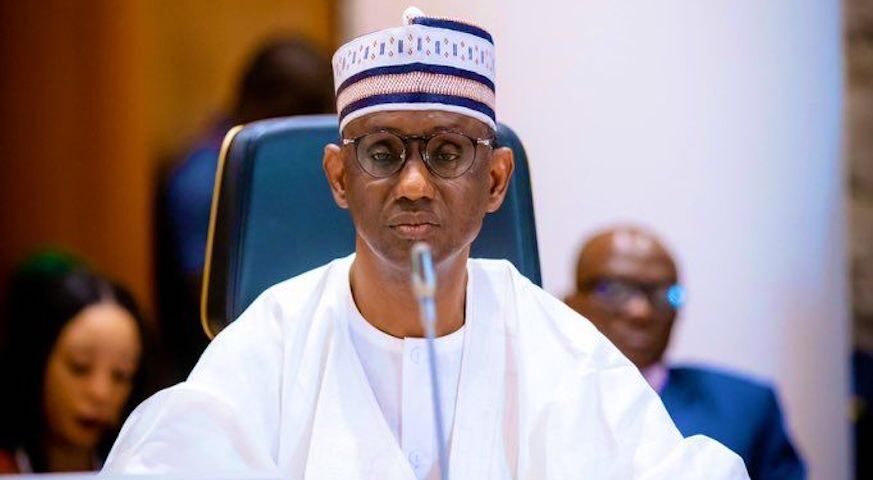
AgriShield shows that the Federal Government knows food security is linked to human safety. Military, intelligence, and law enforcement create a secure space. Agricultural and financial institutions help with production. Communicators share verified progress. Civil society makes sure policies consider the people they affect. All these parts support one another. Farmers who feel safe are more likely to work their fields. Communities that get credible information can resist rumors, work with authorities, and report threats.
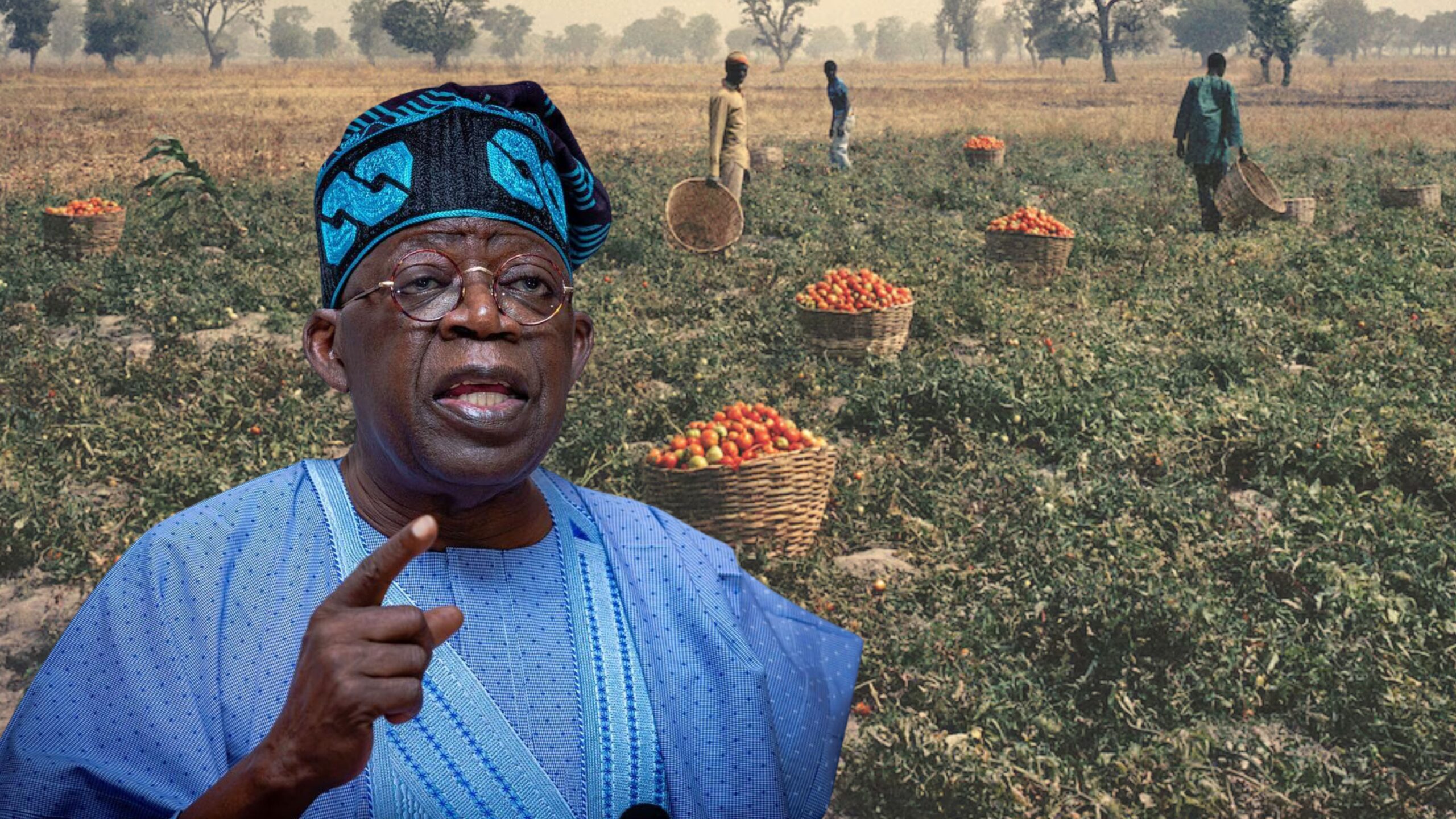
The Federal Government is improving the link between national security and food security with the AgriShield Initiative. This initiative is led by the National Counter Terrorism Centre in the Office of the National Security Adviser, working with TAG International. The pilot program in Borno State focuses on a problem that affects every Nigerian home: farmers need to reach their land, farm it, and harvest without fear. By explaining the protection offered and including community concerns in government planning, AgriShield helps farmers recover, ensures safer livelihoods, and strengthens the national food supply.
AgriShield is a creative program under the NCTC's strategic communication plan for fighting terrorism and violent extremism. Its main message is, "Our Presence is Your Peace." This means security is about more than statistics; it is about real-life outcomes. For a farming family, security means safe access to their farm, healthy crops, and getting their produce to market. The campaign tracks progress by looking at threats removed, harvests secured, and normal life restored.
This plan is based on research. Between June and July, a survey covered 1,409 people in 18 wards across Maiduguri Metropolitan Council, Jere, and Mafa Local Government Areas. Only 17 percent of those surveyed knew of any local actions against violent extremism. Of those, only about one-third could name a security-related effort. Awareness of the NCTC was around two percent. Yet 86 percent showed strong interest in information about how the government protects them. These findings highlight a visibility gap: much work is happening, but not enough is understood by the communities it is meant to help.
The survey also showed why focusing on food security is a good way to engage people. Unemployment worried 81 percent of respondents, cost of living affected 70 percent, and food insecurity troubled 57 percent. Only 29 percent mentioned terrorism as a concern. About 83 percent rejected extremist groups and the damage they cause. Therefore, the government does not need to convince these communities that violent extremism is harmful. It must show a trustworthy alternative focused on protection, livelihoods, visible delivery, and hope, especially for young people at risk of recruitment, irregular migration, drugs, and despair.
AgriShield will start from October to December in Maiduguri Metropolitan Council, Jere, and Mafa. It will include radio shows, community meetings, local dramas, testimonies from farmers and frontline workers, and selected national media content. Four radio stations will air 24 talk shows and 80 jingle slots in Hausa and Kanuri. Six town hall meetings will let farmers, traditional and religious leaders, young people, women, and security representatives discuss their concerns directly. An endline survey in December will return to the same wards to see changes in awareness, trust, and public understanding.
The communication plan is based on local needs. Radio reaches 67 percent of respondents and is the most trusted source for 41 percent. Community and religious leaders are the next most trusted, while Facebook and TikTok matter for those under 30. AgriShield will use radio for wide reach, trusted local voices for credibility, and short digital content for younger audiences. It will also include SMS and phone calls so that farmers without internet access are not left out. Communication will be two-way; questions and feedback from communities will shape weekly editorial decisions and future messages.
A major strength of this initiative is the number of federal institutions that have joined. At the first inter-agency meeting by NCTC-ONSA on September 17, the Nigeria Police Force offered its state commands and public-relations network. Defence Headquarters provided strategic communication structures, monthly briefings, Armed Forces Radio, and service platforms. The Nigeria Security and Civil Defence Corps contributed its Agro-Rangers mandate for farmer protection. The State Security Service offered intelligence support, and the Nigeria Immigration Service highlighted cross-border recruitment and youth migration.
The Federal Radio Corporation of Nigeria provided its ability to broadcast nationwide in more than 25 Nigerian languages. The National Orientation Agency offered 818 structures and over 4,000 personnel for community mobilization, dialogue, drama, and local-language outreach. The Institute for Peace and Conflict Resolution provided state-level peace structures and an early-warning volunteer network. NIRSAL Plc also pledged support. These groups joined the NCTC-ONSA in a new government effort that connects security operations, agricultural resilience, public information, community involvement, and conflict prevention.
The pilot also works with partners that know the local area well. The Network of Civil Society Organisations in Borno State, which has about 200 organisations, will help with community outreach. Its local reach complements the NCTC’s ongoing work with the Partnership Against Violent Extremism network. TAG International will provide technical support in research, campaign design, content creation, monitoring, and evaluation. The initiative is also backed by the Federal Government’s partnership with the UK Government in boosting strategic communication, community resilience, and counter-terrorism cooperation.
Inter-agency cooperation is part of the message. Communities often see mixed statements or isolated agency news as signs of disorganization. AgriShield creates a common message platform, designated communication points, and a single NCTC clearinghouse. Operational claims will be confirmed by the responsible agency before being published. Sensitive information will follow agreed channels. Agencies will work together at community events and share verified campaign content through their channels. This strategy ensures accuracy, protects operations, and shows citizens a united Federal Government response.
The safeguards are also crucial. The campaign will share verified operations and results without revealing details that could compromise intelligence or put farmers and community messengers at risk. Planning will consider possible extremist backlash, and field activities will only take place in safe locations agreed with the security agencies. Local voices will be chosen carefully because not all formal gatekeepers are trusted in every area. Most importantly, the campaign will avoid making exaggerated claims. Public confidence grows when official communication is accurate, timely, and matched by visible action on the ground.
AgriShield shows that the Federal Government understands food security is tied to human safety. Military, intelligence, and law enforcement create a secure environment. Agricultural and financial institutions support production. Communicators share verified progress. Civil society ensures policies respond to the people's needs. All these parts support one another. When farmers feel safe, they are more likely to work their fields. Communities that get reliable information can resist rumors, work with authorities, and report threats. Safe farming and harvesting improve livelihoods and reduce the economic pressures that violent groups exploit.
Through the NCTC-ONSA, TAG International, participating federal agencies, civil society, and local leaders, AgriShield puts farmers at the center of the national security discussion. The initiative recognizes that every farm safely cultivated adds to stability, and every protected harvest strengthens Nigeria's food supply. That is the standard for judging the campaign: credible information, responsive institutions, safer communities, and more Nigerians able to produce food without fearing for their land or future.

Drop your comment
No comments yet — be the first to drop the gist 👇