The Borno State Government has told schools to start cholera prevention and control measures right away. This is to stop the disease from spreading further.
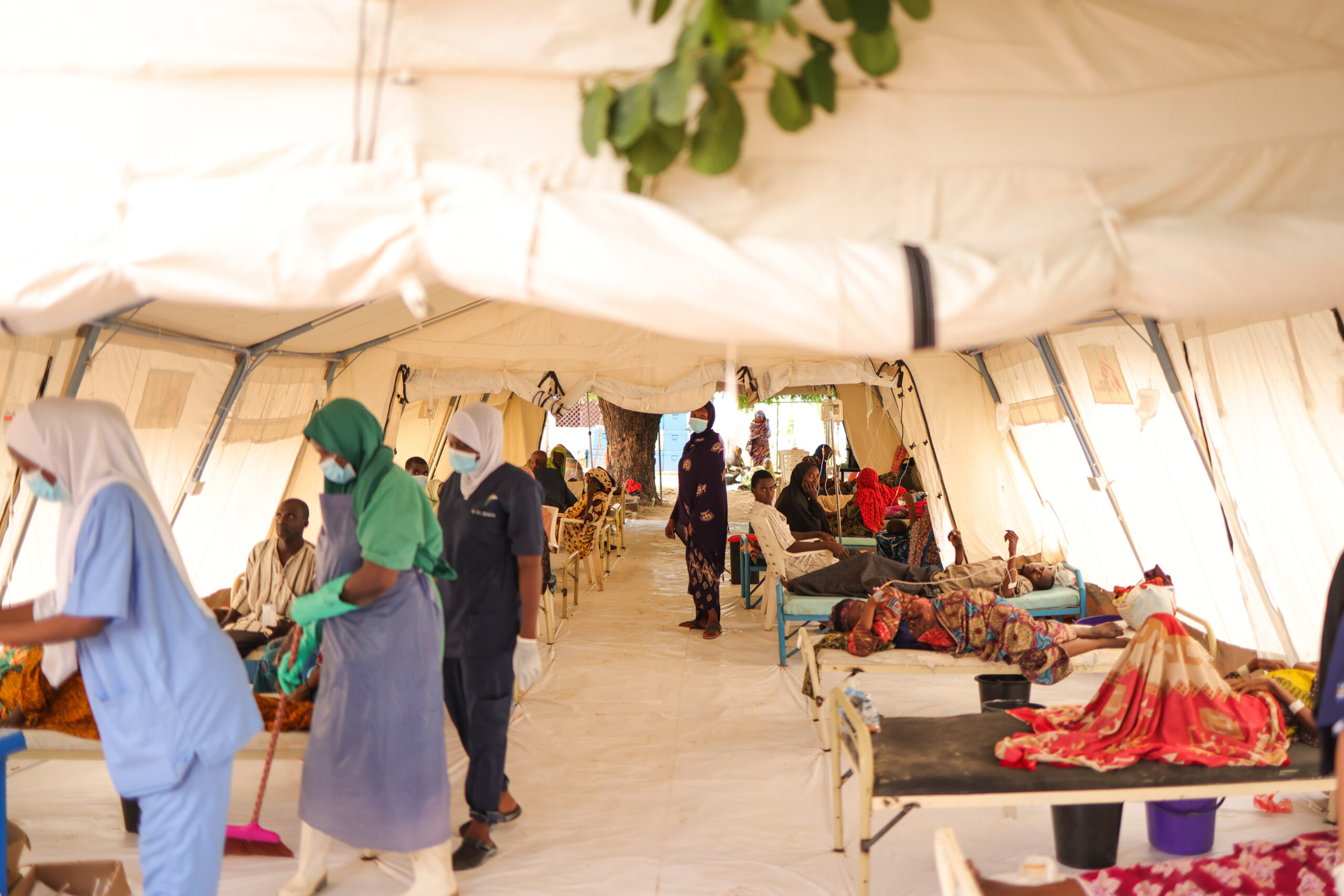
This order came after a cholera outbreak that caused the deaths of over 40 people and infected more than 3,000 others in seven local government areas of Borno State.
The outbreak happened between May 1 and May 28, affecting 139 communities in Maiduguri, Jere, Mafa, Konduga, Monguno, Ngala, and Magumeri.
Dr. Jacob Audu Thliza, who manages the Public Health Emergency Operations Centre at the state’s Ministry of Health, said on Tuesday that 274 new suspected cholera cases were reported in just 24 hours.
Borno State’s Commissioner for Education, Engr. Lawan Abba Wakilbe, mentioned on Wednesday that this outbreak is a serious public health emergency. He said urgent action is needed from all educational institutions across the state.
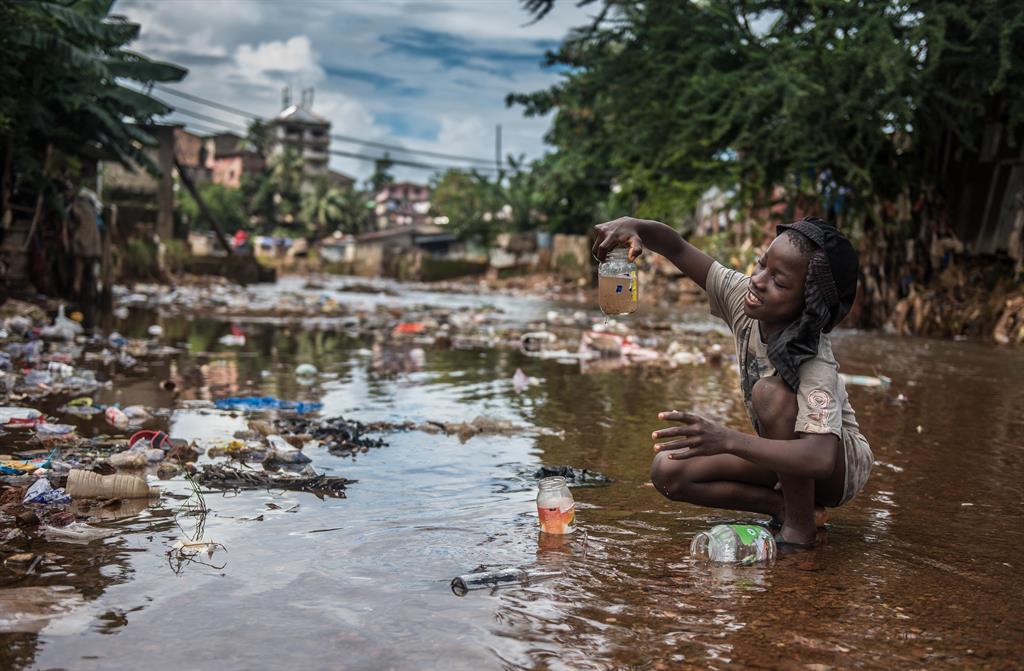
He instructed all education secretaries, school administrators, principals, and head teachers to put preventive measures in place immediately. He noted that cholera spreads easily through contaminated food and water, especially in crowded places like schools. He emphasized the need for greater caution to keep students, teachers, and other staff safe.
"Following the confirmed cholera alert in Maiduguri and nearby communities, all schools must immediately activate their Epidemic Prevention and Control Plans according to the guidelines from the Ministry of Health and the Nigeria Centre for Disease Control (NCDC).
The safety and well-being of our students and staff remain our utmost priority," he said.
Wakilbe also told schools to improve Water, Sanitation and Hygiene (WASH) practices. This includes regular handwashing with soap and clean water, setting up enough handwashing stations, ensuring access to safe drinking water, and stopping the sale or consumption of unpackaged water and food from unapproved vendors in schools.
He added that schools should follow strict food safety standards, carry out daily sanitation exercises, and manage waste and drainage properly to avoid contamination.
The commissioner ordered schools to increase monitoring and quickly report any suspected cholera cases to health authorities.
"Suspected cases must be reported within two hours to the nearest Primary Health Care Centre, the Local Government Disease Surveillance Officer, and the Ministry," he said.
He also encouraged schools to hold emergency sensitization campaigns through assemblies and classroom discussions to teach students about cholera prevention and personal hygiene.



Drop your comment
No comments yet — be the first to drop the gist 👇